


The Plant-Based Nutrient Challenge
Plant-based diets, popular across India, are rich in vitamins, fibre, and protein from sources like dals, legumes, and leafy greens. However, some essential minerals in these foods come in a form that is harder for our bodies to absorb. The most notable
example is iron. Plants provide what is known as non-heme iron. Unlike the heme iron found in animal products, which is readily absorbed, non-heme iron is more sensitive to other food components and is less bioavailable, meaning less of it gets into your system. Many plant foods also contain compounds called phytates and oxalates, found in whole grains, legumes, and even spinach, which can further hinder the absorption of this essential mineral. This makes it crucial for vegetarians and vegans to not only eat iron-rich foods but to also understand how to unlock their full nutritional potential.
Vitamin C: The Absorption Superhero
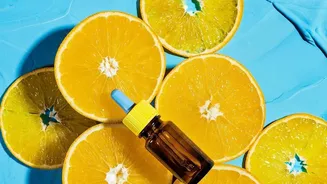
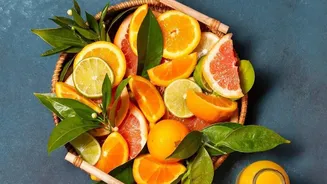
This is where Vitamin C, also known as ascorbic acid, comes to the rescue. It acts as a powerful key that unlocks non-heme iron, making it significantly more available to your body. The science is quite elegant: Vitamin C helps convert the iron from its ferric (Fe³⁺) state into the more soluble ferrous (Fe²⁺) form, which is what our intestines can easily absorb. It also binds with the iron to form a soluble complex, which protects it from the blocking effects of phytates and other inhibitors found in the same meal. So, how effective is this pairing? The results are impressive. Studies have shown that adding Vitamin C to a meal can increase non-heme iron absorption by several times—in some cases, up to six-fold. This means the claim of 'doubling' the absorption is not only possible but can often be exceeded, transforming a good meal into a great one for your health.
Smart Pairings for Your Indian Kitchen
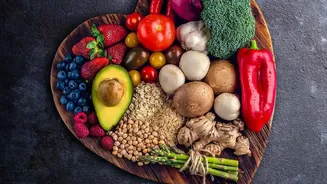
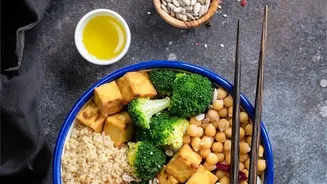
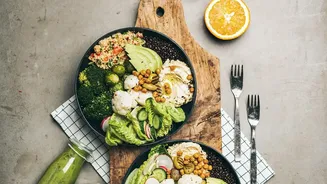
The best part is that you don’t need expensive supplements to achieve this. This powerful nutritional synergy is already a core part of traditional Indian cooking. By being mindful of your food combinations, you can easily enhance your iron intake. Think about squeezing fresh lemon juice over your bowl of dal or lentil soup; the dal provides the iron, and the lemon provides the Vitamin C. Another classic example is pairing spinach with tomatoes. While spinach is loaded with iron, it also contains oxalates that can block absorption. The Vitamin C in tomatoes, however, counteracts this effect, ensuring you get more of the mineral. Other simple and effective pairings include adding bell peppers (capsicum) to a chickpea (chole) curry, having a side of amla pickle with your meal, or serving a fresh kachumber salad made with tomatoes, onions, and a lime dressing alongside your main course.
How Much Vitamin C Is Enough?
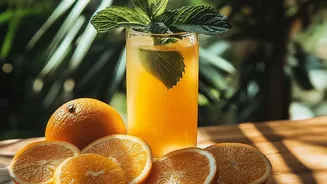
You might be wondering if you need to consume large amounts of Vitamin C for it to work. The good news is that even relatively small quantities can make a significant difference. Research suggests that adding just 25 to 50 milligrams of Vitamin C to a meal—the amount in about half a lemon or a small tomato—can substantially increase iron absorption. The effect is dose-dependent, meaning more Vitamin C generally leads to better absorption up to a certain point. The goal isn't to megadose but to consistently include a source of Vitamin C with your iron-rich plant-based meals. This could be as simple as a garnish of fresh coriander, a few slices of orange in your salad, or cooking vegetables like broccoli and potatoes, which contain both iron and Vitamin C, into your dishes. It's a simple, sustainable habit that pays huge dividends for your health.