



The New Face of Solitude
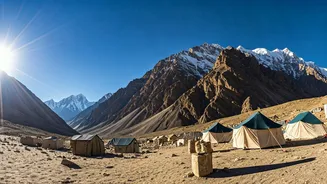
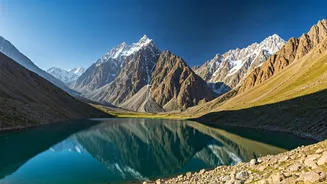
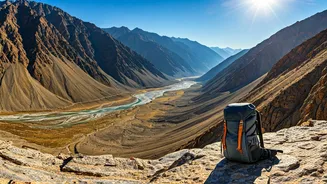
Imagine a campsite near Chandratal, the famed Moon Lake. A few years ago, you might have found a handful of tents scattered across the vast expanse, their occupants a mix of families and biker groups. Today, the scene is different. While groups are still
present, the landscape is dotted with single-person tents, each representing a story of individual adventure. Local campsite owners and tour operators across the Spiti circuit, from Kaza to Tabo, report a distinct and powerful trend: a surge in solo travellers, particularly in the 25-40 age bracket. This isn't just a minor uptick; for many, it represents the most significant demographic shift in the valley's recent tourism history. These travellers are not just passing through; they are staying longer, seeking deeper connections, and transforming the social fabric of Spiti's high-altitude haunts.
Why Solo, and Why Here?
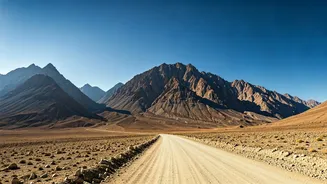
The phenomenon isn't happening in a vacuum. It’s a direct consequence of a post-pandemic recalibration of priorities. After years of lockdowns and restricted movement, there is a palpable yearning for profound, untethered experiences. Solo travel, once seen as a niche or even risky pursuit, is now being embraced as an act of self-discovery and empowerment. And Spiti Valley, with its challenging terrain and ethereal beauty, offers the perfect backdrop. It’s a place that demands resilience. The patchy network coverage forces a digital detox, the high altitude tests physical limits, and the rugged roads require patience. For a generation seeking to disconnect from the mundane and reconnect with themselves, Spiti isn't just a destination; it's a rite of passage. The journey itself—often involving long bus rides or navigating shared taxis—becomes part of the transformative experience.
From Instagram Feeds to Inner Peace
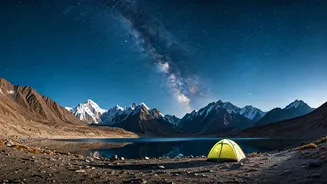
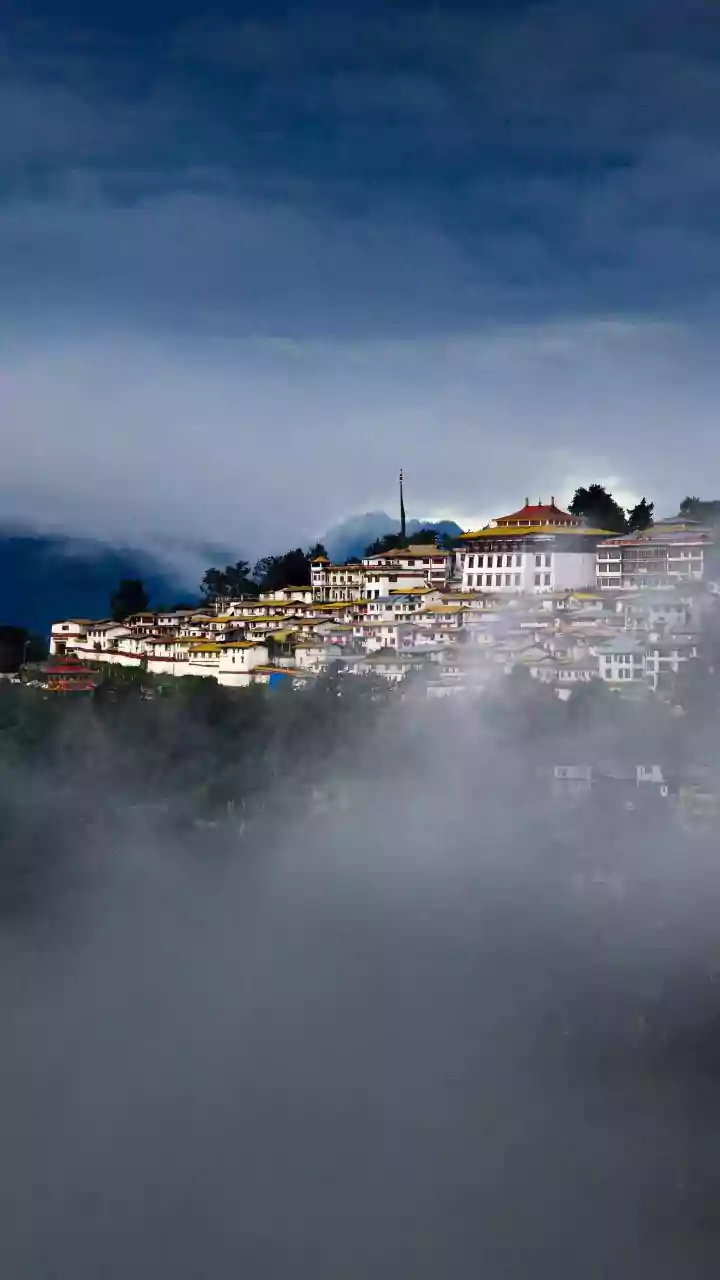
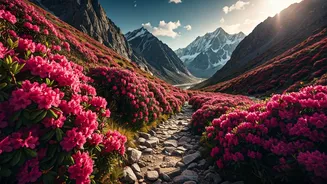
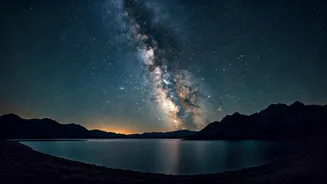
While the dramatic landscapes of Spiti—the iconic Key Monastery clinging to a cliff, the world's highest post office at Hikkim, or the fossil-rich village of Langza—are undeniably 'Instagrammable,' the motivation for many solo travellers runs deeper. Interviews and social media posts from these backpackers reveal a quest for something more authentic. They speak of the quiet moments watching the Spiti River, the kindness of locals in remote villages like Demul, and the profound silence of a night sky unobscured by city lights. Camping, in particular, facilitates this connection. It strips away the comfort of a hotel, placing the traveller directly in the elements. This raw, unfiltered experience is precisely what many are searching for—a stark contrast to their curated, hyper-connected urban lives.
The View from the Ground
For the local economy, this surge is a double-edged sword. On one hand, it brings welcome business to small, family-run campsites, guesthouses, and cafes that have traditionally catered to a smaller volume of tourists. Tenzin, who runs a campsite near Kaza, notes that solo travellers often stay longer and are more interested in local culture than larger, fast-moving tour groups. However, the increased footfall also puts a strain on the valley's fragile ecosystem and limited resources. Water is scarce, waste management is a persistent challenge, and the delicate high-altitude flora is vulnerable. Responsible tourism is no longer just a buzzword here; it's a necessity. Local organisations and conscious operators are increasingly emphasizing 'leave no trace' principles, encouraging travellers to carry their own water bottles and manage their waste responsibly to preserve the very magic that draws them in.
Alone, Together
Perhaps the most interesting paradox of the solo travel boom in Spiti is the community it fosters. While people arrive alone, they rarely stay that way for long. The shared challenges of the journey—a flat tyre on a remote pass, navigating the bus schedule, or simply acclimatising to the altitude—create instant bonds. Common rooms in guesthouses and communal dinner tents at campsites buzz with conversation. Strangers become travel companions, sharing tips, splitting cab fares to remote monasteries, and looking out for one another. This sense of a transient, supportive community offers the best of both worlds: the freedom of travelling on your own terms, combined with the security and camaraderie of a tribe, however temporary.