





The Monsoon and Your Wallet
In India, the link between the monsoon and the economy is direct and profound. Nearly half of the country's workforce is employed in agriculture, and about half of all cultivated land is entirely rain-fed. The Kharif season, where crops like rice, pulses,
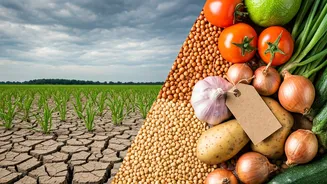
and oilseeds are sown in June and July, depends almost entirely on the timeliness and distribution of monsoon rains. A strong monsoon leads to bumper harvests, keeping food supplies stable and prices in check. Conversely, a weak or erratic monsoon can disrupt sowing, reduce crop yields, and create supply shortages that directly translate to higher prices for essential food items. This year, the stakes are particularly high as food inflation has already been on an upward trend, rising to 4.8% in May.
A Worrying Start to the Season
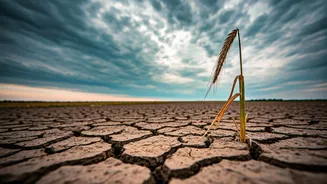
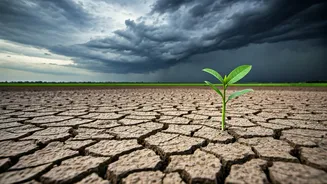
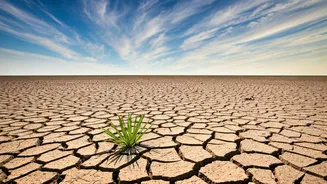
The 2026 monsoon season has had a sluggish and concerning start. As of late June, cumulative rainfall across the country was significantly below normal, with some reports citing a deficit of around 40%. This makes it one of the driest Junes in recent history. The India Meteorological Department (IMD) has officially forecast that rainfall in July, a critical month for crop growth, will also be "below normal". This weakness is being linked to the development of El Niño conditions in the Pacific Ocean, a climate pattern often associated with suppressed monsoon rainfall in India. The result has been a visible impact on farming activity. As of June 25, the total area sown with Kharif crops was down by nearly 23% compared to the same period last year, a significant lag that has authorities concerned.
The Foods on the High-Alert List
The slow progress of the monsoon has put several key food items under pressure. The sowing of pulses, a staple protein source, has seen a major decline, down by over 30% year-on-year. Tur (arhar) dal is of particular concern, with sowing area lagging significantly, which could lead to continued supply tightness and a greater reliance on imports. Rice, the main Kharif cereal, has also seen its acreage fall by about 25%. While the government has ample buffer stocks of rice, a prolonged dry spell could still affect market sentiment. Vegetables are another area of immediate concern. Tomato prices already saw a sharp spike of over 48% in May due to heatwaves, and a poor monsoon could further disrupt the supply of fresh produce, keeping prices volatile. Sowing for oilseeds like soybean and groundnut has also plunged by over 50%, pointing towards potential inflation in cooking oils down the line.
How Policymakers Are Responding
The Reserve Bank of India (RBI) is watching the situation closely. In its June bulletin, the central bank explicitly flagged a weak monsoon as a key risk that could complicate the country's growth and inflation outlook. The RBI has already revised its inflation projection for the financial year upwards to 5.1%. Government ministries are also on alert. The finance ministry has acknowledged that below-normal rainfall poses a risk but has pointed to adequate buffer stocks of key commodities as a cushion against immediate supply shocks. However, the delayed sowing has already prompted discussions about the need for contingency plans and rethinking agricultural policies to encourage the cultivation of more climate-resilient crops.