
A Sweet Steeped in Divine Legend
The story of the Mathura Peda is inseparable from the city's identity as the birthplace of Lord Krishna. The region, known as Braj Bhoomi, has always been a land rich in cattle and dairy, forming the heart of its culinary traditions. Krishna himself,
often called 'Makhan Chor' or the butter thief, is central to countless tales involving milk and butter. This deep-rooted pastoral and dairy culture provided the perfect foundation for a milk-based sweet to become a local specialty. While precise historical origins are difficult to trace, it's widely believed that the peda has been offered as 'prasad'—a blessed religious offering—in Mathura's temples for centuries. This divine association elevated the simple sweet from a local delicacy to a sacred item, intertwined with the millions of pilgrims who visit the city each year.
What Makes a Mathura Peda Unique?
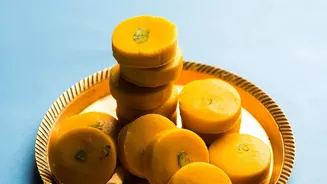
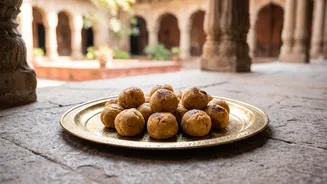
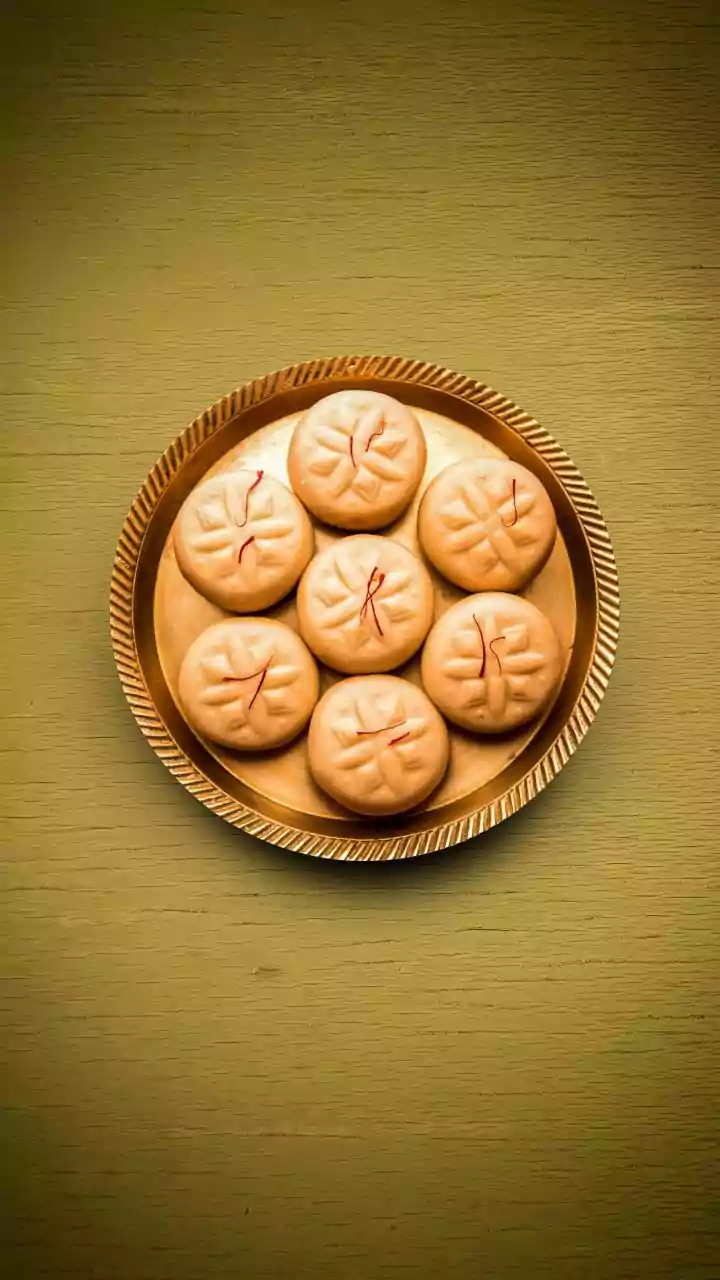
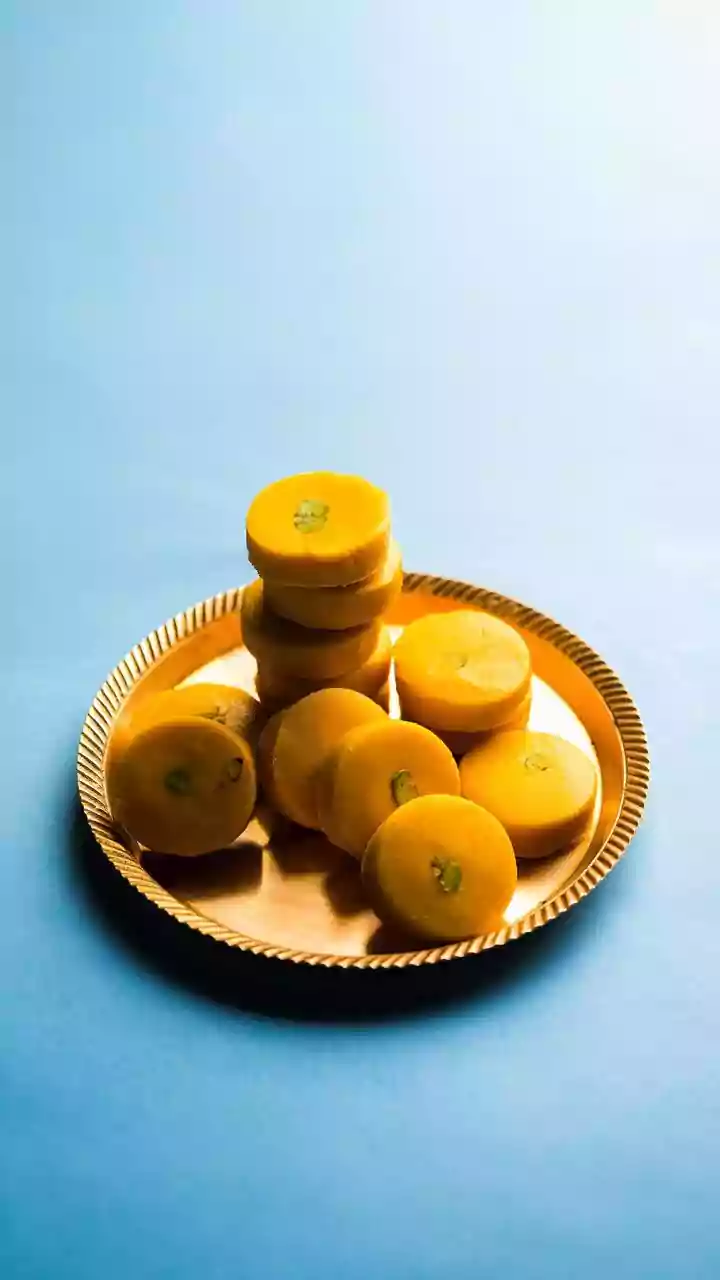
Not all pedas are created equal, and the Mathura Peda stands apart from its paler, softer counterparts found elsewhere in India. Its magic lies in the preparation of khoya, or milk solids. The process is a labour of love, involving slowly simmering fresh milk in a wide pan until it reduces to a thick, crumbly mass. For the Mathura Peda, this khoya is then roasted further, often with ghee, until the milk sugars begin to caramelize. This crucial step gives the peda its signature light brown colour, a slightly grainy texture, and a deep, rich, caramelized flavour. After this, sugar and aromatic spices like cardamom are incorporated, and the mixture is shaped into small, dense rounds that are often rolled in powdered sugar.
From Sacred Offering to a City's Brand
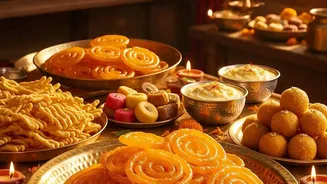
The phrase 'Mathura ke Pede' has become a brand in itself, a fixed term that appears in folk songs and proverbs, signifying the benchmark against which all other pedas are measured. For countless devotees visiting the temples of Mathura and Vrindavan, a trip is incomplete without buying a box of these sweets to take home as prasad for family and friends. This tradition has transformed the peda from a local specialty into a nationally recognized symbol of the Braj region. The sweet is not just for religious occasions; it's a staple for celebrating good news, from festivals like Diwali to weddings and births, making it a ubiquitous part of cultural life.
The Peda Economy and the Quest for Authenticity
The fame of the Mathura Peda has spawned a massive cottage industry, with hundreds of shops, from small heritage counters to large, well-known brands like Brijwasi, dotting the city's streets. This industry provides a livelihood for thousands, from the milk suppliers who deliver fresh cans every morning to the artisans who have perfected the slow-roasting technique over generations. However, its popularity has also led to challenges with adulteration, as the demand often leads to the use of fake or low-quality khoya. In response, there has been a significant push to secure a Geographical Indication (GI) tag for the Mathura Peda. While the application, filed by the Mithai Association Mathura, is still in process, a GI tag would provide legal protection against imitations and certify the sweet's authenticity, ensuring that the legacy of quality is preserved for generations to come.