



An Uncertain September Sky
The narrative for September's weather is complex. Initial fears of a significantly dry month, driven by a strengthening El Niño, have been countered by the latest India Meteorological Department (IMD) forecasts. As of August 31, a low-pressure system
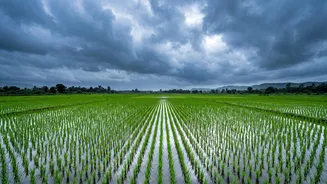
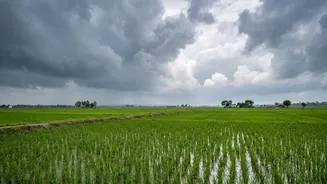
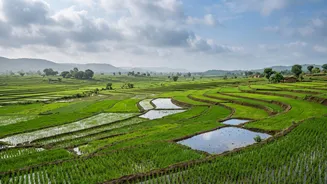
is expected to bring a fresh spell of widespread rain across eastern, central, and parts of northern India through the first week of September. This offers a potential lifeline to standing crops in states like Odisha, Chhattisgarh, and East Madhya Pradesh. However, the forecast also suggests that rainfall over Peninsular India is likely to remain subdued. This split forecast highlights the monsoon's erratic nature this season, where national averages often mask severe regional disparities that directly translate into agricultural fortunes.
Kharif Crops at a Critical Stage
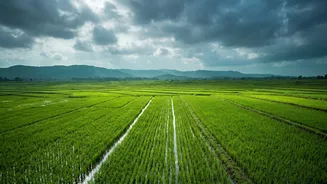
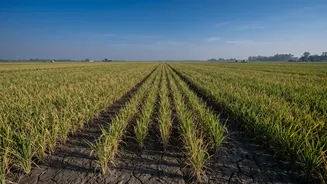
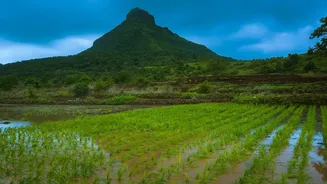
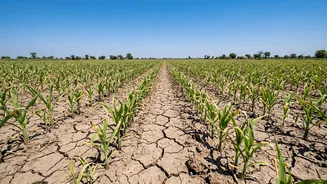
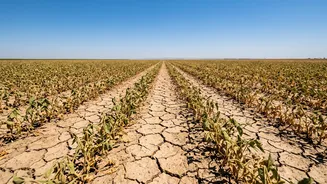
The monsoon's performance through August has already left its mark. While kharif sowing has been resilient, with total acreage only slightly behind last year, the real concern is crop yield. Erratic rainfall, particularly a dry spell in mid-August, has stressed standing crops like rice, pulses, and oilseeds at their crucial grain-filling stage. According to ministry data from late August, the total sown area for all kharif crops was trailing the previous year, with a notable deficit in paddy acreage. For many farmers, especially in rain-fed areas, the rains in early September could be the difference between a salvageable harvest and significant losses. Even in irrigated areas, a lack of consistent rain increases reliance on groundwater, raising input costs for farmers.
The Alarming Reservoir Deficit
Perhaps the most significant challenge looming over Indian agriculture is the state of its water reservoirs. As of late August 2026, the water storage in India's major reservoirs was alarmingly low, down by over 18% compared to the same period last year, with the deficit widening in the final weeks of the month. This problem is particularly acute in the southern and northern regions, which are reporting storage levels significantly below both last year's figures and the ten-year average. These reservoirs are the backbone of the winter crop season. Their depleted levels pose a direct threat to irrigation for the upcoming rabi sowing, which includes critical crops like wheat, mustard, and chana.
Rabi Sowing Under a Cloud
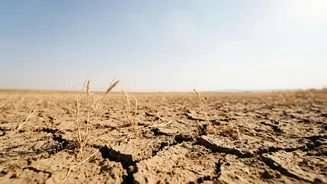
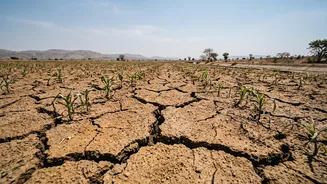
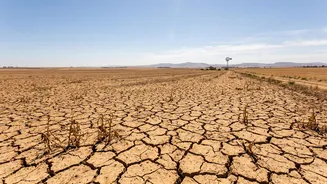
The success of the rabi season is heavily dependent on the conditions left behind by the southwest monsoon. September rains are vital for recharging soil moisture, which is essential for the timely germination of winter crops planted in October and November. With reservoir levels already a concern, insufficient late-monsoon rain could force farmers to delay sowing or switch to less water-intensive crops. A bountiful monsoon that fills reservoirs provides a crucial cushion for rabi cultivation, as seen in previous years where good water availability supported record sowing. Conversely, analysts are already flagging the current low water levels as a primary concern for the next wheat crop, underscoring how this year's monsoon deficit could have a cascading effect on food production well into 2027.
The Ripple Effect on Farm and Family
The term "farm stress" encapsulates a range of economic and personal hardships. Lower yields from a weak monsoon directly reduce farmer incomes, making it harder to repay loans taken for seeds and fertilisers. This financial pressure can lead to a cycle of indebtedness, a primary driver of rural distress. For the wider population, agricultural performance has a direct bearing on food prices. While the full impact of a poor harvest on inflation is often delayed, appearing months later, the combination of a potential shortfall in kharif output and a threatened rabi season creates uncertainty in food supply chains. This can contribute to food inflation, affecting household budgets across the country.