

Choosing Your Pot and Soil
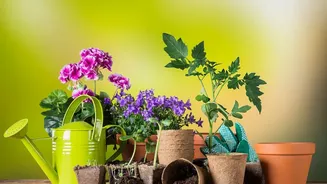
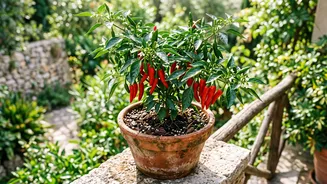
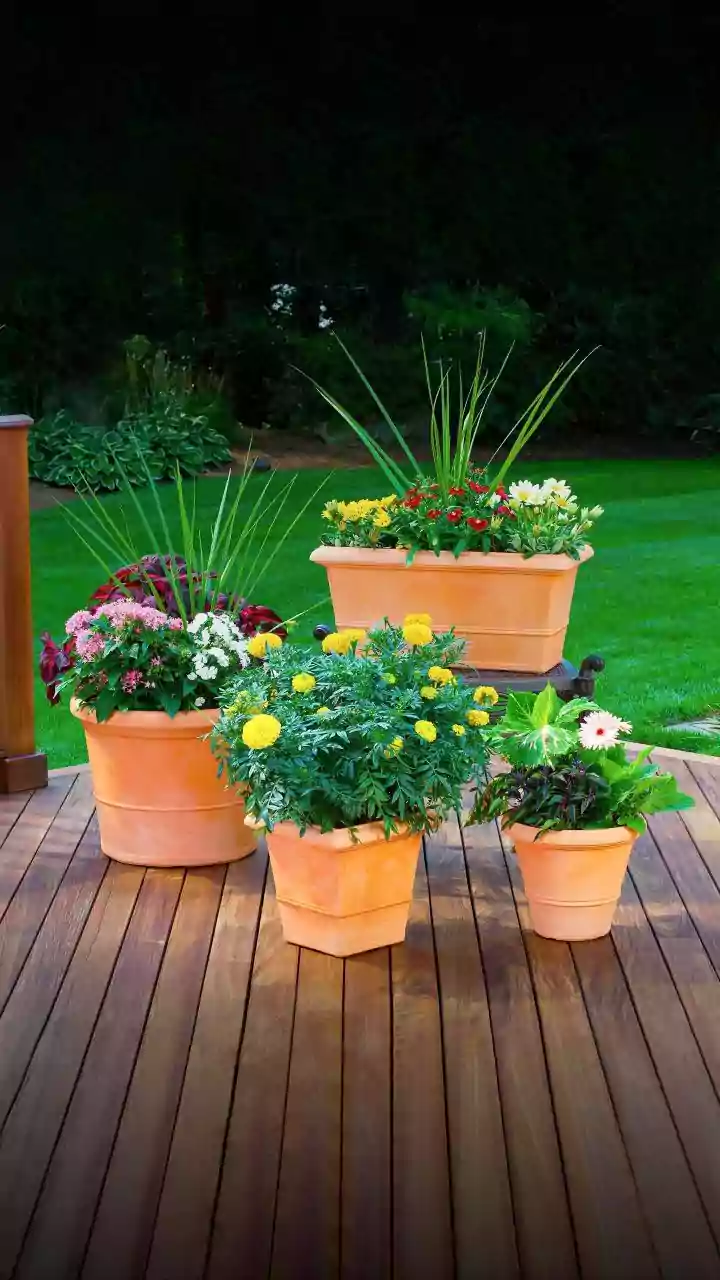
Your chilli plant's success begins with its home. Select a pot that is at least 12 inches deep to give the roots ample space to grow. Crucially, ensure the pot has drainage holes at the bottom. Chillies despise 'wet feet', and waterlogged soil can lead
to root rot. A high-quality, well-draining potting mix is essential. You can create an ideal environment by mixing standard peat-free compost with perlite, which helps improve drainage and aeration, preventing the soil from becoming compacted. Avoid using heavy garden soil, which is too dense for containers.
Sunlight and Watering Needs
Thai chilli plants are sun-lovers, a nod to their tropical origins. They require at least six to eight hours of direct sunlight each day to thrive and produce a healthy crop of fruit. If you're growing your plant on a balcony or patio, choose the sunniest spot you have. Watering is a balancing act. The goal is to keep the soil consistently moist but never soggy. A good rule of thumb is to water deeply whenever the top inch of the soil feels dry to the touch. Overwatering can stress the plant, so it's always better to check the soil first.
Feeding and Basic Care
To encourage strong growth and abundant fruit, your chilli plant will need regular feeding. During the growing season, apply a balanced, all-purpose fertiliser every few weeks. Once the plant begins to flower and set fruit, you can switch to a fertiliser that is higher in potassium to support fruit development. Keep an eye out for common pests like aphids. If you spot any, they can often be managed with organic solutions like a neem oil spray. Good air circulation around the plant also helps in preventing fungal issues.
Signs of a Ripe Chilli
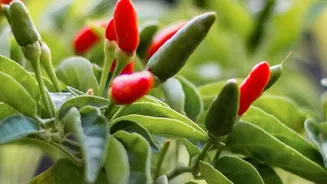
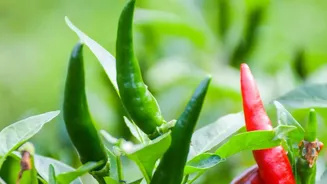
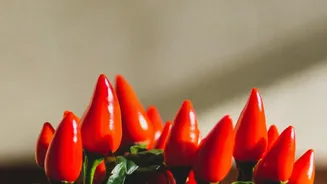
Knowing when to harvest is key to getting the best flavour and heat. While you can pick Thai chillies when they are green for a milder, sharper taste, their full, fiery potential is realised when they mature. The most obvious sign of ripeness is colour. Most Thai chillies will turn from green to a vibrant, glossy red. A ripe chilli will also feel firm to the touch, not soft or wrinkled. It should feel full and have stopped increasing in size. Patience is important; the transformation from green to red can take several days or even weeks, depending on the amount of sun and heat the plant receives.
The Perfect Harvesting Technique
When your chillies are ripe and ready, it's time for the most satisfying step. It is best to use a pair of clean scissors or small pruning snips to cut the chillies from the plant. Simply pulling them off by hand can damage the delicate branches and harm the overall plant. Cut the small stem that connects the chilli to the branch, leaving a small piece of the stem attached to the fruit. Regular harvesting is beneficial as it signals the plant to produce more flowers and, consequently, more chillies, leading to a more extended and productive season.
Encouraging a Second Harvest
A Thai chilli plant is a perennial, meaning it can live and produce fruit for several years with the right care. After a major harvest cycle, you can encourage new growth through pruning. Trimming back some of the branches, especially any that are weak or no longer producing, can stimulate the plant to grow bushier and stronger. This helps improve air circulation and directs the plant's energy towards producing a fresh flush of leaves, flowers, and another round of delicious chillies for you to enjoy.