



The Overlooked Powerhouse
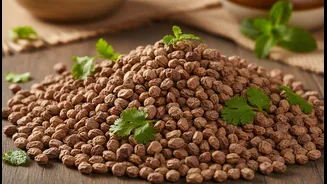
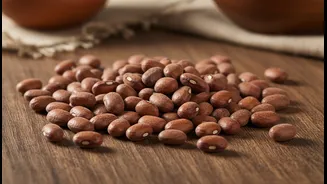
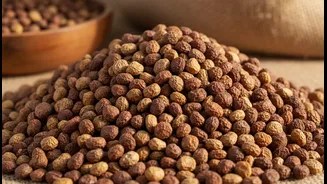
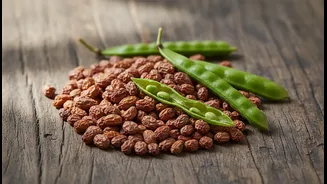
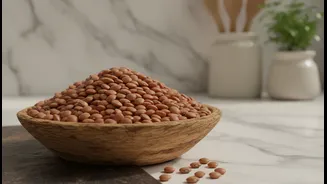
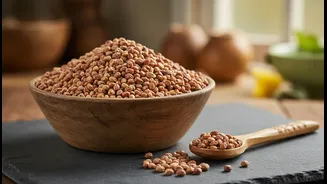
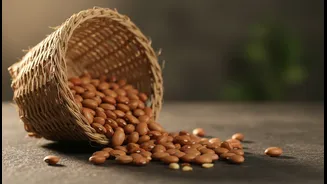
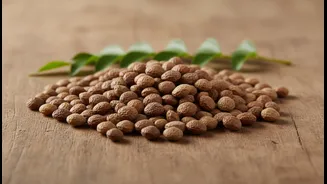
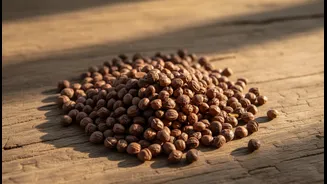
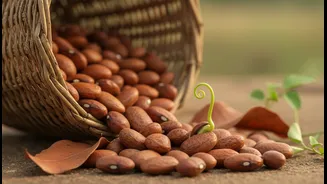
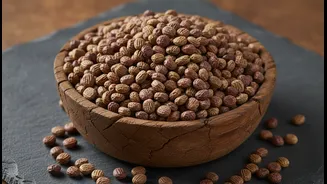
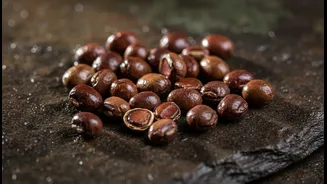
Known as kulthi or gahat in different parts of India, horse gram (Macrotyloma uniflorum) is a small, reddish-brown legume that has been part of the subcontinent's diet for millennia, with archaeological evidence tracing its use back to 2500 BC. Despite
its long history, it has often been overlooked in favour of more mainstream pulses like toor and moong dal. Traditionally valued as a resilient crop and even used as nutritious feed for cattle and horses—hence its English name—it has remained a staple primarily in rural and semi-arid regions. Today, this underutilised pulse is being rediscovered for the very qualities that made it a quiet survivor: its robust nature and dense nutrition.
A Nutritional Heavyweight
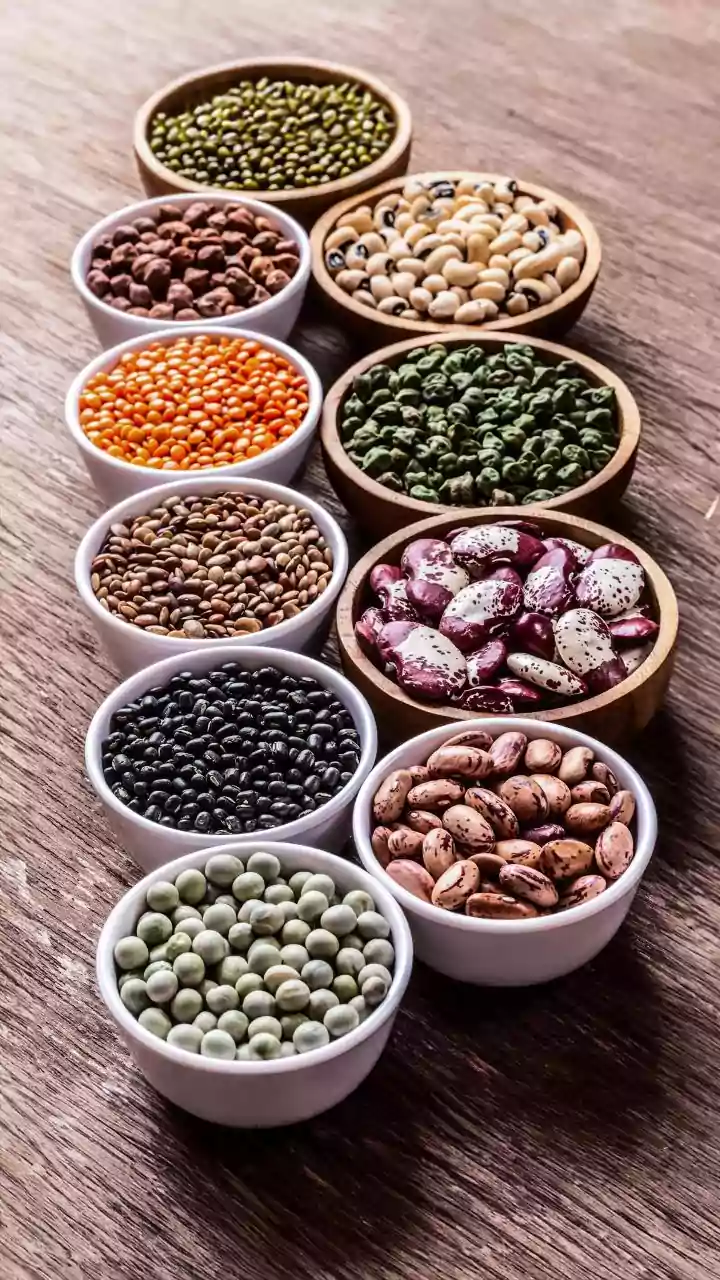
Don't let its small size fool you; horse gram is packed with nutrients. It is an excellent source of plant-based protein, with content ranging from 18% to 25%, making it a fantastic alternative for vegetarians and those looking to build muscle. Beyond protein, it is rich in both soluble and insoluble dietary fibre, which aids digestion and promotes a feeling of fullness, making it a valuable addition to weight management diets. It is also loaded with essential minerals, including some of the highest calcium content among pulses, along with significant amounts of iron and phosphorus. This impressive profile makes it more than just a simple dal; it’s a functional food that delivers energy and supports overall wellness.
Rooted in Regional Kitchens
Horse gram has a distinct, earthy flavour that lends itself to a variety of hearty dishes. In the hills of Uttarakhand, it is used to make gahat ki dal or a warming soup perfect for cold winters. In South India, particularly in Tamil Nadu, Karnataka, and Andhra Pradesh, it features in preparations like kollu rasam (a peppery soup), kollu chutney, and ulavacharu, a celebrated soup-like dish. These traditional recipes showcase the pulse's versatility. However, due to its tough texture, horse gram requires longer soaking and cooking times compared to other lentils, a factor that may have contributed to its decline in fast-paced modern kitchens. Yet, with a pressure cooker, preparing this pulse is straightforward.
A Crop for a Changing Climate
Perhaps horse gram's most vital quality is its incredible resilience. It is an exceptionally drought-tolerant crop, capable of thriving in poor soils and low-rainfall areas where other crops might fail. It can grow with as little as 300 mm of annual rainfall and can handle high temperatures, making it a climate-resilient choice for farmers facing unpredictable weather patterns. This toughness means it requires fewer inputs like fertilisers and pesticides, making it a more sustainable and cost-effective option for small-scale farmers. Its ability to grow on marginal lands without extensive irrigation is a game-changer for ensuring food security in dry regions.
The Blueprint for Future Foods
The story of horse gram is not just about one pulse; it's a blueprint for the future of affordable and sustainable eating. Its revival is part of a larger movement towards rediscovering indigenous crops that were sidelined during the Green Revolution, which prioritized high-yield varieties of rice and wheat. This trend includes other climate-smart powerhouses like millets (ragi, jowar, bajra) and amaranth (rajgira). These traditional grains and pulses are perfectly adapted to local conditions, offer diverse nutritional benefits, and support agricultural biodiversity. By bringing these forgotten foods back to our plates, we can create a more resilient, varied, and nutritious food system that is less dependent on a handful of water-intensive crops.