





Prioritise Modular and Sectional Designs
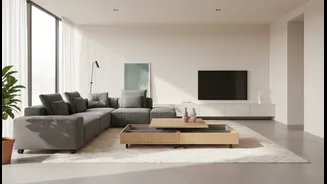
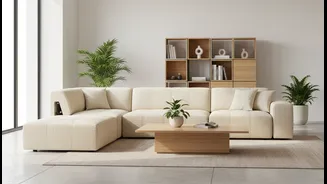
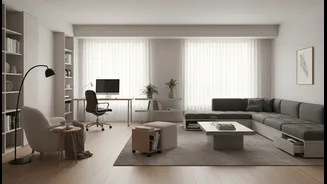
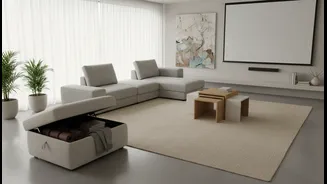
The biggest challenge with moving furniture is often its size and shape. A large sofa that fit perfectly in your last living room might not make it through the narrow doorway of your new flat. This is where modular design is a game-changer. Modular sofas,
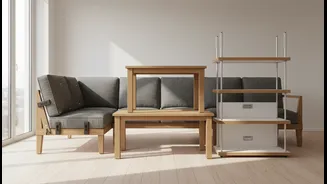
shelves, and storage units are designed to be broken down into smaller, more manageable pieces. This not only makes them easier to carry but also offers flexibility. A three-seater sectional can be reconfigured into a two-seater and an armchair to suit a new layout. Look for pieces with simple, tool-free assembly, which makes the process of taking them apart and putting them back together far less of a headache.
Choose Lightweight and Durable Materials
The material of your furniture determines its weight and its resilience. Heavy, solid wood can be beautiful, but it’s punishing to move. Particleboard, on the other hand, is light but notoriously prone to damage during a move, especially at the joints and corners. Instead, look for a smart balance. Woods like pine, poplar, and bamboo offer a lighter profile than dense hardwoods like oak. Metals such as aluminum are exceptionally lightweight and strong, making them great for table legs and chair frames. Other durable and light options include plywood, fiberglass, and even high-quality plastics like polypropylene for items like dining chairs.
Embrace Multi-Functionality
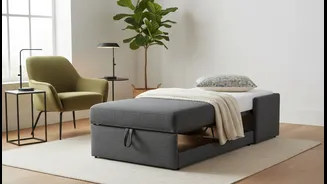
In a small home, every piece of furniture should earn its keep. Multi-functional furniture means you have fewer items to move, and your space works harder for you. An expandable or drop-leaf dining table can accommodate guests without permanently taking up valuable floor space. A sleeper sofa or a comfortable futon provides seating and a guest bed in one. Storage beds with built-in drawers eliminate the need for a separate dresser, freeing up both space and moving day effort. By choosing pieces that serve two or more purposes, you streamline your home and your life.
Inspect the Construction and Joints
Furniture designed for longevity is built differently from its disposable counterparts. When choosing pieces you intend to move, pay close attention to how they are put together. Furniture held together with screws and bolts is far superior to items that rely on glue and staples. Screws allow for disassembly and reassembly without compromising the structural integrity of the piece. Check the joints to ensure they are solid. Traditional flat-pack furniture often uses cam lock systems that can strip or damage the surrounding particleboard when taken apart. Investing in furniture with robust, metal-on-metal connectors or classic joinery will pay dividends over several moves.
Don’t Underestimate Flat-Pack, But Choose Wisely
The term "flat-pack" often brings to mind cheap, wobbly bookcases that don't survive their first move. While many low-end options are designed to be assembled only once, a new generation of high-quality, flat-pack furniture is designed specifically for a life in motion. These pieces often feature superior materials and clever, tool-free assembly mechanisms that are built to be used repeatedly. The key is to look beyond the price tag and investigate the brand's philosophy. Is it designed for a single use, or is it made for a flexible, modern lifestyle? A well-designed flat-pack piece will be sturdy, simple to break down, and easy to transport.
Plan for the Move Itself
Even the most move-friendly furniture needs to be handled with care. Before you even start lifting, empty all drawers and shelves. When disassembling items, keep all screws, bolts, and small hardware in clearly labelled bags and tape them securely to the corresponding furniture part. Take photos during the disassembly process to create a visual guide for reassembly later. For protecting surfaces and corners, moving blankets and foam pipe insulation are your best friends. And for heavy items, furniture sliders—small pads placed under the legs—can help you glide pieces across the floor with minimal effort, saving both your back and your flooring.