




The Great Festival Scramble
Raksha Bandhan is one of India’s most beloved festivals, celebrating the bond between siblings. This emotional connection fuels a massive, short-term migration as people travel across the country to be with their families. For Indian Railways, this translates
into an overwhelming demand spike. Popular routes see tickets for regular services getting waitlisted months in advance, creating a stressful situation for those trying to make last-minute plans.
Decoding the Waitlist Maze
Not all waitlists are created equal. Understanding the type of waitlist your ticket has is crucial to predicting your chances. The most common is the General Waitlist (GNWL), issued for tickets from the train's originating station; it has the highest probability of confirmation. The Remote Location Waitlist (RLWL) is for intermediate stations and confirms only when someone cancels on that specific leg of the journey, making it less certain. The Pooled Quota Waitlist (PQWL) is shared between several smaller stations and generally has the lowest chance of confirmation. Finally, the Tatkal Quota Waitlist (TQWL) is for last-minute Tatkal bookings and has its own separate confirmation priority.
Your PNR's Confirmation Probability
Your PNR (Passenger Name Record) is more than just a booking reference; it's a key to understanding your travel probability. Many railway apps and websites now offer a 'PNR Confirmation Probability' feature. This tool uses data analytics, looking at historical booking and cancellation trends for that specific train, route, and season to predict your confirmation chances as a percentage. A high percentage (often shown in green) means you have a strong chance, while a low one (often in red) suggests you should start thinking about a backup plan.
The Lifelines: Special Trains and Tatkal
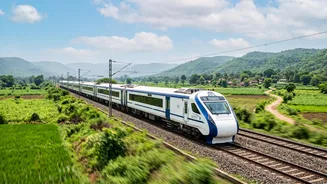
To manage the festive surge, Indian Railways announces special train services on high-demand routes. For Raksha Bandhan 2026, dozens of such services have been announced, connecting major hubs like Delhi, Bhopal, Jabalpur, and Kota. These trains are a great option, but you need to act fast as their schedules are released closer to the festival dates. Keep a close watch on the IRCTC website and the NTES app for announcements. For truly last-minute travel, the Tatkal scheme offers a window of opportunity. Bookings open one day before the journey, at 10 AM for AC classes and 11 AM for non-AC classes. Success requires speed, so it helps to save passenger details in a master list on the IRCTC app beforehand.
The Waiting Game: When to Cancel
If your PNR status is still fully waitlisted when the final train chart is prepared (usually about four hours before departure), your e-ticket will be automatically cancelled. The fare will be refunded to your account after a small clerkage fee is deducted. You cannot legally board the reserved coach with a waitlisted e-ticket that has been cancelled. However, if you have a ticket with multiple passengers and at least one person's seat is confirmed or RAC (Reservation Against Cancellation), the e-ticket is not automatically cancelled, and the waitlisted passengers are technically not permitted to board the reserved coach.
Plan B: Your Alternative Travel Options
If a confirmed train ticket seems out of reach, don't lose hope. The festive rush also sees an increase in other transport services. State and private bus operators often run extra services on popular routes to cater to the demand. While more expensive, flights can be a time-saving option, especially if booked with some flexibility. Carpooling services or booking an outstation cab with friends or family travelling on the same route can also be a viable, comfortable alternative to crowded public transport.