


The New Corner Office: A Himalayan View
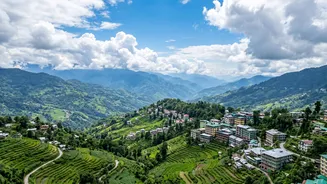
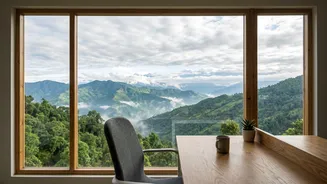
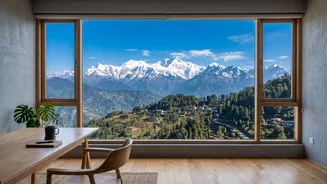
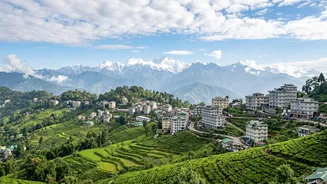
The 'work from mountains' trend has found a perfect home in Gangtok, where the promise of a better work-life balance is delivered with breathtaking views of the Kanchenjunga. For tech workers accustomed to the concrete jungles of Bengaluru or Hyderabad,
the appeal is immediate: swapping traffic noise for the tranquility of nature. This shift is more than a fleeting hashtag; it's a lifestyle choice. Professionals are escaping urban chaos for the clean air, peaceful environment, and creative inspiration that mountain life offers, which studies suggest can lower stress and boost cognitive performance. The slower pace of life in the Himalayas provides a welcome antidote to city-induced burnout, allowing for deeper focus and enhanced productivity.
Connectivity in the Clouds
The primary concern for any remote tech worker is the internet, and this is where Gangtok has proven to be a reliable destination. The city boasts stable 4G connectivity from major providers like Airtel and Jio, and a growing number of establishments offer high-speed broadband. Unlike many other hill stations where connectivity can be a gamble, Gangtok's infrastructure has been bolstered to support the needs of digital professionals. Co-living spaces, hostels, and work-friendly hotels understand that their clientele depends on seamless connections for coding, client calls, and content creation, often providing not just fast Wi-Fi but also essential power backups to ensure uninterrupted workdays.
Co-Living: Community Meets Convenience
Co-living is more than just a shared house; it's a lifestyle built around community, convenience, and cost-effectiveness. For tech workers moving to a new city, these hubs eliminate the friction of setting up a home. Most co-living spaces offer fully furnished rooms, utilities, housekeeping, and sometimes even meals, all bundled into a single monthly payment. This model is particularly attractive to young professionals and digital nomads who value flexibility and social interaction. Instead of the isolation that can sometimes accompany remote work, co-living fosters a built-in community for networking, collaboration, and friendship, which can be a powerful antidote to loneliness.
Affordability and a Richer Life
One of the most compelling reasons for the migration is financial. The cost of living in Gangtok is significantly lower than in India's major tech hubs. Accommodation, food, and transportation are more affordable, allowing professionals to save money while enjoying a higher quality of life. A private room in a PG or co-living setup can be a fraction of the cost of a city apartment, without compromising on essential amenities like Wi-Fi and security. This financial freedom, combined with easy access to trekking, unique cultural experiences, and local cuisine, offers a more holistic and enriching lifestyle than what a metropolitan city can typically provide.
A Supportive Local Ecosystem
The government of Sikkim has actively encouraged this trend, recognizing the potential of remote work to boost the local economy sustainably. The "Nomad Sikkim" initiative, which saw the development of Yakten as India's first dedicated digital nomad village, is a clear signal of this support. This project focuses on equipping rural homestays with high-speed internet and work-friendly infrastructure to attract long-stay professionals. The goal is to create year-round tourism, providing stable income for local families and fostering cultural exchange. This forward-thinking approach, which may soon include an AI-based online permit system for easier travel, ensures that Sikkim is not just a beautiful place to visit, but a practical and welcoming place to live and work.