



The Psychology of Calm
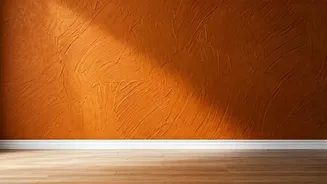
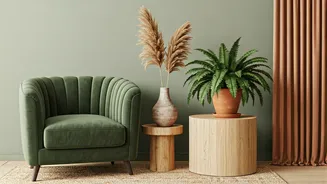
The secret begins with colour. Earthy palettes—think terracotta, beige, soft greens, and warm browns—are more than just a trend; they are a psychological cue. These colours are inherently grounding. They subconsciously connect us to the natural world,
triggering a sense of stability and calm that is often missing from our hectic urban lives. In a world saturated with digital screens and constant notifications, a room painted in a soft, earthy hue offers a visual respite. It lowers the sensory volume, allowing our minds to relax and recharge. This feeling of mental quietude, of being able to de-stress just by being in a room, is a luxury that money alone can't always buy.
A Direct Link to Nature
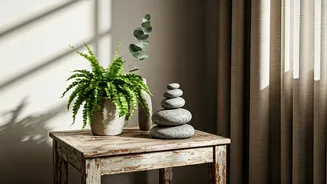
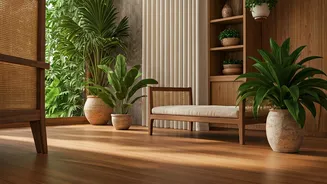
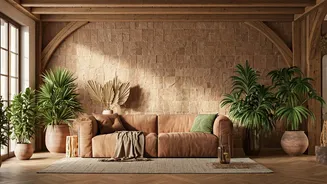
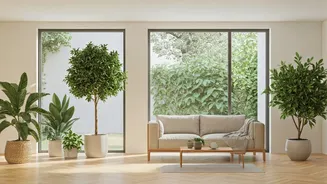
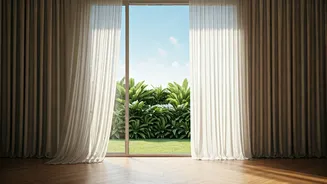
This trend is part of a larger movement in design known as 'biophilia'—the idea that humans have an innate need to connect with nature. An earthy home brings this principle to life. It’s not just about placing a few potted plants around. It’s about incorporating natural light, using materials that come from the earth, and creating views of greenery wherever possible. Large windows, skylights, and indoor courtyards are hallmarks of this style. When your home is filled with living things, natural light, and organic textures, it doesn’t feel like a sterile box; it feels like a living, breathing sanctuary. This constant, subtle connection to the outdoors boosts well-being and reduces stress, making your home feel like a personal retreat.
The Beauty of Imperfection
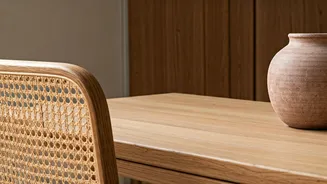
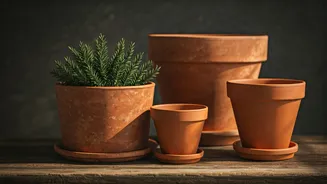
Traditional luxury often chases perfection: flawless surfaces, machine-like precision, and uniform finishes. The new, earthy luxury embraces the opposite: the beauty of imperfection. This is often linked to the Japanese philosophy of wabi-sabi, which finds beauty in things that are imperfect, impermanent, and incomplete. Think of a handcrafted ceramic vase with slight irregularities, a piece of reclaimed wood with its own unique grain and history, or a handwoven jute rug. These items tell a story. They have character and soul, something that mass-produced items lack. This authenticity feels more exclusive and personal than a home filled with generic, factory-perfect decor. It signals a move away from consumerism and towards curated, meaningful possessions.
A Feast for the Senses
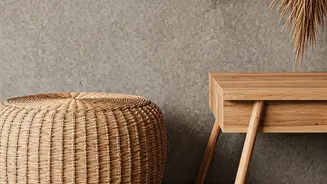
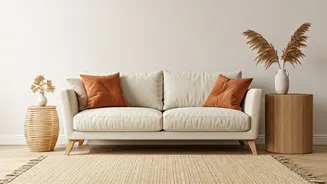
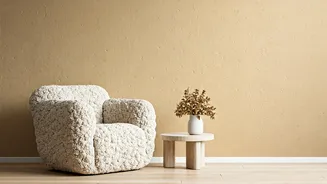
Earthy homes are a tactile experience. Luxury is no longer just about what you see, but what you feel. Walk barefoot on a cool stone floor, run your hand over a rough-hewn wooden table, or sink into a sofa upholstered in natural linen. These textures engage our senses in a way that smooth, synthetic surfaces cannot. The interplay of different textures—smooth and rough, soft and hard—adds depth and interest to a space. It makes a home feel layered, considered, and rich. This sensory engagement makes the experience of being in the home more immersive and, therefore, more luxurious.
Sustainability as a Status Symbol
In today’s world, being conscious is the ultimate luxury. Opting for natural, sustainable, and locally sourced materials like wood, bamboo, cotton, and clay is not just an aesthetic choice; it’s a statement of values. It shows a commitment to the environment and to mindful consumption. A home built with sustainable principles and filled with ethically made goods feels more wholesome and sophisticated. This thoughtful approach to building and decorating has become a new status symbol, one that prioritises planetary health and personal well-being over fleeting trends and ostentatious displays of wealth. It’s a luxury that feels good, both personally and ethically.