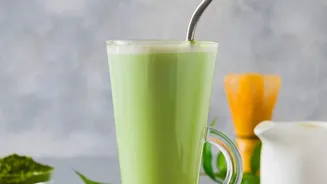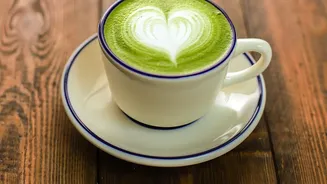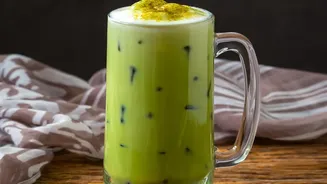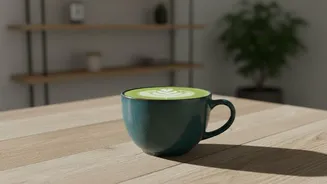



What Is This Green Drink Anyway?
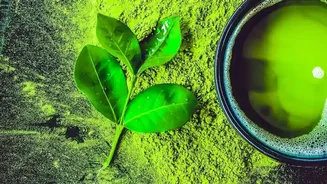
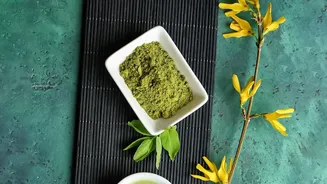
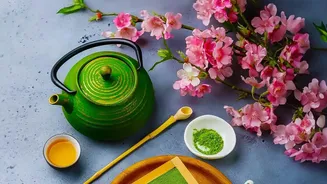
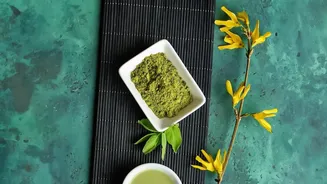
Before it was an Instagram star, matcha was a cornerstone of Japanese tea ceremonies for centuries. Unlike regular green tea where you steep the leaves and toss them, with matcha you consume the entire leaf, which has been stone-ground into a fine, brilliant
green powder. This means you get a more potent dose of antioxidants, vitamins, and a unique amino acid called L-theanine, which is credited with providing a state of 'calm alertness'—energy without the coffee jitters. Its flavour is complex: a blend of grassy, savoury (umami), and slightly sweet notes that is a world away from the bitter taste many expect.
The Garden City Goes Green
So, why Bengaluru? India’s Silicon Valley is a melting pot of global cultures, home to a young, well-travelled, and health-conscious population. This demographic is open to international trends and has a disposable income to explore new lifestyle choices. The city's established 'third wave' coffee culture has already paved the way for consumers to appreciate artisanal beverages and pay a premium for quality. Matcha fits perfectly into this existing framework, appealing to both the wellness community and those seeking new, aesthetically pleasing experiences. Its vibrant colour makes for great social media content, turning every cup into a statement.
Inside The Matcha Hotspots
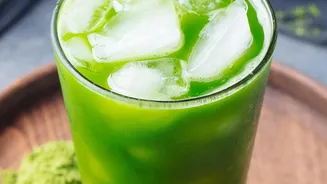
Bengaluru is now home to a growing number of dedicated matcha bars and cafés. Places like Sakura Matcha Bar, one of the city's first fully dedicated matcha spots, offer an extensive menu from traditional brews to lattes with flavours like lavender and strawberry. In the trendy Indiranagar neighbourhood, which some are calling the city's 'matcha belt', you'll find spots like TEKA, founded to bring Japanese tea culture to India, complete with tatami-style rooms and workshops. Minimalist, matcha-forward cafés such as Ela Matcha and Turtle Matcha also draw crowds, focusing on high-quality ceremonial-grade matcha and an unhurried, intentional drinking experience. These cafés aren't just selling a drink; they're cultivating a serene, modern alternative to the bustling coffee shop.
A Cultural Shift or a Passing Fad?
While chai remains the undisputed king of Indian beverages, matcha isn't trying to replace it. Instead, it's carving out its own niche. For many, it represents a modern form of indulgence that aligns with a wellness-oriented lifestyle. The Indian matcha market is growing at a remarkable pace, nearly double that of the broader tea market, driven by urban millennials and Gen Z. While the high price point, due to laborious production and import costs, keeps it a premium product, its rising popularity in cafés is undeniable. Experts suggest this is more than just a fleeting trend, seeing it as part of a larger, long-term shift towards healthier and more globally-influenced consumption habits in urban India.