





The Sunshine Vitamin Paradox
It’s one of modern India’s most curious health puzzles: in a country with abundant year-round sunlight, why are so many people lacking the ‘sunshine vitamin’? Studies show that a staggering 70-100% of the Indian population may have insufficient levels
of Vitamin D. This deficiency is linked to an increased risk of bone-related ailments like rickets in children and osteoporosis in adults, as well as other health issues. The reasons are complex and rooted in modern life. Urban lifestyles mean more time spent indoors during peak sunlight hours (10 a.m. to 3 p.m.). Furthermore, darker skin tones, which have more melanin, require longer sun exposure to produce the same amount of Vitamin D as lighter skin tones. Air pollution can also block the UVB rays necessary for vitamin synthesis. Consequently, relying on the sun alone is no longer enough for a large part of the population.
Natural Foods: A Limited Menu
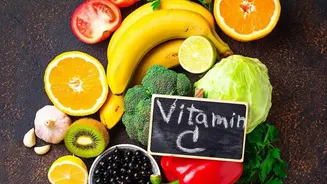
The next logical step is to look at diet. However, natural food sources of Vitamin D are surprisingly scarce, especially in typical Indian vegetarian diets. The best sources are fatty fish like salmon, mackerel, and hilsa (ilish). Egg yolks and certain mushrooms exposed to UV light also contain some Vitamin D. For a largely vegetarian population, these options are limited. While some may consume eggs, fish is not a daily staple for most. Common vegetarian foods like vegetables, fruits, lentils, and whole grains contain practically no Vitamin D. This dietary gap is a major contributor to the widespread deficiency, making it clear that a more proactive strategy is needed.
Enter Fortification: A Public Health Solution
This is where food fortification comes in. Fortification is the process of deliberately adding essential micronutrients, like vitamins and minerals, to staple foods to improve their nutritional content. It’s a scientifically proven and cost-effective strategy to address deficiencies at a population level without requiring people to change their eating habits. In India, the Food Safety and Standards Authority of India (FSSAI) regulates this process. The FSSAI has established standards for fortifying common staples such as milk, edible oil, rice, wheat flour, and salt with nutrients like Vitamin A, Vitamin D, iron, and folic acid.
Your Guide to Fortified Foods
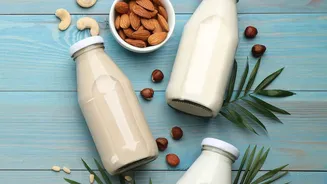
Finding fortified foods on your grocery run is easier than you think. Many everyday items are now available in fortified versions. The most common sources for Vitamin D fortification in India are edible oil and milk. Major brands of cooking oil and milk—both dairy and plant-based alternatives like soy milk—are fortified with Vitamins A and D. Some breakfast cereals and juices are also fortified. According to FSSAI standards, fortified milk should contain between 200-300 IU of Vitamin D per litre, while fortified oil contains a specified amount per kilogram. These additions can significantly contribute to the recommended daily allowance (RDA) for adults, which is 600 IU (International Units).
Decoding the Nutrition Label
The key to unlocking these benefits lies in knowing how to read the food label. The FSSAI has made it simple to identify fortified products with the ‘+F’ logo—a blue circle with a plus sign and the letter 'F' inside. This logo is a quick visual cue that the food has been fortified as per FSSAI standards. Beyond the logo, turn the package over to the nutritional information panel. This table lists the amount of each nutrient, including Vitamin D, per 100g or per serving. Look for 'Vitamin D' in the list and check the amount, which is often given in micrograms (mcg or μg) or International Units (IU). This allows you to make an informed choice and understand exactly how much you are getting from your food.