


From Show Home to Real Home
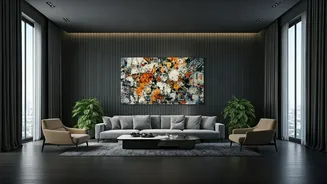
There's a palpable shift happening in Indian interior design. The era of rigid minimalism and homes staged like magazine spreads is giving way to a style that’s personal, warm, and deeply comfortable. It’s called the 'lived-in' look, and it’s less of an aesthetic
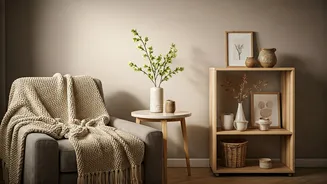
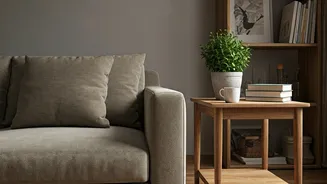
and more of a philosophy. It champions personality over perfection, celebrating spaces that tell a story. Think less about flawless surfaces and more about a cosy nook with a pile of books, a favourite armchair draped with a handwoven throw, or a wall filled with a mix of family photos and collected art. This is a direct reaction against the anonymous, algorithm-driven 'Instagram home' where spaces look beautiful but feel impersonal. The lived-in home is a space that evolves with its inhabitants, embracing the beautiful imperfections of daily life.
The Search for Comfort and Authenticity
The roots of this trend run deep, tapping into a collective desire for security and sanctuary. The pandemic played a significant role, transforming our homes into offices, schools, and gyms overnight. This intense domesticity made us crave environments that were nurturing, not just nice to look at. Hard, glossy surfaces began to feel cold, and the focus shifted to tactile comfort and emotional well-being. This shift aligns with global movements like the Danish concept of 'hygge' (coziness) but finds a unique expression in India. It's about creating spaces that feel grounded and authentic, where luxury is defined not by brand names but by personal comfort and craftsmanship. Homeowners are now spending more to create personalized spaces, signaling a move from just buying a house to truly curating a home.
The Hallmarks of a Lived-In Space
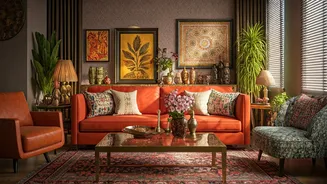
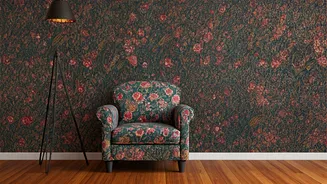
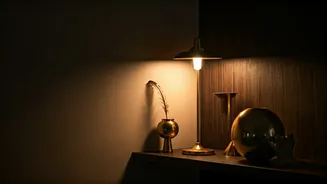
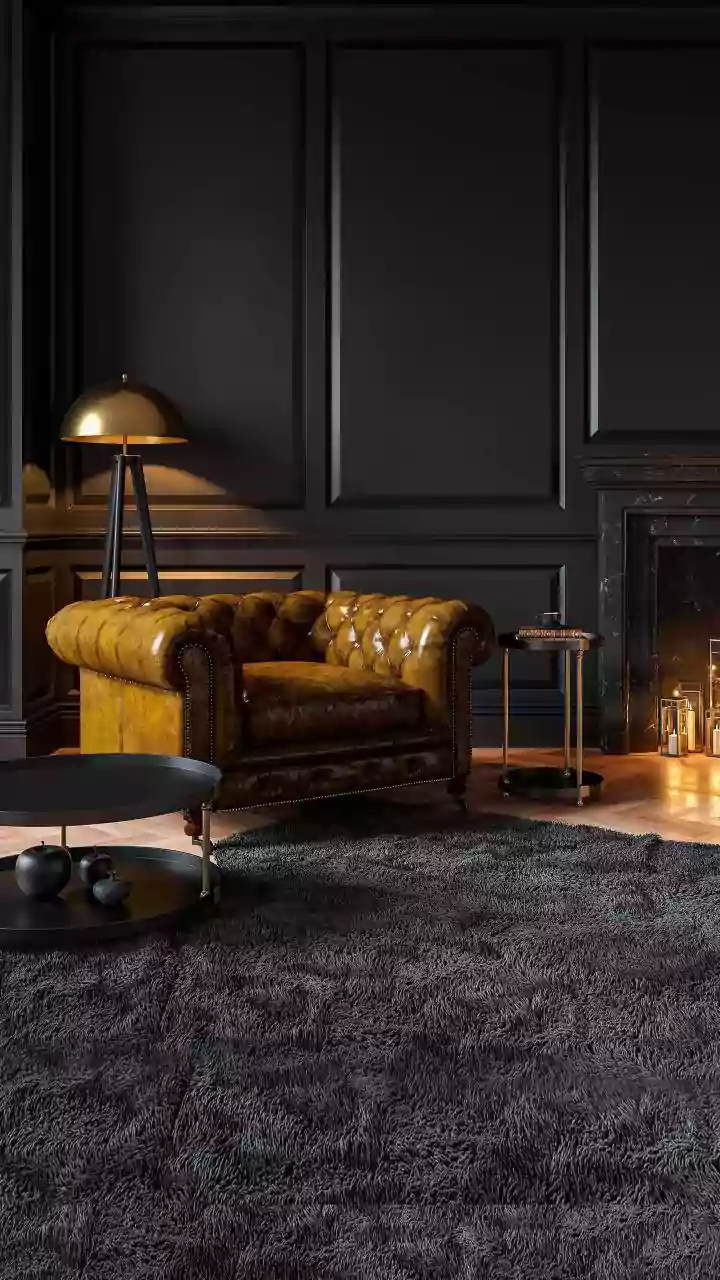
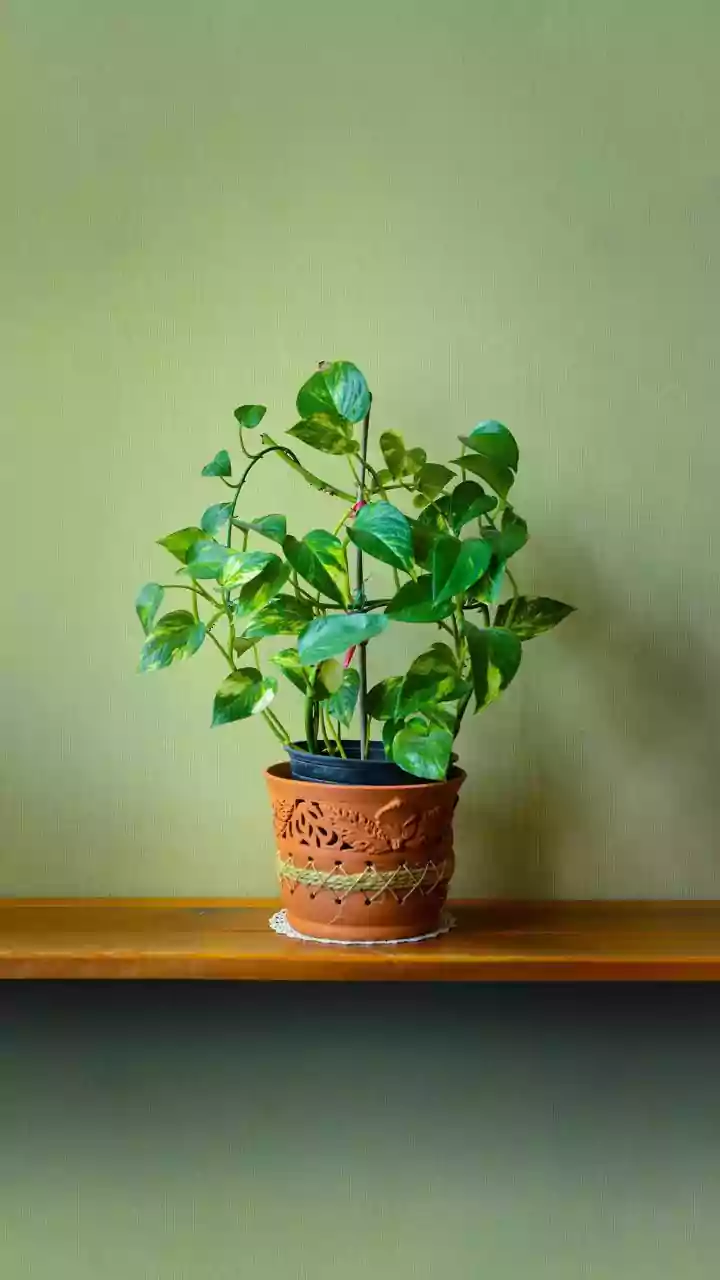
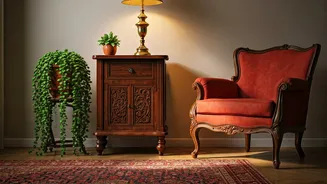
Achieving the lived-in look isn't about following a strict set of rules but about intentional choices. It starts with a foundation of natural materials like wood, stone, and cotton, which bring warmth and texture. Layering is key: think of plush rugs over floors, a mix of cushions and throws on the sofa, and layered lighting from lamps and sconces to create a soft, inviting ambiance. Furniture often blends old and new—an inherited heirloom sideboard might sit comfortably next to a modern sofa. The decor is deeply personal, comprising collections, books, and art gathered over time. Another defining feature is the re-emergence of bold, earthy colours like terracotta, olive green, and mustard yellow, which create a warm and luxurious feel without being overwhelming.
An Inherently Indian Approach
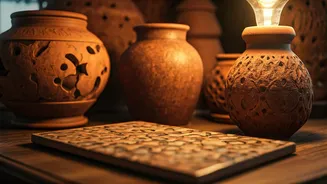
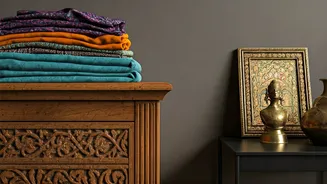
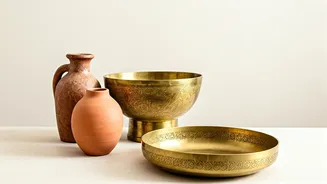
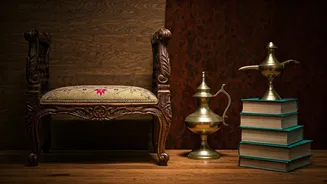
While it feels like a new trend, this return to comfort is also a return to Indian roots. Traditional Indian homes have always valued functionality, craftsmanship, and a connection to culture. The lived-in look provides a perfect canvas for celebrating local artistry. This includes incorporating handwoven textiles like block prints, kantha, and chikankari, as well as handcrafted furniture with traditional carvings or cane work. Artisanal pottery, brass lamps, and folk art like Madhubani or Warli paintings are being used to add soul and character to modern spaces. Designers are increasingly blending global design principles with these distinctly Indian elements, creating spaces that feel both contemporary and deeply personal. It’s a style that proves a home can be globally sophisticated while remaining firmly rooted in its cultural identity.