







From More to Meaningful
For years, the beauty world championed the idea that 'more is more'. We were encouraged to adopt elaborate, multi-step skincare rituals, often inspired by Korean beauty trends, involving cleansers, toners, essences, serums, ampoules, and more. While it worked
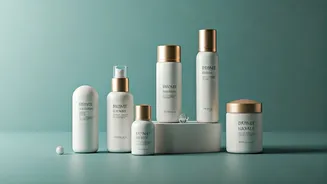
for some, many found it expensive, time-consuming, and confusing. In response, a powerful counter-movement has emerged: 'skinimalism'. This trend is about stripping back your routine to a few hardworking products that deliver tangible results. It’s a hybrid of 'skin' and 'minimalism', focusing on conscious consumption and celebrating your natural skin texture rather than covering it up with layers of product. The new goal isn't a flawless facade, but healthy, resilient skin that you feel good in.
The Rise of the Hero Ingredient
At the heart of skinimalism is a focus on active ingredients. Instead of buying a product called 'Miracle Youth Elixir', consumers are now seeking out bottles that plainly state 'Niacinamide 10% + Zinc 1%' or 'Hyaluronic Acid 2%'. This shift towards transparency has been revolutionary. Brands like The Ordinary pioneered this model globally, and a wave of Indian D2C (direct-to-consumer) brands like Minimalist, The Derma Co., and Dr. Sheth's have successfully adapted it for the Indian market. This ingredient-first approach empowers consumers. By understanding what key ingredients like Vitamin C, retinol, or salicylic acid do, people can build a targeted routine that addresses their specific concerns—be it acne, pigmentation, or dehydration—without the guesswork or marketing fluff. The power has shifted from the marketing department to the lab.
Why It's Resonating in India
Several factors have created the perfect environment for this trend to flourish in India. The pandemic played a huge role; with more time at home and endless hours on screen ('Zoom face' is a real thing), people became more attuned to their skin's health. Social media, particularly Instagram and YouTube, has given rise to 'skinfluencers' who break down complex dermatological science into easy-to-understand content. They review products based on their formulations, not just their packaging. Furthermore, Indian consumers are more discerning than ever. They demand efficacy, transparency, and value for money. The accessibility of Indian brands offering potent formulations at competitive prices has made science-backed skincare available to a much wider audience, moving it from a niche interest to a mainstream phenomenon.
Building Your Science-Backed Shelf
So, what does a 'skinimalist' routine look like? It’s built around a few core pillars. It typically starts with a gentle cleanser. Then, instead of layering multiple serums, you might use one or two targeted treatments. For instance, you could use a Vitamin C serum in the morning for its antioxidant properties to protect against environmental damage and brighten the skin. In the evening, you might opt for a retinol-based product to boost cell turnover and address signs of ageing, or salicylic acid to manage breakouts. The non-negotiables are a good moisturiser to support the skin barrier and, most importantly, a broad-spectrum sunscreen every single day. The key is consistency and choosing ingredients that cater specifically to your skin's needs, rather than chasing every new product launch.
A Trend or a True Transformation?
While beauty trends come and go, the move towards ingredient-focused, minimalist skincare feels less like a fleeting fad and more like a permanent evolution. It represents a fundamental shift in consumer behaviour from passive acceptance to active participation. People are no longer just buying products; they are learning the language of skincare. This educational component builds long-term trust and creates more conscious consumers who are less susceptible to hype. It encourages a healthier relationship with our skin, focusing on nourishment and health over unrealistic ideals of perfection. As long as consumers continue to value knowledge and results, the principles of skinimalism are undoubtedly here to stay.