






The Middle Is Your Sweet Spot
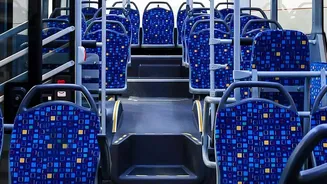
Ask any regular traveller and they'll likely tell you to avoid the extreme ends of the bus. The seats at the very front are exposed to headlight glare, more noise from the driver's cabin, and frequent disturbances at stops. The last row is notoriously
bumpy, feeling every pothole and shudder from the engine. For the most stable and quiet ride, always aim for a berth located in the middle section of the bus. These seats are positioned between the front and rear axles, offering a smoother journey with significantly less motion.
Lower vs. Upper Berth: A Key Decision
The choice between a lower and upper berth depends on your priorities. Lower berths are generally considered more stable and are much easier to get in and out of, which is a major advantage during middle-of-the-night rest stops. This makes them ideal for older passengers or anyone with mobility concerns. However, upper berths offer more privacy and distance you from the foot traffic and noise in the aisle. If you are a light sleeper who values seclusion and doesn't mind a bit of a climb, the upper berth can be a peaceful escape. Keep in mind that on winding or bumpy roads, the swaying motion can be more pronounced on the upper level.
Beware the Axle Trap
One of the biggest mistakes a rookie traveller can make is unknowingly booking a seat directly above the wheels. Most online booking portals show a simple diagram of the bus layout. Before you confirm your ticket, take a moment to identify where the wheels are located. The berths positioned directly over the front or rear axles will subject you to the most intense vibrations and bumps throughout the journey. A seat just one or two rows away towards the centre can make a world of difference in your comfort level and ability to sleep.
Single vs. Double Berth Considerations
Most sleeper buses in India offer a layout with single berths on one side of the aisle and double berths on the other. If you are travelling solo, always opt for a single berth. While booking a single seat in a double berth might seem cheaper, you run the risk of sharing a relatively intimate space with a complete stranger, which can be uncomfortable. For couples or friends travelling together, a double berth is a perfectly fine option. Booking early is crucial, as the more desirable single berths and empty double berths are the first to get filled, especially on popular routes and weekends.
Window Side for Undisturbed Rest
Within your berth, you also have a choice: the window side or the aisle side. The window side is almost always the better option for sleeping. It provides a solid surface to lean against and gives you control over the curtain, protecting you from aisle lights and the movement of other passengers. The aisle side leaves you more exposed to people walking by and potential disturbances every time someone boards or exits the bus. Securing a window-side spot is another small choice that pays big dividends in sleep quality.
Beyond the Seat: Essential Comfort Kit
While choosing the right seat is half the battle, a few essential items can transform your journey. Bus air conditioning can be notoriously powerful and cold, especially in the middle of the night. Always carry a light jacket, shawl, or blanket to stay warm. An eye mask and a pair of earplugs are non-negotiable for blocking out light from toll plazas and noise from fellow passengers. Finally, a good neck pillow provides crucial support and prevents you from waking up with a stiff neck. Don't assume the bus will have a working charging point; carry a fully charged power bank to keep your devices running.