


The Rise of Ancient Grains
For generations, millets like ragi, bajra, and jowar were staples in Indian kitchens before refined flour and sugar took over. Today, they are making a powerful comeback, celebrated for their immense health benefits. These grains are naturally gluten-free,
making them easier to digest for many people. They are packed with dietary fibre, which aids digestion, promotes a feeling of fullness, and helps manage blood sugar levels. By swapping traditional ingredients for these nutrient-dense flours, you can give your favourite festive sweets a significant nutritional upgrade without compromising on the spirit of indulgence.
Ragi: The Calcium and Iron Powerhouse
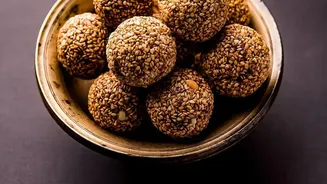
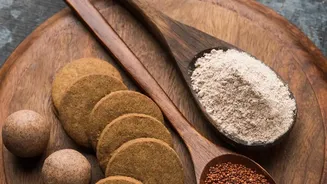
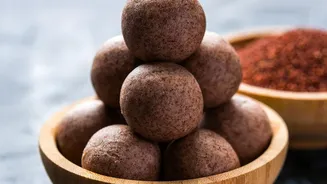
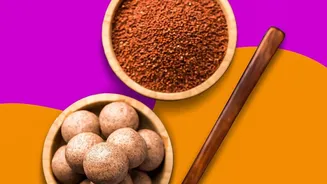
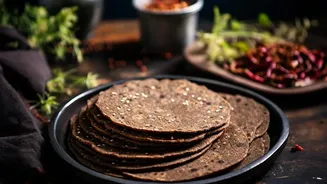
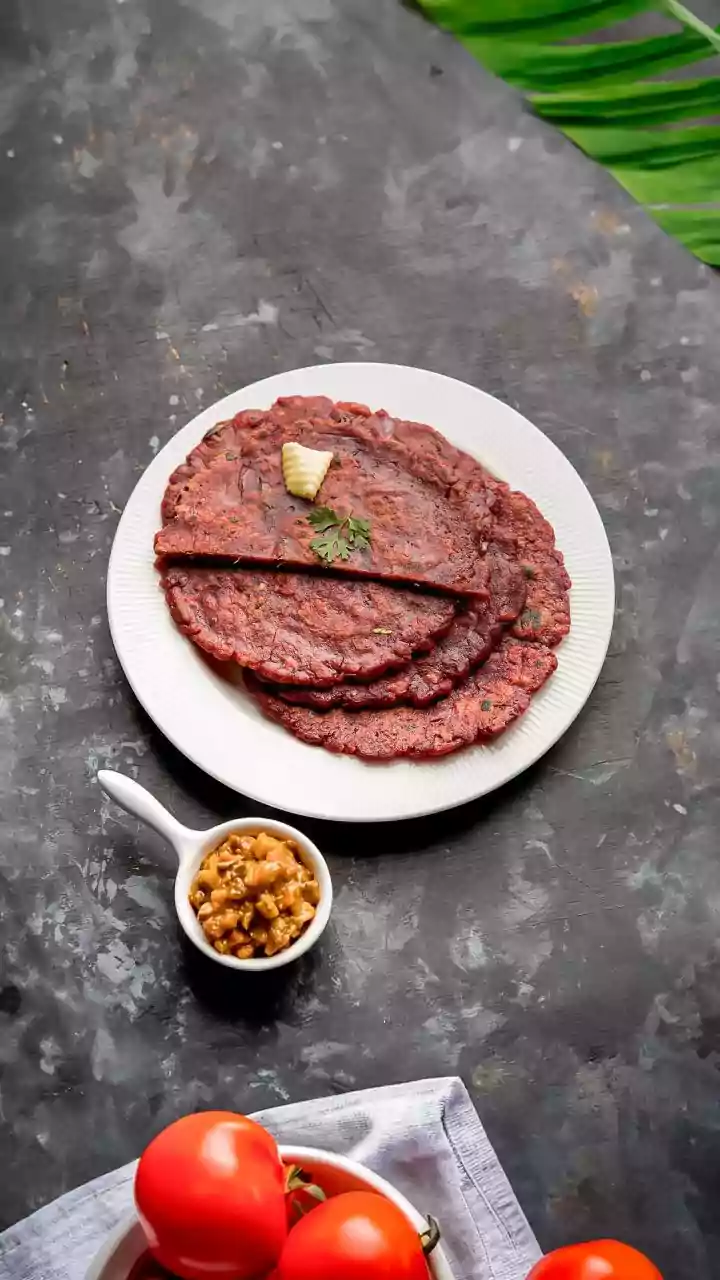
Ragi, or finger millet, is renowned for its deep, earthy flavour and impressive nutritional profile. It is one of the best plant-based sources of calcium, crucial for bone health, and is also rich in iron. This makes it an excellent addition to the diet, especially for growing children and adults. In the world of sweets, ragi flour’s nutty taste pairs wonderfully with jaggery and ghee. You can create wholesome Ragi Ladoos, rich and decadent Ragi Halwa, or melt-in-the-mouth Ragi Barfi. The key is to roast the flour well on a low flame until it releases a pleasant aroma, which removes any raw taste and enhances its flavour.
Bajra: The Warming Winter Wonder
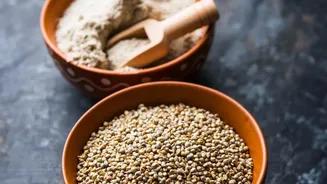
Bajra, or pearl millet, is a staple in western India, particularly during the colder months, due to its warming properties. It is a good source of protein, iron, and fibre. Its slightly nutty and robust flavour profile makes it a fantastic candidate for rustic, comforting sweets. Classic recipes get a healthy makeover with bajra. Imagine sweet, ghee-laden Bajra Ladoos or a warming bowl of Bajra Halwa sweetened with jaggery and spiced with cardamom. Some traditional recipes even use bajra flour to create sweet puris or cookies, perfect for a festive snack platter.
Jowar: The Versatile and Gentle Grain
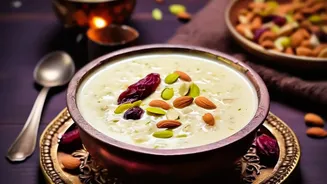
Jowar, also known as sorghum, is praised for its versatility and mild, slightly nutty taste. It is high in dietary fibre and protein, making it another excellent gluten-free option for healthier desserts. Because its flavour is not as strong as ragi or bajra, it can be easily adapted into a wide variety of sweets. You can make a delicious and wholesome Jowar Halwa, which has a wonderful texture when roasted in ghee. Other creative uses include Jowar Ladoos made with dates for natural sweetness or even Jowar Chikki, a crunchy brittle made with puffed sorghum and jaggery.
Tips for Perfect Millet Sweets
Working with millet flours can be slightly different from using refined flour. Since they are gluten-free, they don't have the same binding properties. A crucial step is to roast the flour in ghee on low heat until it becomes aromatic; this develops the flavour and ensures it's cooked through. When substituting, it's often best to use natural sweeteners like jaggery or dates, as their caramel notes complement the earthy tones of the millets. Adding nuts, seeds, and spices like cardamom or nutmeg will further enhance the flavour and texture, creating sweets that are not just healthy but truly memorable.