







The Problem with Plaster of Paris
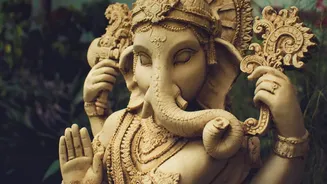
For decades, many Ganesh idols have been made from Plaster of Paris (PoP). While cheap and easy to mould into elaborate designs, PoP is an environmental nightmare. It is a chemical compound that does not dissolve in water. When immersed, these idols sink
and remain intact for months, or even years, leaching toxic chemicals from synthetic paints into our rivers and lakes. These paints often contain heavy metals like mercury, cadmium, and lead, which poison aquatic life and contaminate water sources for communities downstream. This practice turns a sacred act of farewell into a source of pollution, disrupting the very nature we revere.
The Traditional Alternative: Shadu Mati Clay
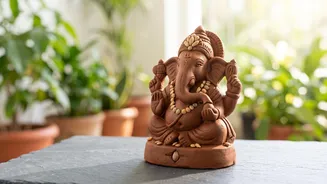
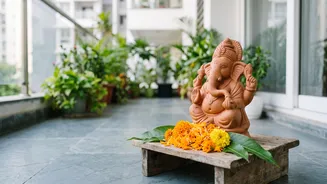
The solution is not a modern invention but a return to tradition. For centuries, idols were made from natural clay, known as 'shadu mati'. Sourced from riverbeds, this sacred clay is 100% natural and biodegradable. When an idol made from shadu mati is immersed, it dissolves back into the water within hours, symbolising the beautiful cycle of creation and return to nature without leaving any harmful residue. Choosing a clay idol supports local artisans who continue this traditional craft and ensures the festival's spiritual essence remains pure and respectful to the environment.
How to Identify a True Clay Idol
With the rising demand for eco-friendly options, it's important to know how to spot a genuine clay idol from a PoP one masquerading as clay. First, consider the weight; a true clay idol is significantly heavier than a PoP idol of the same size. Second, check the surface. Clay has a slightly rougher, more porous texture, while PoP is smooth and flawless. Third, look at the paint. Eco-friendly idols use matte, natural pigments derived from turmeric, sandalwood, and other plant-based sources, which look less glossy than the bright, chemical-laden paints used on PoP idols. Finally, a genuine clay idol is often more expensive due to the higher cost of raw materials and the skilled craftsmanship involved.
A Responsible Visarjan at Home
The most significant benefit of a clay idol is the ability to perform a responsible and intimate visarjan (immersion) at home. This practice avoids crowding at public water bodies and ensures zero pollution. The process is simple: after your final prayers, place the idol in a bucket or tub of clean water. Remove any non-biodegradable decorations first. The unbaked clay will start to dissolve on its own. Depending on its size, this can take a few hours to a day. Once the idol has fully returned to its clay form, the water can be poured into your garden or plant pots. This act beautifully completes the cycle, allowing Bappa to nurture life even after the festival concludes. Some innovative idols even come with seeds embedded inside, which can be planted after immersion, creating a living memory of the celebration.
Beyond the Idol: A Fully Green Celebration
Embracing an eco-friendly festival can extend beyond just the idol. For decorations, swap plastic and thermocol for natural materials like fresh flowers, banana leaves, and mango leaves. Use cloth buntings, paper lanterns, and reusable fabric torans that can be stored for next year. Opt for LED or traditional earthen diyas instead of disposable plastic lights to illuminate your home. When serving prasad, use reusable plates or natural alternatives like banana leaves instead of single-use plastic or paper. Each of these small changes contributes to a larger impact, transforming your celebration into one that is not only joyous but also mindful and sustainable.