






Meet Galangal: Ginger's Cooler Cousin
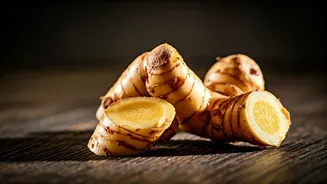
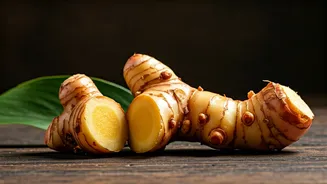
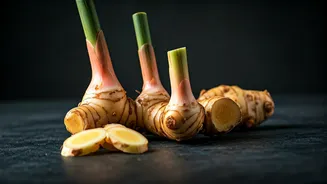
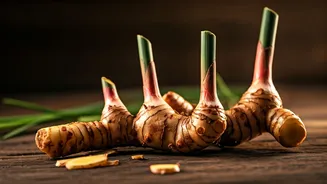
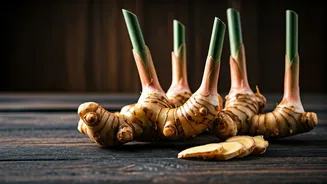
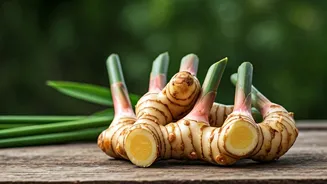
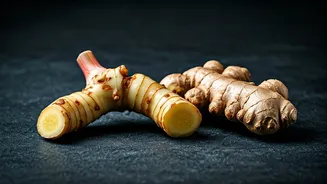
At first glance, you might mistake galangal for ginger. They are both rhizomes—a fancy term for a root-like underground stem—and belong to the same plant family, which also includes turmeric and cardamom. Commonly called Thai ginger or Siamese ginger,
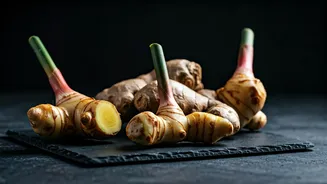
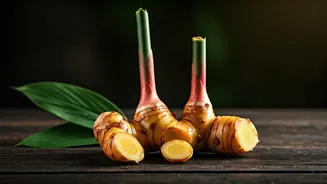
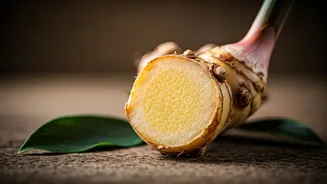
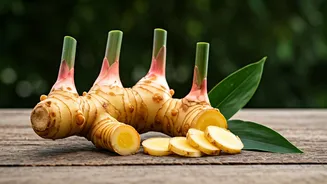
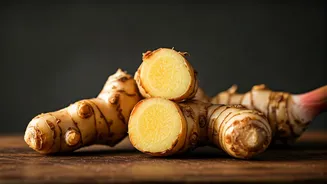
galangal is a staple in Southeast Asian cooking, particularly in Thai, Indonesian, and Malaysian cuisines. But don't let the family resemblance fool you. Galangal has smoother, paler skin and a much harder, woodier flesh than its softer, more fibrous cousin. This density means you can't just grate it like ginger; it needs to be thinly sliced or pounded to release its incredible aroma.
A Pop of Citrus and Pine
The real difference between galangal and ginger lies in the taste. While ginger offers a familiar spicy, pungent heat, galangal delivers a completely different experience. Its flavour is sharp, bright, and complex, with strong notes of citrus, pine, and a peppery finish. Many describe its aroma as earthy and almost medicinal in a refreshing way, reminiscent of a pine forest or even the clean scent of Vicks VapoRub. This unique profile allows galangal to add a zesty, aromatic lift to dishes without the straightforward spiciness of ginger, making it a game-changer for soups, curries, and marinades.
How to Buy and Store It
Ready to bring some home? You can find fresh galangal in most Asian markets and in the produce section of some larger, well-stocked supermarkets. Look for firm, plump rhizomes with smooth skin, avoiding any that are soft, shrivelled, or mouldy. Fresh galangal will keep in the fridge for a week or two, but it's prone to drying out. For longer storage, the freezer is your best friend. Simply slice the galangal thinly, place the slices in a single layer on a tray to freeze, then transfer them to a freezer bag. This way, you can grab a few slices whenever you need them, and they'll last for months. You might also find frozen pre-sliced galangal, dried slices, or galangal paste, which are all great alternatives.
Easy Ways to Electrify Your Dinner
You don't need a complex recipe to enjoy galangal's magic. The easiest way to start is by using it to infuse flavour into liquids. Add a few thin slices to the coconut milk base of your next curry, letting it simmer to release its fragrance before adding your other ingredients. The same method works wonders for simple soups; a few pieces of galangal, some lemongrass, and chicken or vegetable broth create an incredibly aromatic base for Tom Kha Gai (Thai coconut chicken soup) or Tom Yum. For a quick marinade, pound a few slices of galangal with garlic, shallots, and a bit of oil, then rub it on chicken, fish, or tofu before grilling or pan-frying. Because it can be tough, larger slices are often removed before serving, just like a bay leaf.
The Substitution Question
With its unique taste, the most common question is whether you can simply substitute ginger for galangal. The short answer is no—at least, not if you want the authentic flavour of the dish. Swapping in ginger will give you a completely different result. As one expert puts it, it's like using rosemary instead of basil; both are herbs, but the final dish won't taste the same. If a recipe calls for galangal as a star ingredient, especially in dishes like Tom Kha Gai where its flavour is central, it's worth the effort to find the real thing. Using ginger will result in a sweeter, mellower dish that lacks the sharp, citrusy punch that makes galangal so special.