

That incredible, citrusy fragrance that defines so many Southeast Asian dishes? That’s often lemongrass. While its woody stalk can seem intimidating, learning to unlock its flavour is simple and transforms your cooking from good to unforgettable.
Understanding the Lemongrass Stalk
Lemongrass
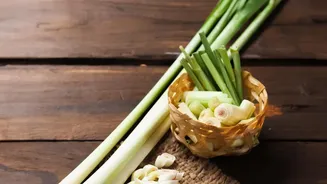
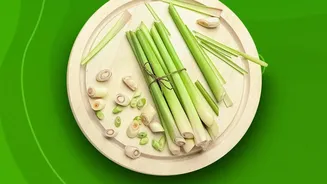
is a fibrous, stalky plant that, as its name suggests, carries a bright, lemony aroma and taste, but with added notes of ginger and mint. It's a cornerstone ingredient in Thai and Vietnamese cuisine, lending a distinct freshness to everything from curries to marinades. When you buy lemongrass, you'll typically find it in bunches of long, firm stalks. They should feel heavy for their size with pale yellow-green bases and greener tops. The key to cooking with it is knowing which part of the stalk to use for which purpose, as the texture varies from top to bottom.
How to Prepare Lemongrass for Cooking
Proper prep is the secret to getting the most out of this aromatic herb. Start by trimming off the very bottom root end and the dry, leafy tops. What remains is the usable stalk. For most recipes where the lemongrass will be eaten, like a stir-fry, you need to peel off the tough, woody outer layers until you reach the tender, paler core. This inner part is the goal. For a stir-fry or paste, you'll want to mince this tender section very finely. A food processor can make quick work of this, blitzing it into a coarse sand-like texture. If you find it fibrous, you haven't minced it enough. For soups or infusions, you can use the tougher, greener parts of the stalk. Simply bruise them with the back of a knife or a rolling pin to help release their aromatic oils before tossing them into the pot. Just remember to remove these larger pieces before serving.
The Star of the Show: Lemongrass Stir-Fry
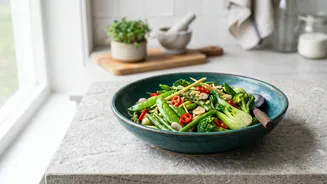
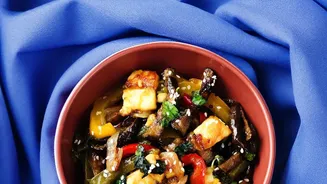
A stir-fry is perhaps the best entry point into cooking with lemongrass because it showcases the herb’s flavour in its purest form. The technique is simple: use the finely minced tender core. Start by heating a neutral oil in a wok or large skillet. Add the minced lemongrass along with other aromatics like garlic, ginger, and chili. Sautéing them for just a minute builds an incredibly fragrant base before you add your protein and vegetables. The heat of the pan blooms the lemongrass, infusing the entire dish with its signature flavour. This method works beautifully with chicken, shrimp, pork, or tofu. The key is to add the lemongrass early so its flavour can meld with the other ingredients. A quick sauce of fish sauce, lime juice, and a touch of sugar balances the aromatic notes perfectly.
Beyond the Wok: Other Lemongrass Ideas
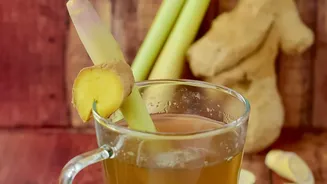
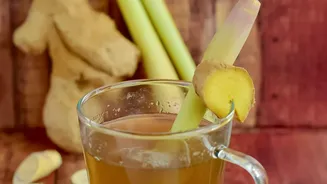
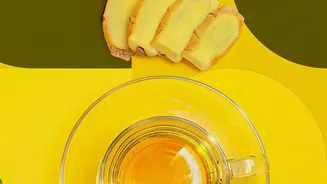
Once you've mastered the stir-fry, the possibilities are endless. Lemongrass is a superstar in marinades, where its flavour has time to penetrate deeply into meat or tofu. A classic Vietnamese marinade combines finely chopped lemongrass with fish sauce, sugar, and garlic, perfect for grilled chicken or pork. The tougher, bruised stalks are essential for flavouring broths and soups, like the famous Thai Tom Yum. Simply add them to the liquid as it simmers and remove them before serving. Finally, don't discard those woody tops and outer layers. They can be bruised and steeped in hot water to create a soothing, fragrant herbal tea. This tea is not only delicious but is also traditionally used to aid digestion and reduce anxiety.