




The Science of a Complete Protein
To understand why this pairing is so powerful, we first need to talk about amino acids. Think of protein as a long chain, and amino acids as the individual links. There are 20 different amino acids, but nine of them are considered 'essential' because
our bodies can't produce them. We have to get them from food. Animal-based foods like meat, eggs, and dairy are 'complete' proteins, meaning they contain all nine essential amino acids in sufficient amounts. Most plant-based foods, however, are 'incomplete', as they are low in one or more of these essential building blocks. This is where the concept of protein combining comes in, a strategy long used in vegetarian diets worldwide.
The Perfect Partnership of Dal and Rice
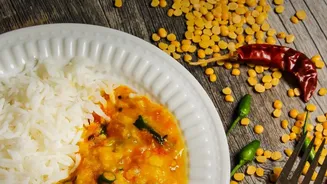
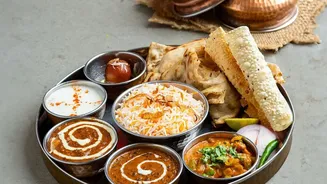
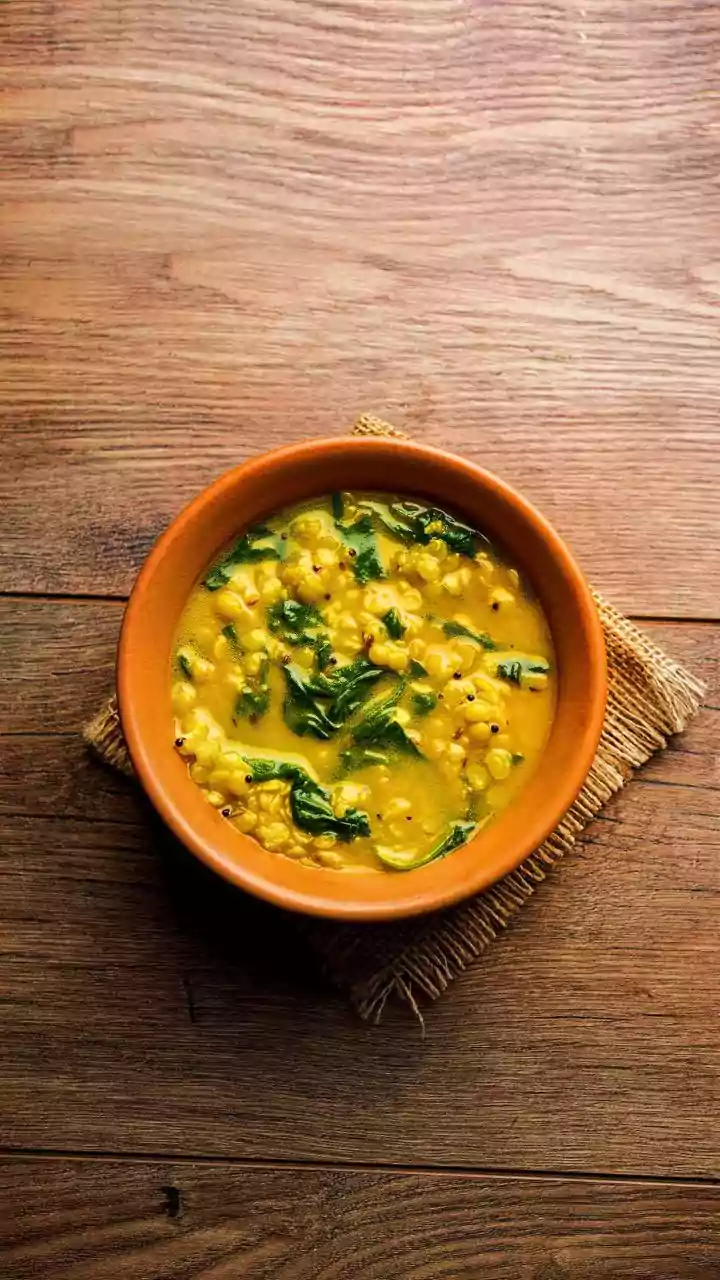
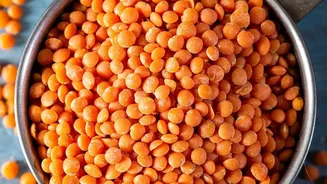
Lentils (dal) and rice are a perfect nutritional match because their amino acid profiles are complementary. Lentils are packed with an essential amino acid called lysine but are low in another called methionine. Rice, on the other hand, is low in lysine but has the methionine that lentils are missing. When you eat them together, their individual weaknesses are cancelled out. The combination provides all nine essential amino acids, creating a complete protein source that your body can use effectively for everything from cell repair to building lean muscle. This isn't a modern health fad; it's nutritional wisdom embedded in traditional cuisines, most notably Indian dal chawal.
Fueling Muscle Growth and Repair
For a weightlifter, this is crucial. Resistance training creates microscopic tears in muscle fibres, and the body needs a full-spectrum supply of amino acids to repair this damage and build the muscle back stronger. A single cup of cooked lentils provides around 18 grams of protein, while a cup of cooked rice adds another 4-5 grams. A substantial bowl of dal and rice can therefore deliver a significant dose of high-quality, complete protein to kickstart the recovery process after a tough workout. The high carbohydrate content from the rice also helps to replenish glycogen stores, the body's primary fuel source for intense exercise, making it an excellent post-workout meal.
Myth-Busting: Do They Need to Be Eaten Together?
For decades, the popular advice was that you had to eat complementary proteins in the very same meal to get the benefit. However, modern nutrition science has shown this to be a myth. Our bodies are smarter than we thought and maintain a 'pool' of amino acids drawn from the various foods we eat throughout the day. So, if you have lentils for lunch and a side of brown rice with your dinner, your body can still pull the necessary amino acids from that pool to construct complete proteins. While eating dal and rice together is convenient and traditional, the most important thing for an athlete is consuming a varied diet of grains, legumes, nuts, and seeds over the course of the day to ensure all amino acid needs are met.
Making It Part of Your Diet
Incorporating this power duo is simple. A standard bowl of dal with a side of steamed rice is the most obvious method. For variety, consider making khichdi, a one-pot dish where rice and lentils are cooked together. You can also get creative by making lentil-based patties and serving them with rice, or enjoying a hearty lentil soup with a side of whole-grain bread, which serves the same complementary purpose. Using brown rice instead of white will increase the fibre, vitamin, and mineral content of your meal, promoting better digestion and providing sustained energy release. The high fibre content in dal-rice also promotes satiety, helping with weight management by keeping you fuller for longer.