




The Undemanding Charm of Indoor Plants
In our busy lives, creating a calm and healthy sanctuary at home is more important than ever. Indoor plants are a fantastic way to bring nature's tranquility inside, but the fear of a wilting, yellowing plant can deter even the most well-intentioned person.
Many of us have experienced the disappointment of a houseplant that demands more time, attention, and sunlight than we can provide. This is where low-maintenance greenery comes to the rescue. Imagine having a vibrant plant that not only survives but thrives on a bit of neglect. The Snake Plant and Peace Lily are champions of this category, offering the beauty of nature without the constant upkeep. They are the perfect starting point for new plant parents or anyone with a busy schedule.
Meet the Resilient Snake Plant
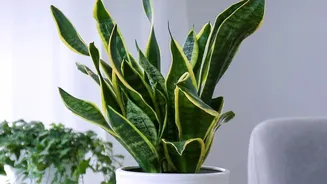
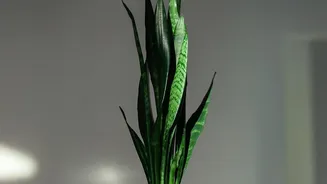
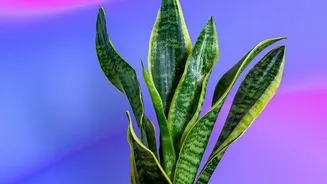
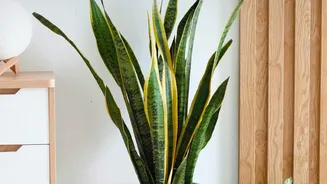
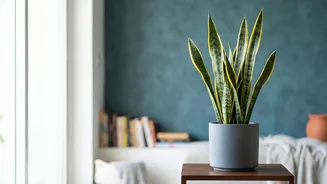
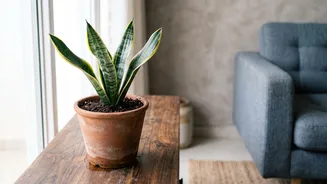
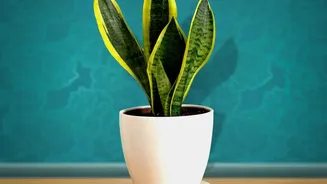
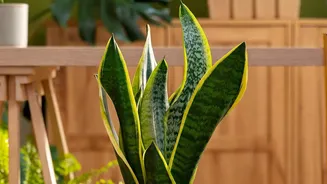
The Snake Plant, also known by its scientific name Dracaena trifasciata or the less-flattering moniker 'mother-in-law's tongue', is a superstar of resilience. With its striking, upright leaves that feature patterns of green and yellow, it adds a modern, architectural element to any room. Native to West Africa, it is adapted to dry conditions, meaning it is incredibly forgiving if you forget to water it. In fact, overwatering is one of the few ways to truly harm this plant. It stores water in its leaves, allowing it to go for weeks, sometimes even a month or more, without a drink. Just wait for the soil to dry out completely before watering it again.
Light and Care for Your Snake Plant
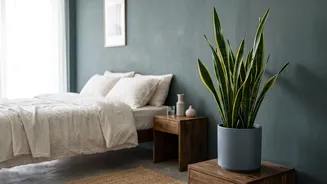
One of the Snake Plant's biggest selling points is its tolerance for low light. While it prefers bright, indirect sunlight to truly flourish, it can happily exist in a shadier corner of your home, making it perfect for apartments and rooms with limited natural light. You may notice its growth slows in lower light, but its hardy nature remains. To ensure even growth, it's a good idea to rotate the plant every few weeks and wipe its leaves with a damp cloth occasionally to remove dust, which helps it absorb what light is available. Its adaptability makes it one of the most versatile and easiest houseplants you can own.
The Elegant and Communicative Peace Lily
If you're looking for a plant with a softer aesthetic, the Peace Lily (Spathiphyllum) is an excellent choice. Known for its glossy, dark green leaves and elegant white blooms, which are actually a modified leaf called a spathe, it brings a touch of grace to any space. Though it looks delicate, the Peace Lily is surprisingly tough and another great option for those who are new to plant care. One of its most endearing qualities is its 'communicative' nature; its leaves will noticeably droop when it needs water, taking all the guesswork out of your watering schedule. A quick drink will have it perking right back up within hours.
Peace Lily's Modest Needs
Like the Snake Plant, the Peace Lily is tolerant of low-light conditions, echoing its natural habitat on the floor of tropical rainforests. It prefers a spot with bright, indirect light, and placing it near an east-facing window is often ideal. However, it will survive in dimmer areas, though it may not produce its signature white flowers as frequently. It prefers consistently moist, but not soggy, soil. Watering it about once a week is a good rule of thumb, but it’s always best to check the soil first or simply wait for its leaves to give you the signal.
The Science of Purifying Indoor Air
The claim that these plants purify the air isn't just a myth; it's rooted in a well-known study conducted by NASA in 1989. The research was designed to find ways to clean the air in sealed environments like space stations. The study found that certain houseplants could absorb common indoor pollutants through their leaves and roots. The Snake Plant was found to be effective at removing toxins like formaldehyde, benzene, xylene, and toluene. Similarly, the Peace Lily was highlighted for its ability to filter ammonia, benzene, and formaldehyde. These pollutants, known as volatile organic compounds (VOCs), can be released from everyday items like furniture, paint, cleaning supplies, and carpets.
A Realistic View on Greener Air
While the NASA study is compelling, it's important to put the findings into perspective. The experiments were conducted in small, sealed laboratory chambers, which is very different from a typical home with natural ventilation. More recent analysis has concluded that you would need a very large number of plants—some estimate hundreds—to significantly reduce the level of pollutants in an average-sized room. So, while a couple of houseplants won't replace a good ventilation system, they do contribute to a healthier indoor environment. Beyond their modest air-cleaning abilities, studies have shown that the mere presence of indoor plants can reduce stress and boost well-being, which is a powerful benefit in its own right.