







A Deep-Rooted Tradition
Long before 'plant parent' became a trending hashtag, greenery was an integral part of the Indian household. This isn't just a new fad; it's a modern expression of ancient traditions. For generations, the presence of a Tulsi (Holy Basil) plant has been
a non-negotiable in many homes, revered for its spiritual and medicinal properties. Principles of Vastu Shastra also recommend specific plants to foster positive energy and prosperity. The ubiquitous money plant, often found trailing from a repurposed glass bottle, has been a quiet symbol of good fortune for decades. Today’s obsession with fiddle-leaf figs and monsteras is simply the new chapter in a very old story, blending global trends with a deeply ingrained cultural appreciation for nature within the home.
The Urban Green Escape
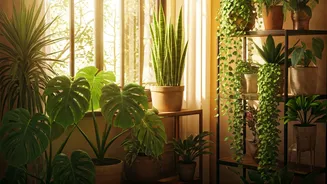
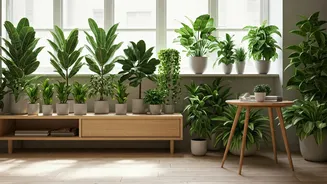
As India's cities grow denser and taller, private green space is becoming an ever-pricier luxury. For millions living in apartments in Mumbai, Delhi, Bengaluru, and beyond, a lush balcony or a collection of indoor plants is their primary connection to the natural world. These small-scale 'urban jungles' serve as a vital antidote to the concrete and chaos outside. They provide a patch of green to tend to, a living element that changes with the seasons, and a psychological escape. The act of nurturing a plant from a small sapling to a thriving specimen offers a sense of accomplishment and a quiet retreat from the fast pace of city life, turning compact urban dwellings into personal sanctuaries.
Wellness in a Pot
The conversation around mental and physical well-being has gained significant traction in India, and plants are at the forefront of this movement at home. The pandemic lockdowns, in particular, accelerated this trend, as people sought ways to improve their indoor environment and mental state. Scientific studies support this instinct: houseplants are known to improve air quality by filtering common pollutants. Beyond the physical benefits, the act of caring for plants—watering, pruning, observing new growth—is a form of mindfulness. It reduces stress, lowers anxiety, and provides a gentle, nurturing routine. In a world of constant digital stimulation, plant care offers a tangible, screen-free activity that grounds us in the present moment.
The Social Media Bloom
You can't scroll through Instagram or Pinterest without encountering perfectly curated images of plant-filled interiors. The rise of the 'plantfluencer' in India has created a vibrant online community where enthusiasts share tips, identify species, and showcase their beautiful green collections. Hashtags like #indianplantcommunity and #urbanjunglebloggers connect thousands of people, turning a solitary hobby into a shared passion. This visual-first culture has made plants a key element of modern interior design. A striking snake plant or an elegant areca palm is now seen as a living piece of art that adds texture, colour, and life to a room. Social media provides not only the inspiration to start but also the community support to keep going.
Five Friends to Get You Started
Feeling inspired? Starting your plant journey is easier than you think, especially with forgiving, low-maintenance options that thrive in Indian climates. First, the Snake Plant (Sansevieria trifasciata) is nearly indestructible; it tolerates low light and infrequent watering. Second, the classic Money Plant (Epipremnum aureum) is a fast-growing vine that tells you when it’s thirsty by drooping slightly. Third, the ZZ Plant (Zamioculcas zamiifolia) is perfect for beginners as it thrives on neglect and can survive in very low light. Fourth, the Spider Plant (Chlorophytum comosum) is a fantastic air purifier and produces 'babies' that can be easily repotted. Finally, the Areca Palm (Dypsis lutescens) brings a lush, tropical feel and is relatively easy to care for with consistent moisture and bright, indirect light.