








Why Airflow is Your First Defence
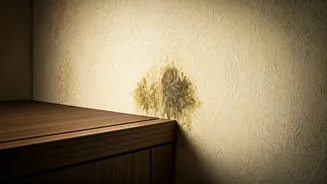
During the rainy season, outdoor humidity soars, and that moisture inevitably makes its way inside. When air is stagnant, this moisture settles on walls, furniture, and fabrics, creating the perfect breeding ground for mould and mildew. This not only
causes a persistent musty smell but can also damage your belongings and negatively impact your respiratory health. Proper ventilation is the most effective way to combat this. It works by pushing the damp, stale air out and allowing fresh, drier air to circulate, preventing moisture from building up in the first place. Think of it as giving your home a chance to breathe, which is the essential first step before any styling can truly shine.
Simple Strategies for Better Ventilation
You don't need expensive equipment to improve airflow. The simplest method is cross-ventilation. When it's not actively raining, open windows and doors on opposite sides of your home to create a natural breeze that flushes out humid air. Even cracking windows open for 15-20 minutes a day can make a significant difference. Make strategic use of fans. Ceiling fans help circulate air, while exhaust fans in kitchens and bathrooms are critical for removing moisture generated from cooking and showering. To ensure air moves freely throughout the house, try to keep interior doors open. These simple habits disrupt the stagnant environment that dampness loves, setting a fresh foundation for your living space.
Natural Ways to Absorb Excess Moisture
Even with good airflow, some areas might need extra help. You can create your own natural dehumidifiers using common household items. Bowls of rock salt or baking soda, placed in damp corners, closets, or under sinks, are excellent at absorbing moisture from the air. Baking soda has the added benefit of neutralizing odours. Activated charcoal is another powerful option that absorbs both moisture and smells, and can be placed discreetly in small bags or containers. For a greener touch, certain houseplants like peace lilies, spider plants, and Boston ferns are known to absorb humidity through their leaves. These natural solutions are perfect for tackling persistent dampness in enclosed spaces like wardrobes and cabinets.
Caring for Furniture and Fabrics
Monsoon humidity is particularly tough on wooden furniture and textiles. Wood can swell and warp, so it’s wise to move furniture a few inches away from walls, which can seep moisture. A pre-monsoon polish or wax can create a protective barrier. When it comes to fabrics, opt for lighter, quick-drying materials like cotton or synthetic blends for curtains and upholstery. Heavy fabrics can trap moisture and take a long time to dry, contributing to the musty smell. If you must dry clothes indoors, do so in a well-ventilated area, preferably near a window or with a fan running, to prevent adding excess moisture to the room.
Styling for a Fresh and Cosy Monsoon
Once you have a handle on airflow and moisture, you can focus on making your home a cosy monsoon retreat. With the foundation of a fresh, dry room, your styling efforts will have a much greater impact. Counteract the gloomy weather with bright and cheerful colours in your cushions, throws, and rugs. Lightweight cotton dhurries can add vibrancy without feeling heavy. Introduce warm lighting with floor lamps and scented candles to create a soft, inviting glow. The fragrance from essential oil diffusers or candles with scents like lemongrass, lavender, or eucalyptus can help keep the air smelling fresh and combat any lingering damp odours. A clean, airy, and fresh-smelling space is the ultimate canvas for beautiful monsoon styling.