





Peace Lily (Spathiphyllum)
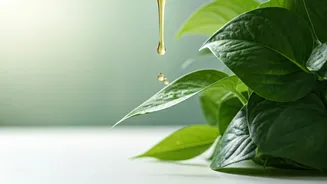
The Peace Lily is an indoor superstar, and it truly comes into its own during the monsoon. This elegant plant loves the high humidity that the rainy season brings, which helps keep its glossy, dark green leaves vibrant and healthy. It's also an excellent
air purifier, removing common household toxins. During the monsoon, its beautiful white spathes (often mistaken for flowers) can bloom more readily. Place it in a spot with bright, indirect light, like near a north-facing window. Be careful not to overwater; the humid air means the soil will stay moist for longer. Check the top inch of soil, and only water when it feels dry.
Snake Plant (Dracaena trifasciata)
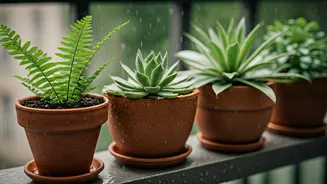
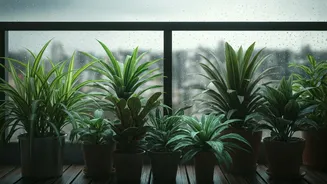
If you're looking for an almost indestructible plant, the Snake Plant is your answer. It's famously low-maintenance and can tolerate a wide range of conditions, but it particularly enjoys the ambient moisture of the monsoon. Its stiff, upright leaves add a strong architectural element to any room. One of its biggest advantages is its tolerance for low light, making it perfect for dimmer corners of an apartment that get less sun during overcast monsoon days. The key to keeping a Snake Plant happy is to avoid overwatering, as it's susceptible to root rot. In the monsoon, you might only need to water it once every 3-4 weeks.
Balsam (Impatiens balsamina)
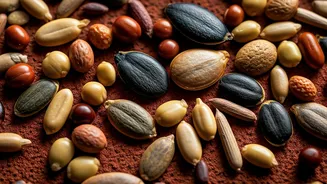
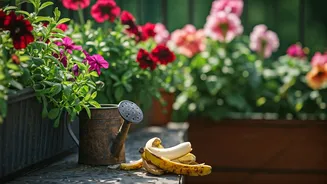
For those with a balcony or a window box, Balsam is a quintessential monsoon flowering plant. Known locally as 'Gulmehendi', these annuals explode with colourful blooms in shades of pink, red, purple, and white, providing a cheerful antidote to grey skies. They love the consistent moisture and humidity of the monsoon. Sow the seeds directly into pots at the beginning of the season, and they will germinate quickly. They need regular watering but ensure the pots have excellent drainage to prevent waterlogging. Balsam plants offer instant, vibrant colour and are incredibly easy to grow from seed, making them a rewarding project for the season.
Money Plant (Epipremnum aureum)
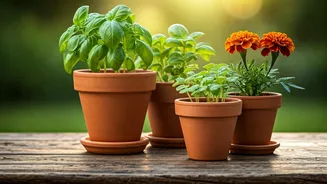
No list of Indian house plants is complete without the Money Plant. This versatile vining plant is incredibly resilient and thrives in the monsoon's humid conditions. The increased moisture in the air encourages lush, rapid growth, making its heart-shaped leaves look fuller than ever. You can grow it in soil or just a bottle of water. For soil-based plants, reduce watering frequency as the soil will retain moisture longer. It’s a great choice for hanging baskets on a covered balcony or placed on a high shelf indoors, allowing its vines to trail down beautifully. It also adapts well to various light levels, from low to bright indirect light.
Hibiscus (Hibiscus rosa-sinensis)
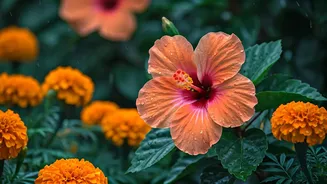
If you have a sunny balcony, the monsoon is the perfect time for the Hibiscus plant to put on a spectacular show. While it loves sun, the regular watering from the rain and the high humidity encourage it to produce its large, stunning flowers continuously. These tropical beauties bring a burst of colour—from fiery reds and oranges to delicate pinks and yellows. Ensure your pot has excellent drainage to handle heavy downpours. It's also a good time to prune the plant lightly to encourage bushier growth and more flowers. Keep an eye out for common monsoon pests like mealybugs and treat them early.
Areca Palm (Dypsis lutescens)
Bring a touch of the tropics indoors with the Areca Palm. This popular houseplant adds a graceful, feathery texture to any room. It thrives in the high humidity typical of the Indian monsoon, which helps prevent its delicate fronds from developing brown tips. The Areca Palm is also known for its air-purifying qualities and acts as a natural humidifier. It prefers bright, indirect sunlight, so placing it near an east-facing window is ideal. Like other plants during this season, it requires less frequent watering. Allow the top layer of soil to dry out before watering again to prevent root issues.