
The Two Types of Iron
Iron is a vital mineral that our bodies need for energy, focus, and overall health. It's a key component of hemoglobin, the protein in red blood cells that carries oxygen from our lungs to the rest of our body. But not all dietary iron is created equal.
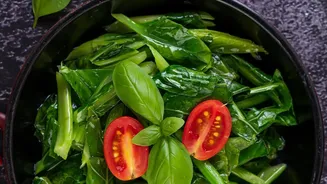
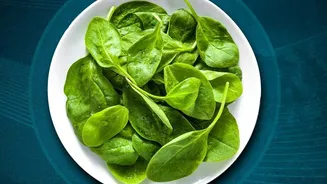
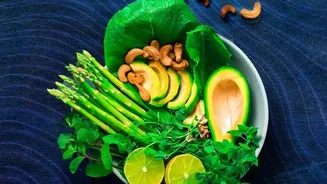
There are two main forms: heme and non-heme. Heme iron is found in animal products like meat, poultry, and fish. It's highly bioavailable, meaning our bodies can absorb it quite easily. In contrast, non-heme iron is the type found in plant-based foods, including leafy greens like spinach, lentils, beans, and fortified cereals. While these foods are nutritional powerhouses, non-heme iron is notoriously harder for our bodies to absorb. This is a particular challenge in India, where vegetarian diets are common and iron deficiency remains a significant public health issue.
The Power of Vitamin C
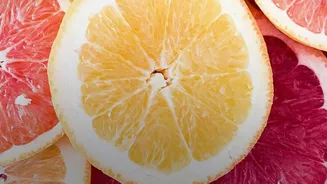
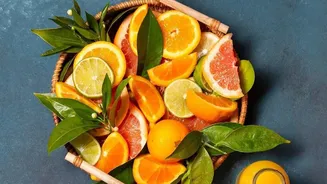
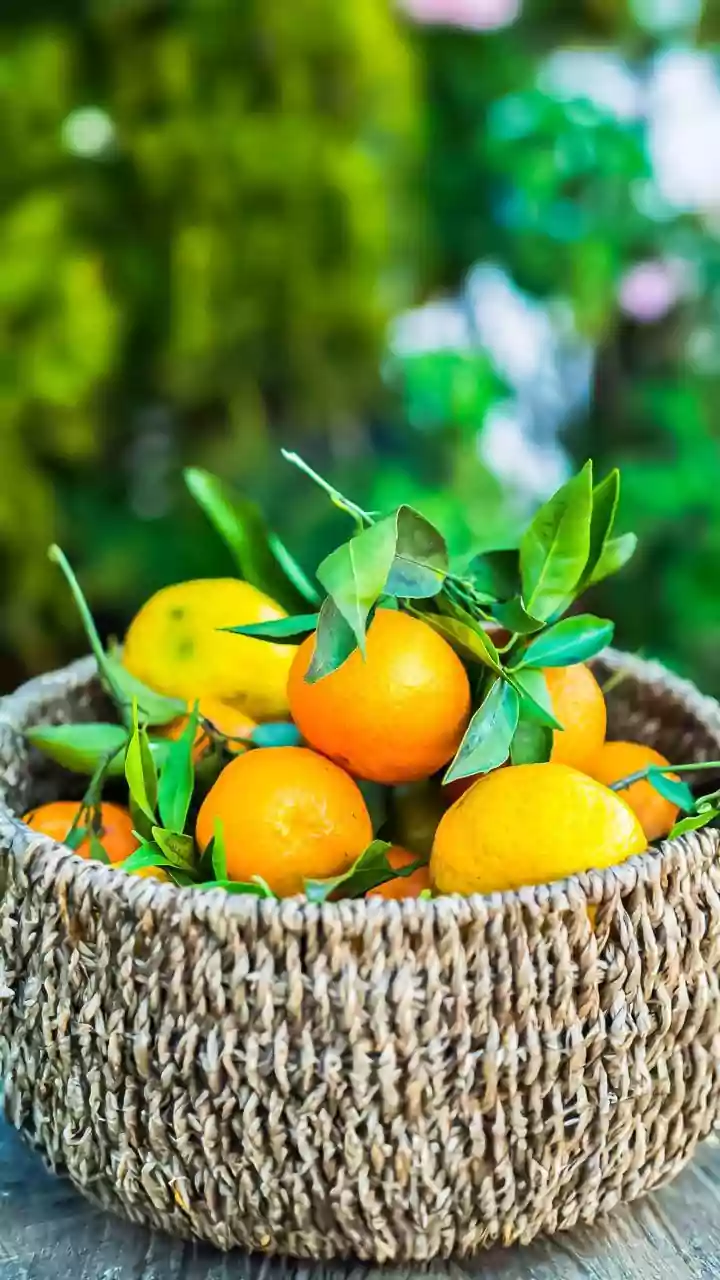
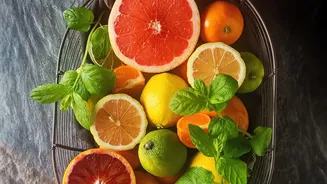
This is where the magic of citrus comes in. Vitamin C, or ascorbic acid, is a potent enhancer of non-heme iron absorption. The headline claim of 'doubling' absorption is not just a catchy phrase; some studies show that Vitamin C can increase iron absorption multiple times over, depending on the meal. The science is straightforward: non-heme iron exists in a chemical form (ferric, Fe³⁺) that our intestines struggle to take in. Vitamin C works in the gut to convert this iron into a more soluble and absorbable form (ferrous, Fe²⁺). It essentially unlocks the iron, making it readily available for your body to use. It also helps counteract 'inhibitors'—natural compounds like phytates in grains and polyphenols in tea and coffee—that block iron absorption.
Smart Pairings for Your Plate
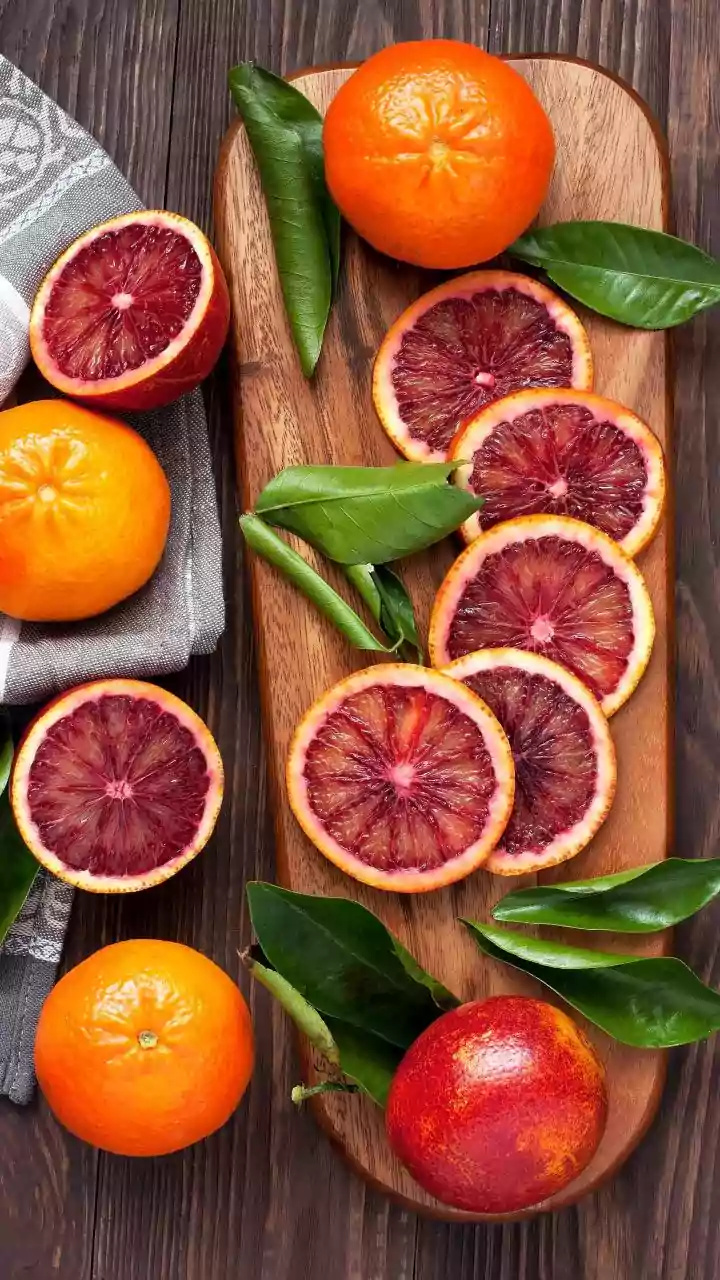
Putting this knowledge into practice is simple and delicious. The core idea is to consume a Vitamin C-rich food at the same time as a plant-based iron source. While the headline focuses on citrus and leafy greens, the principle applies much more broadly. Think about squeezing a generous amount of lemon juice (a great source of Vitamin C) over a bowl of dal or a spinach curry. A side salad of sliced tomatoes and bell peppers with your lentil soup also works wonders. For breakfast, having a small glass of orange juice with fortified oatmeal can significantly increase the iron you absorb from the cereal. Other fantastic combinations include adding strawberries to a spinach salad or incorporating amla (Indian gooseberry), one of the richest natural sources of Vitamin C, into your meals.
Beyond Citrus: Other Vitamin C Heroes
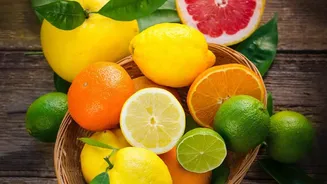
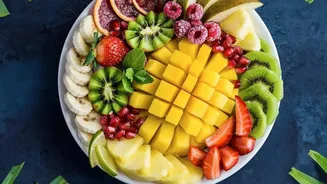
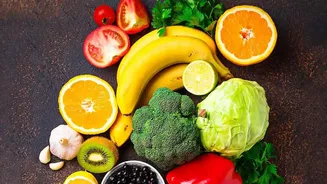
While citrus fruits are excellent, many other foods are packed with Vitamin C. Bell peppers (especially red and yellow ones), broccoli, kiwi, strawberries, and even potatoes are fantastic sources. In an Indian context, tomatoes are a kitchen staple and a great contributor of Vitamin C that helps unlock the iron from pulses and vegetables cooked with them. The key is consistency. Aim to include a source of Vitamin C in every meal that features plant-based iron. This simple habit ensures you're not just eating iron-rich foods, but you're also maximizing your body's ability to benefit from them.
What to Keep in Mind
Just as some foods enhance iron absorption, others can hinder it. The main culprits are polyphenols, found in tea and coffee, and phytates, present in whole grains, seeds, and legumes. Calcium from dairy products can also interfere with iron uptake. This doesn't mean you should avoid these foods, but rather be mindful of timing. Try to have your tea or coffee at least an hour before or after your iron-rich meal, rather than with it. Similarly, if you are relying on a meal for iron, it may be best to limit large amounts of milk or yoghurt in the same sitting. Proper preparation, like soaking or sprouting legumes and grains, can also help reduce their phytate content and improve mineral absorption.