




The New Rules of Rajasthan Travel
The traditional travel calendar for Rajasthan—peak season from October to March, and off-season for the rest—is becoming less relevant. Intense summer heatwaves and increasingly popular monsoon travel have forced tourists and the travel industry to think
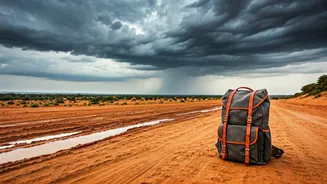
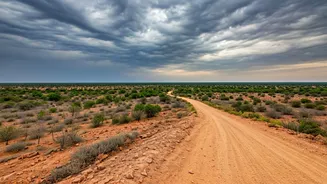
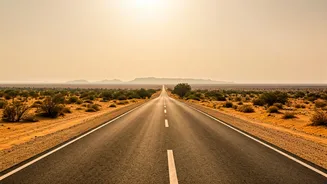
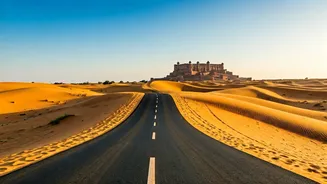
differently. The conversation is shifting from when to go, to how to go. A successful trip is no longer just about avoiding the summer months of April to June, where temperatures can soar above 45°C. It's now about building an itinerary that actively works with the weather, whether it's scorching heat or pouring rain. This means planning sightseeing for cooler parts of the day, choosing hotels with the right amenities, and even embracing seasons that were once considered off-limits.
Strategy 1: Embrace the Monsoon Magic
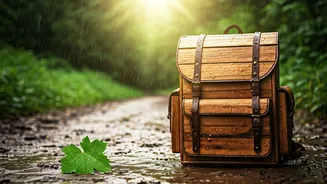
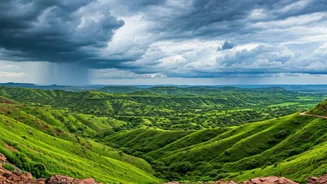
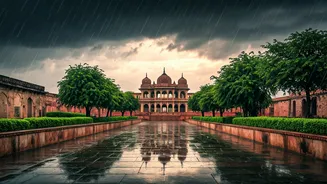
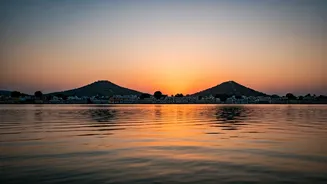
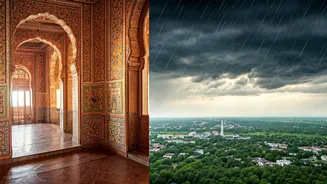
Once overlooked, the monsoon season (July to September) is Rajasthan's rising star for savvy travellers. The rains bring a dramatic transformation, washing the dust away, filling the lakes, and cloaking the Aravalli Hills in lush greenery. This is not the time for a desert safari in Jaisalmer, as the arid western parts don't turn green. Instead, the strategy is to focus on specific regions that come alive. Udaipur, the 'City of Lakes', becomes exceptionally romantic as Lake Pichola and Fateh Sagar swell with water. Mount Abu, the state's only hill station, offers a cool, misty retreat. Bundi, with its ancient stepwells and forts, becomes a hidden gem enveloped by clouds. Travellers are discovering that the monsoon offers fewer crowds, lower hotel prices, and a uniquely atmospheric experience, provided you pack a raincoat.
Strategy 2: The Shoulder Season Advantage
For those not ready to commit to either peak winter crowds or monsoon showers, the shoulder seasons offer a strategic sweet spot. This includes the months just before and after the peak winter season, such as October and March, as well as the tail-end of the monsoon in September. September, in particular, is hailed by some as the most underrated month. It combines the best of both worlds: the landscape is still green from the rains, but the downpours are less frequent, the heat is manageable, and prices remain low before the peak season rush begins. This period allows for a more relaxed exploration of popular sites without the jostling crowds, making it a clever choice for budget-conscious and crowd-averse travellers.
Strategy 3: Master the Maharaja's Schedule
Even the challenging summer months can be conquered with the right approach. The 'Maharaja's Schedule' strategy involves structuring your days to avoid the peak heat. This means early morning and late evening explorations. Forts and palaces are best visited shortly after sunrise, followed by a retreat to an air-conditioned hotel, a cool pool, or indoor activities during the blistering afternoon hours. Sightseeing can resume in the late afternoon as the temperature begins to drop, culminating in pleasant evening rooftop dinners. This approach not only mitigates the discomfort of the heat but also offers a more peaceful and intimate experience at iconic monuments, which are often deserted during the off-season. It's a strategy that requires a shift in mindset, prioritising comfort and experience over a packed, non-stop itinerary.
Your Modern Weather-Ready Toolkit
A modern Rajasthan trip requires modern tools. Reliable weather apps are essential for making real-time decisions, especially during the unpredictable monsoon. Packing lists have also evolved. For a monsoon trip, quick-dry clothing, waterproof footwear, and mosquito repellent are non-negotiable. For a summer trip, the focus is on light, breathable cottons, wide-brimmed hats, and high-SPF sunscreen. Beyond clothing, the choice of accommodation is now a key part of the strategy. A hotel with a good pool and strong air conditioning is a must for summer, while a stay with scenic, covered balconies might be perfect for enjoying the monsoon rains. The strategy extends to transport, with air-conditioned vehicles being a crucial component for any road trips during the hotter months.