

The Undeniable Boost of Greenery
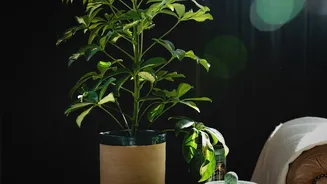
Before diving into the 'how', let's talk about the 'why'. Numerous studies show that having plants in your workspace is more than just a visual upgrade. Greenery is linked to reduced stress, improved concentration, and a greater sense of well-being. Plants
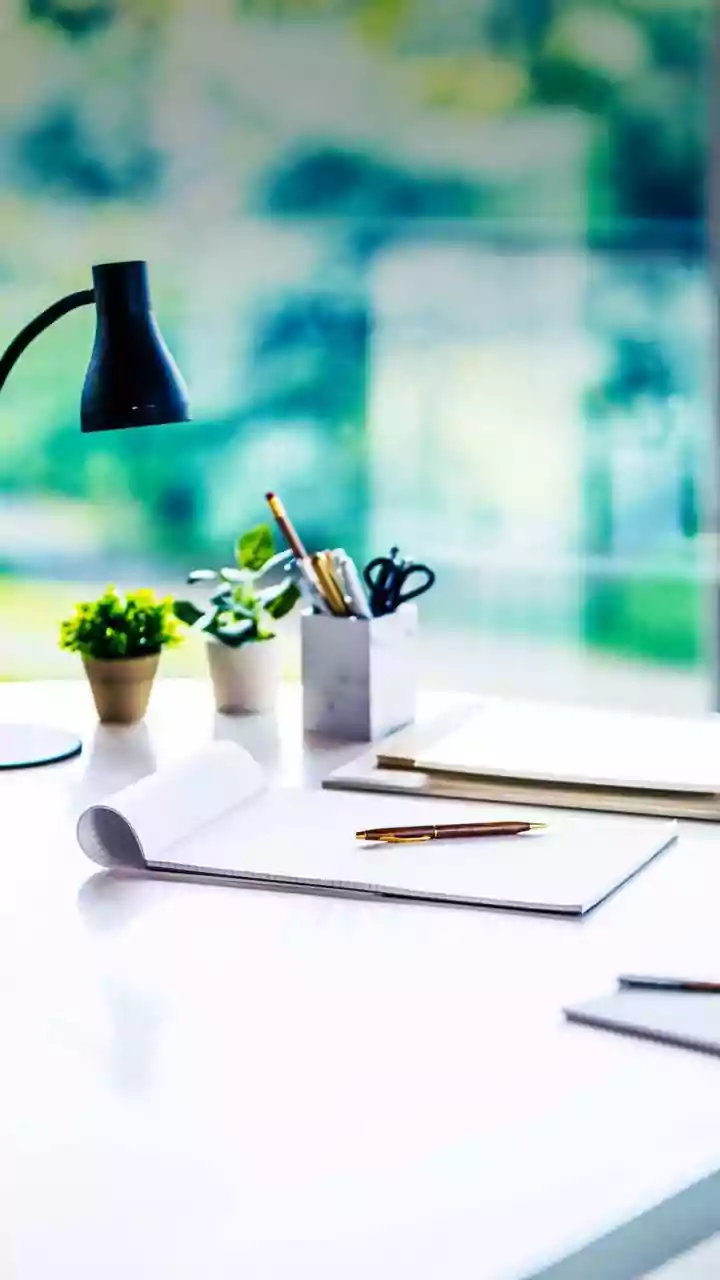
act as natural air purifiers, helping to remove common toxins and regulate humidity, which can be especially beneficial in stuffy home offices. In short, adding a plant isn't just decorating; it's an investment in a healthier, happier workday. The goal isn't to create a dense jungle, but to strategically place nature where it can soften the hard lines of technology and furniture, making your workspace feel more human and inspiring.
Choose Plants That Thrive on Neglect
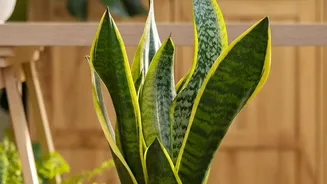
The key to a successful desk garden is choosing plants that can handle the typical office environment: lower light and forgiving watering schedules. You're not looking for high-maintenance divas. Think tough, resilient, and beautiful. Excellent choices include the Snake Plant (Sansevieria), known for its air-purifying qualities and tolerance for low light. Pothos, with its trailing heart-shaped leaves, is famously hard to kill and will even droop to let you know when it's thirsty. Succulents, miniature cacti, and ZZ Plants are also fantastic, requiring minimal watering. For something truly low-effort, consider an Air Plant (Tillandsia), which requires no soil at all—just a weekly soak.
Think Vertically to Save Space
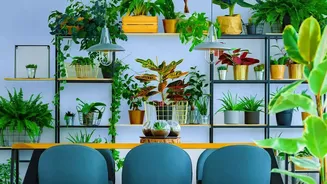
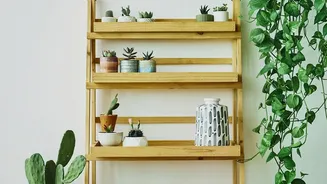
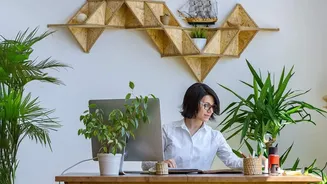
When desk space is at a premium, the only way to go is up. Vertical gardening isn't just for large walls; the principles can be scaled down for your desk. Consider a small, tiered shelf to hold multiple small pots. You can find mini ladder-style planters or even repurpose a spice rack. Another simple hack is using hanging planters. A single hook attached to a shelf above your desk can support a trailing plant like a Spider Plant or Pothos, drawing the eye upward and freeing up valuable surface area. This approach adds layers and dimension, making your small green corner feel more intentional and lush without creating clutter.
Get Creative with Containers
The planter is just as important as the plant itself. It's an opportunity to inject personality into your workspace. Move beyond basic terracotta pots and explore more unique options. Old mugs, interesting bowls, or vintage tins can make for charming, one-of-a-kind planters (just be sure to add drainage if possible). There is a growing market for fun, sculptural pots, from geometric shapes to whimsical, leggy figures that sit on the edge of a shelf. Choosing a stylish container transforms a simple plant into a piece of decor that complements your overall desk aesthetic.
Arrange with Purpose: The Rule of Three
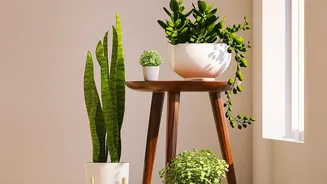
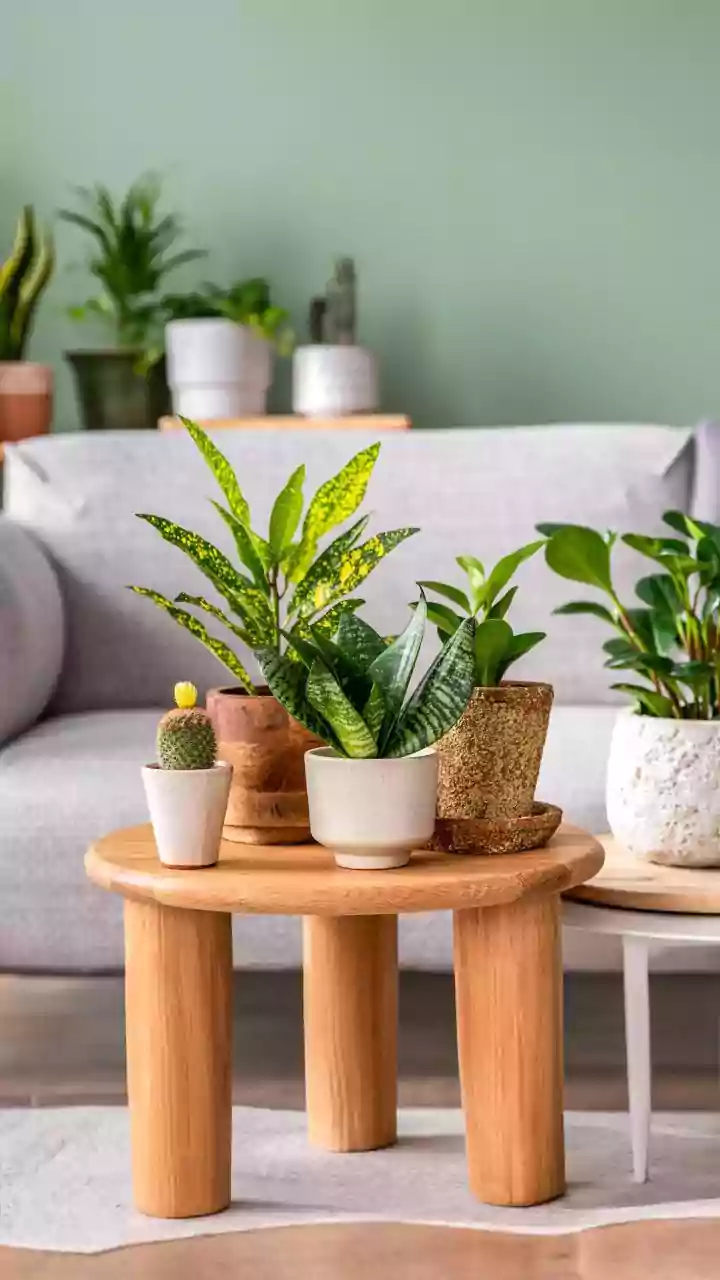
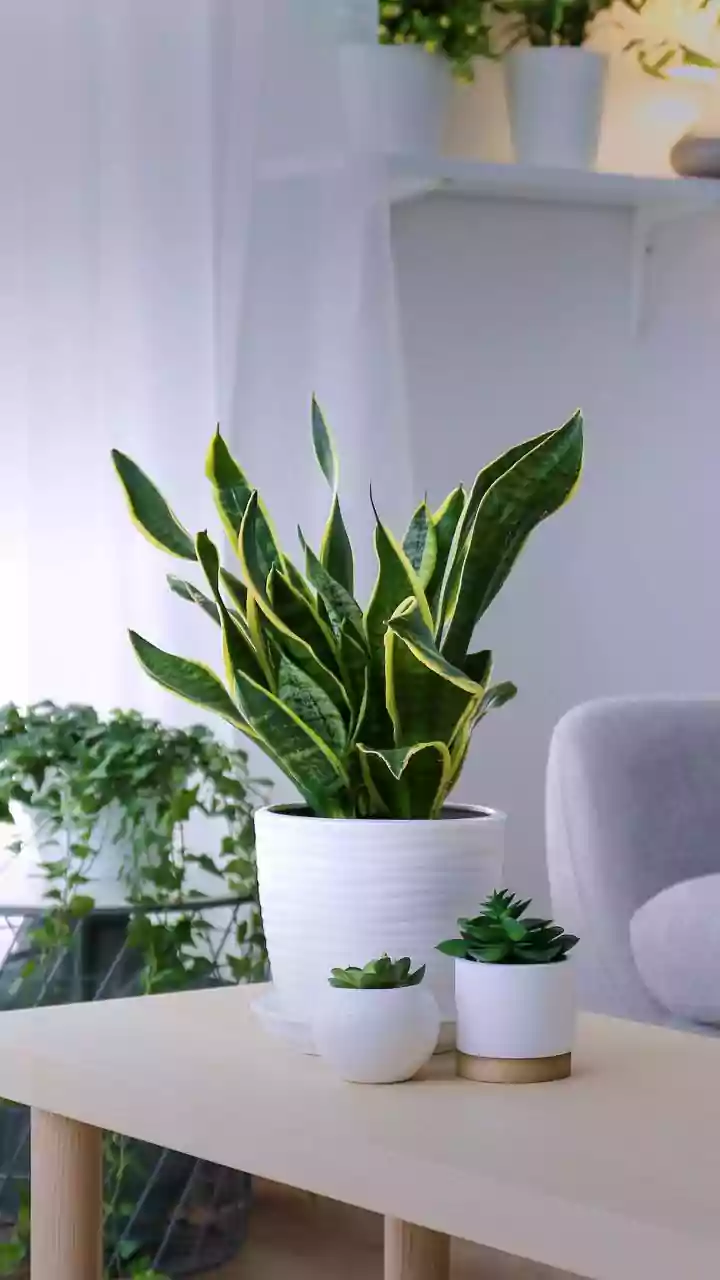
Styling your plants like a designer often comes down to a simple principle: the rule of three. Grouping plants in odd numbers, particularly threes, is more visually appealing and natural-looking than even-numbered arrangements. Try combining three small plants of varying heights, textures, and shapes. For instance, pair a tall, upright Snake Plant with a fuller, leafy fern and a small, sculptural succulent. This creates a dynamic 'focal point' rather than a lineup of disconnected pots. This small cluster will have a much bigger impact than three separate plants scattered across your desk, making the corner feel like a deliberate green sanctuary.
Embrace the Zen Garden Alternative
If live plants feel like too much of a commitment, a desktop Zen garden offers a similar sense of calm and a touch of nature without the need for watering or sunlight. All you need is a shallow dish or tray, some fine sand, and a few smooth stones. The act of raking the sand into patterns can be a meditative break during a stressful day. You can add a single, hardy air plant or a piece of moss to the arrangement for a hint of green. This minimalist approach brings a sculptural, peaceful element to your desk, turning an empty corner into a space for mindful focus.