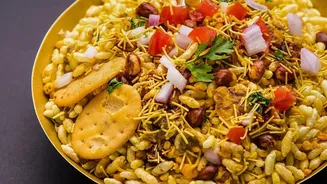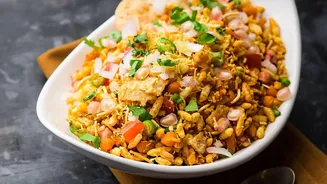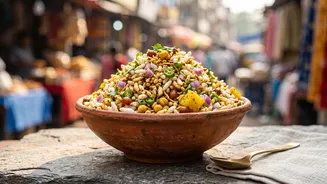


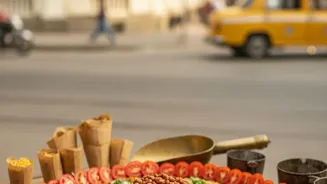
Jhalmuri is more than a snack; it’s an experience served in a paper cone. This iconic Bengali street food is a whirlwind of textures and tastes, but one ingredient provides the crucial, satisfying crunch that holds it all together: the peanut.
The Symphony in a Cone
To understand
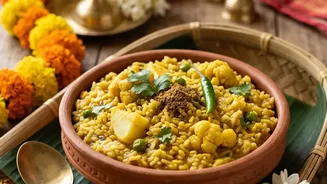
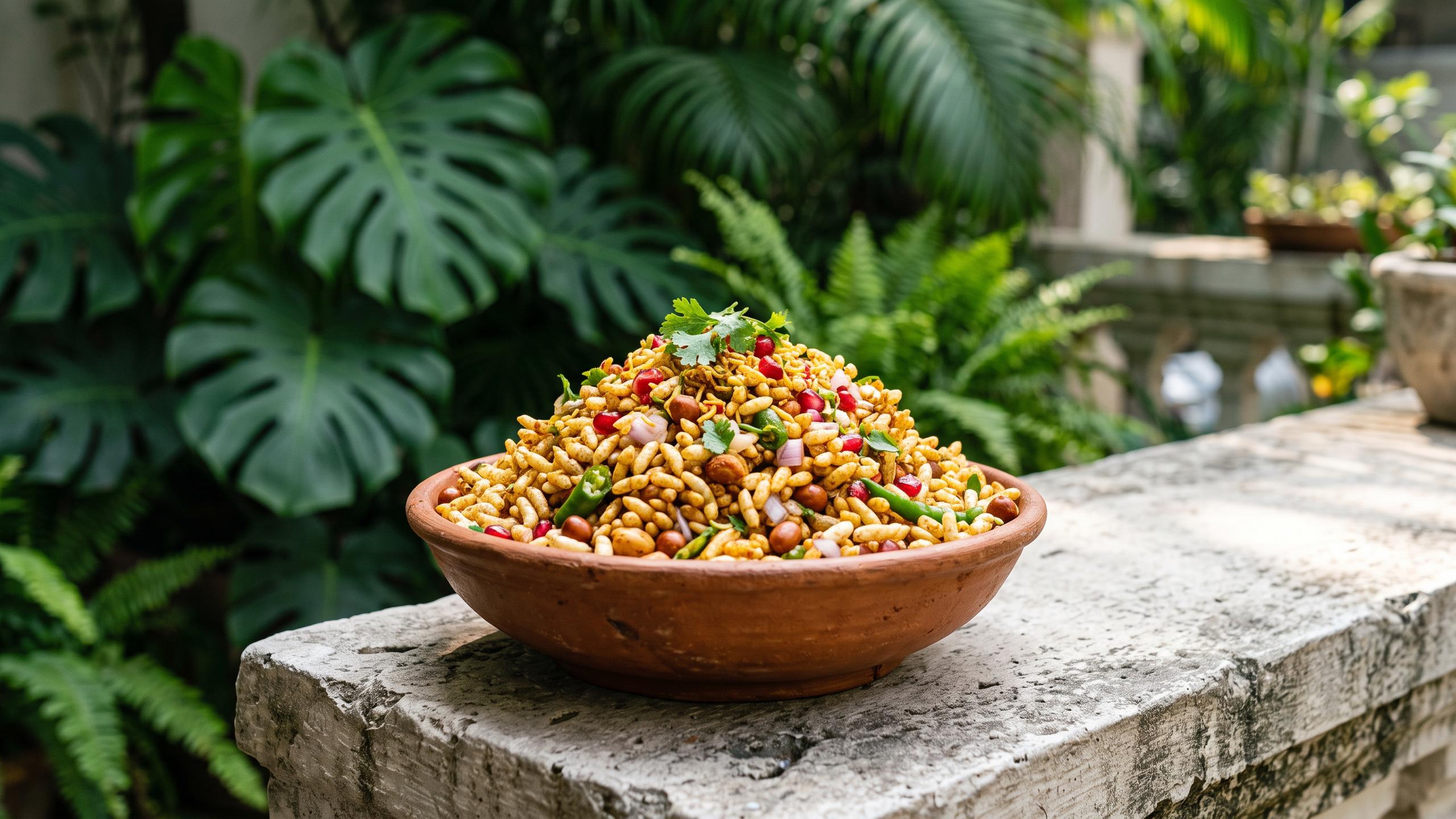
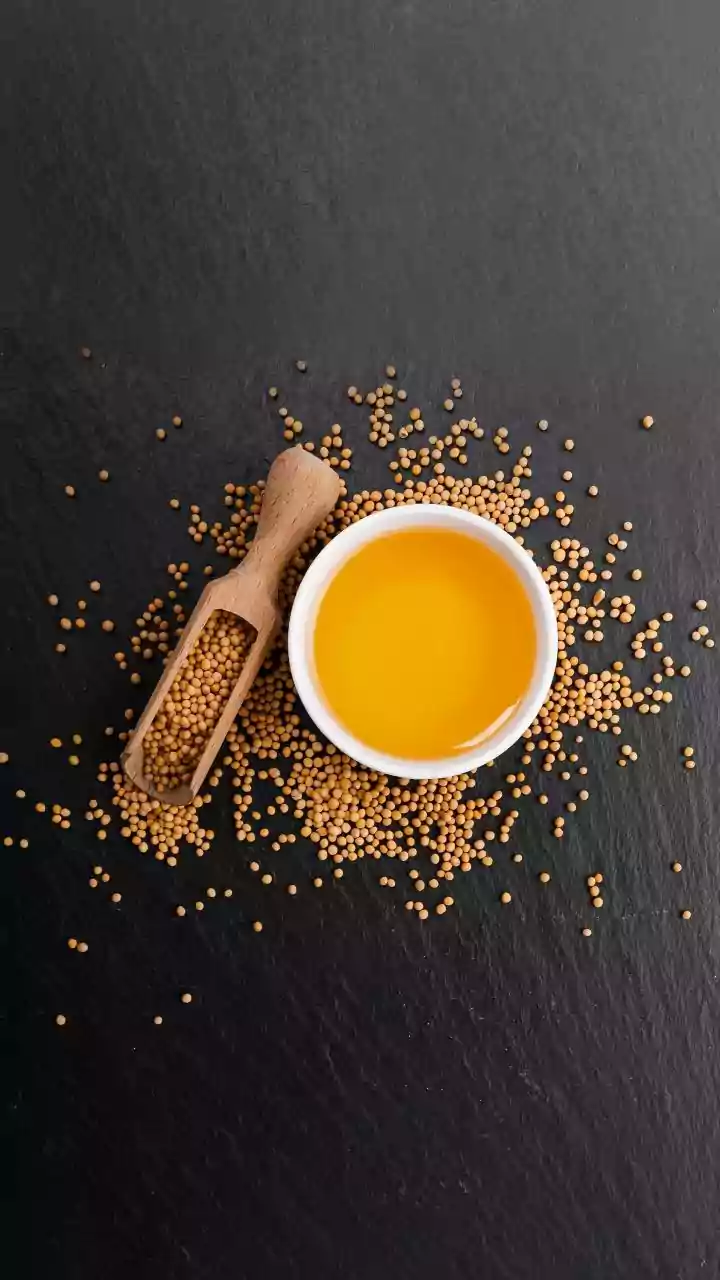
the peanut's role, one must first appreciate the orchestra it performs in. Jhalmuri, whose name translates to 'spicy puffed rice', is a masterful blend of simple yet vibrant components. The foundation is 'muri', or puffed rice, which is light and airy. Into this base, a vendor tosses a flurry of fresh ingredients: finely chopped onions, tomatoes, green chillies, and sometimes boiled potatoes or cucumber. Then comes a mix of spices, often a special 'muri masala', chaat masala, and a drizzle of sharp, pungent mustard oil, which is non-negotiable for the authentic Bengali taste. This entire concoction is a celebration of contrasts—soft potato against crisp onion, tangy lemon against fiery chilli.
The Peanut's Starring Role
Amidst this complex medley, the peanut asserts itself not with overpowering flavour, but with its definitive texture. While the puffed rice is light and the vegetables add a fresh crispness, the roasted peanuts deliver a hard, solid, and deeply satisfying crunch. This textural contrast is fundamental to the Jhalmuri experience. Each spoonful offers a different combination, but the reliable crackle of a peanut provides a recurring point of satisfaction. It prevents the snack from becoming monotonous, acting as a sturdy anchor in a sea of lighter, softer ingredients. The sound of the crunch is as much a part of the experience as the taste itself.
Prepared for Perfection
The peanuts in Jhalmuri are rarely raw. They are typically roasted, sometimes with a bit of salt, to intensify their nutty flavour and, most importantly, to maximize their crunch. This preparation ensures they remain firm and don't soften too quickly when mixed with the other ingredients and the mustard oil. Some vendors might use fried peanuts, which adds another layer of richness. This careful preparation distinguishes them from other components. While the puffed rice is delicate and must be eaten quickly to avoid sogginess, the roasted peanut is resilient, holding its form and texture until the very last bite, providing a consistent, delightful bite throughout.
A Balancing Act of Flavour
Beyond its textural contribution, the peanut plays a crucial role in balancing the flavours. The rich, earthy, and slightly sweet taste of the nut provides a perfect counterpoint to the sharp pungency of the mustard oil and the tang of lemon juice or amchur (dry mango powder). The fatty quality of the peanut helps to mellow the intense heat from the green chillies, coating the palate and providing a moment of nutty relief. It grounds the otherwise high-pitched notes of spice and acid, adding a layer of savoury depth that makes the snack moreish and complex. Without the peanut, the symphony of flavours would risk being too sharp, too spicy, or too tangy; the peanut is the essential bass note that holds the melody together.
A Bite of Culture and Nostalgia
Ultimately, the peanut in Jhalmuri is more than just an ingredient; it's a part of a cultural memory. Jhalmuri is the flavour of train journeys, afternoon chats with friends ('adda'), and walks along the riverfront. It’s a snack that is intrinsically linked to the rhythm of everyday life in Bengal and beyond. That humble, crunchy peanut is a key part of this sensory landscape. It’s the dependable crunch that punctuates conversations and the satisfying bite that has made Jhalmuri an iconic and beloved street food, not just in Kolkata but across India and even in cities like London and New York where the Bengali diaspora has taken it.