







Why Monsoon Weakens Our Defences
The monsoon season, while romanticised, creates a perfect storm for health issues. The high humidity allows viruses and bacteria to thrive, increasing the risk of infections like the common cold, flu, and stomach bugs. Water-logging can lead to a rise
in water-borne diseases like typhoid and cholera. Furthermore, according to Ayurvedic principles, the digestive fire ('agni') is believed to be at its weakest during this time, making us more susceptible to indigestion and illness. This combination of external threats and internal vulnerability is why a defensive, immunity-focused diet becomes not just a trend, but a seasonal necessity.
The Return to Traditional Wisdom
The concept of an 'immunity-led' diet isn't new; it's a return to the time-tested advice passed down through generations. For centuries, Indian households have adapted their cooking to the seasons. Our grandmothers instinctively knew to serve warm, freshly-cooked meals, brew herbal concoctions ('kadha'), and use specific spices to ward off illness. What's changing is our renewed appreciation for this wisdom, now often backed by modern nutritional science. As we seek more natural and holistic ways to maintain health, these age-old dietary principles are being embraced again for their simplicity and effectiveness in strengthening the body's natural defences.
Embrace Warm, Cooked Foods
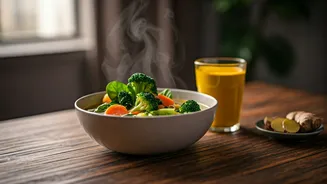
One of the cardinal rules of a monsoon diet is to favour warm, cooked meals over raw ones. Raw vegetables and salads, especially leafy greens, can be difficult to digest and may carry microbes due to the increased moisture in the environment. Cooking food not only kills harmful bacteria but also makes it easier for a weakened digestive system to process. Think light, nourishing meals like dal, khichdi, and vegetable stews. Steamed or stir-fried vegetables are a much safer and healthier bet than a cold salad during this season. This simple switch can significantly reduce the load on your gut and help maintain its health.
Harness the Power of Spices
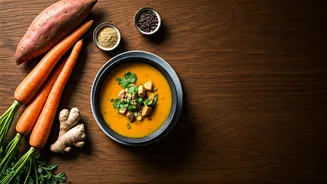
Indian kitchens are a veritable pharmacy, and the monsoon is the perfect time to use your spice box strategically. Turmeric (haldi) is a powerhouse of curcumin, a compound with potent anti-inflammatory and antioxidant properties. A pinch in your milk or dal can go a long way. Ginger (adrak) is excellent for digestion and soothing sore throats, while garlic (lehsun) is known for its antibacterial and antiviral effects. Black pepper (kali mirch) not only adds flavour but also enhances the absorption of nutrients, particularly curcumin from turmeric. Incorporating these spices into your daily cooking is an easy way to give your immune system a consistent boost.
Focus on Seasonal Fruits and Vegetables
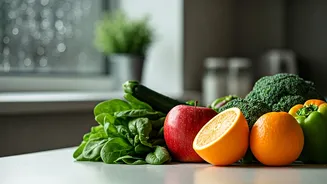
Nature provides the best foods for each season. During the monsoon, opt for vegetables like bottle gourd (lauki), bitter gourd (karela), and pointed gourd (parwal), which are light on the stomach and packed with essential nutrients. When it comes to fruits, choose those with high Vitamin C content like amla, jamun, and cherries. It's generally advised to be cautious with fruits that have very high water content and to avoid eating pre-cut fruits from street vendors to minimise infection risk. A bowl of warm vegetable soup is perhaps one of the best immunity-boosting meals you can have.
Prioritise Gut Health with Probiotics
A healthy gut is the foundation of a strong immune system. The monsoon can disrupt the delicate balance of your gut flora. Including probiotics in your diet is crucial to support it. Yoghurt (dahi) and buttermilk (chaas) are excellent, easily available sources of good bacteria. They aid digestion and help line the gut with a protective layer of healthy microbes. However, Ayurveda suggests avoiding dahi at night. You can also include fermented foods like idli or dosa, which are not only light and digestible but also beneficial for your gut microbiome.