




The Post-Pandemic Fitness Revolution
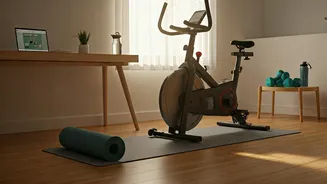
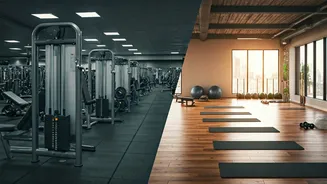
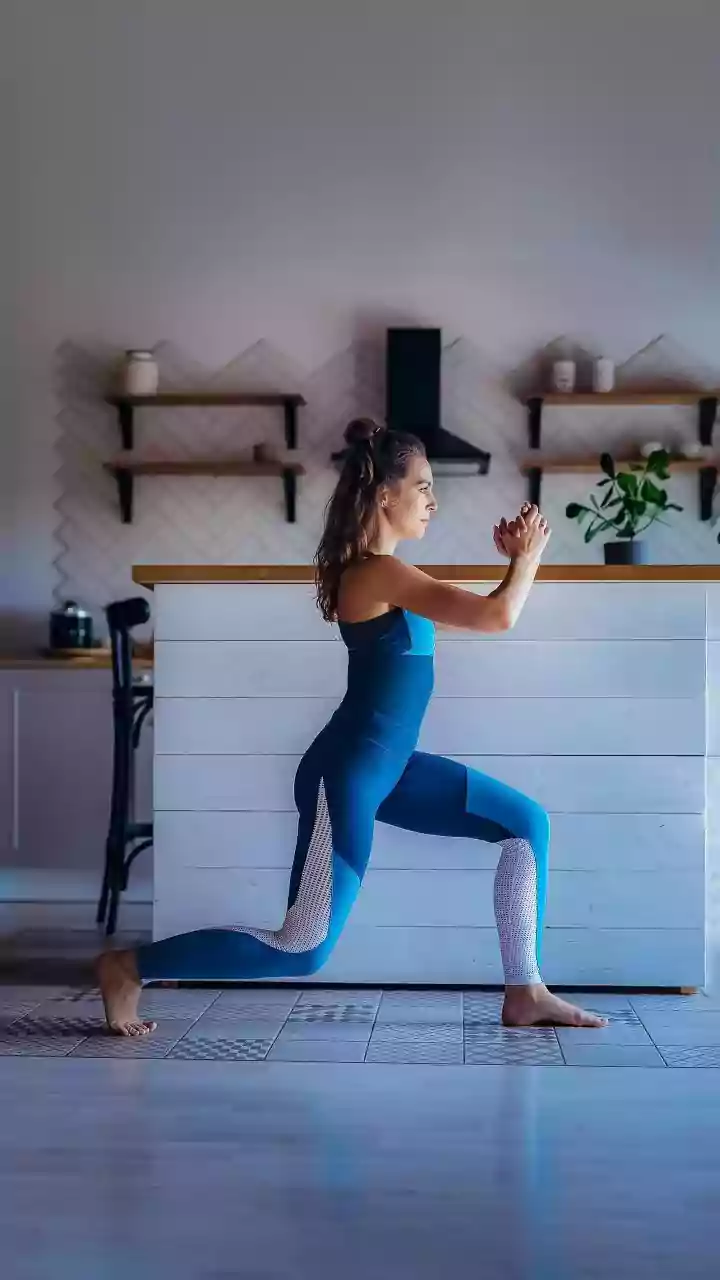
It’s impossible to talk about the boom in home workouts without mentioning the global pandemic. When gyms closed their doors in 2020, millions of Americans were forced to find new ways to stay active. Kitchens became yoga studios and bedrooms became weight
rooms. This necessity didn't just create a temporary workaround; it fundamentally rewired our relationship with exercise. People invested in Peloton bikes, resistance bands, and kettlebells, creating a home fitness infrastructure that outlasted lockdowns. More importantly, it broke the psychological barrier that exercise had to happen in a specific, often intimidating, public space. The gym was no longer the only temple of fitness; our homes were now valid venues, and social media became the new locker room where everyone shared what they were doing.
Why Fitness Thrives on Short-Form Video
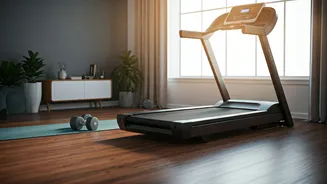
The rise of platforms like TikTok and Instagram Reels provided the perfect stage for this new era. Fitness content, once the domain of glossy magazines and long YouTube tutorials, was perfectly suited for the short-form video format. A 30-second clip can demonstrate a perfect squat form, showcase a quick and effective ab circuit, or provide a time-lapse of a “treadmill strut” (like the viral 12-3-30 workout). The audio-driven nature of these apps adds another layer. A trending sound can turn a simple set of lunges into a viral challenge, encouraging thousands to try it themselves. This format is digestible, easily shareable, and creates a sense of immediacy and participation that a static photo or lengthy article simply can't match. It’s fitness as entertainment, packaged for a generation with a short attention span.
The Rise of the Relatable Influencer
Before this boom, fitness influencers often felt like a remote, chiseled elite. They had six-pack abs, perfect lighting, and seemingly endless free time. The new wave of fitness creators dominating social feeds is different. They are often more relatable, showing up in their messy living rooms, admitting when a workout is hard, and sharing their genuine struggles alongside their progress. This authenticity resonates deeply. Viewers see someone who looks like them, lives like them, and is navigating fitness without a professional camera crew. This has democratized fitness influence, but it's a double-edged sword. While it makes fitness feel more accessible, it also means that advice often comes from uncertified enthusiasts, blurring the line between personal journey and professional guidance.
More Than a Workout, It’s a Community
What truly makes these home workouts rule our feeds is the element of community. A hashtag isn't just a label; it's a gathering place. When someone posts their version of a dance cardio challenge or joins a live-streamed yoga class, they aren't just exercising—they're participating in a shared cultural moment. The comment sections are filled with encouragement, questions, and camaraderie. This digital connection fills a void, especially for those who find traditional gyms isolating or unwelcoming. It transforms the solitary act of working out at home into a collective experience, providing the motivation and accountability that many people crave without the pressure of in-person interaction.
The Unseen Pressures of Performing Wellness
For all its benefits, the dominance of home workouts on social media has a significant downside. The constant stream of transformation photos, perfect workout sets, and hyper-optimized morning routines can create a new form of pressure. It can feed into comparison culture, making users feel guilty for resting or for not having a body that fits a certain aesthetic. Furthermore, the spread of misinformation is rampant. Viral “hacks” for weight loss or muscle gain from unqualified creators can be ineffective at best and dangerous at worst. The pressure to constantly document and “perform” wellness can turn a healthy habit into a source of anxiety, another metric to be optimized for public consumption.