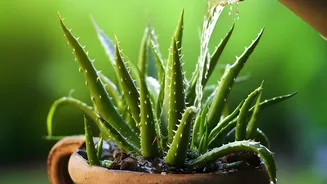




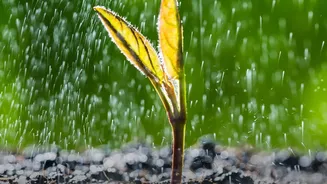


Check the Soil First, Always
The single most important rule of monsoon watering is to never water on a fixed schedule. The ambient humidity and frequent rain mean your soil stays moist for much longer. Before even thinking about watering, perform the simple 'finger test'. Insert
your index finger about two inches into the soil. If the soil feels cool and damp, your plant has enough moisture and you should wait another day or two before checking again. If it feels dry at that depth, then it's time to water. This simple, two-second check is the best way to prevent the number one monsoon gardening problem: overwatering. Forgetting this step can lead to waterlogged soil, which suffocates the roots as it deprives them of the oxygen they need to function.
Inspect Your Pot's Drainage
Good drainage is non-negotiable during the rainy season. Before the monsoon truly sets in, and periodically throughout, you should inspect your pots. Ensure the drainage holes at the bottom are not clogged with compacted soil, roots, or other debris. If water cannot escape freely, even a single downpour can leave the roots sitting in stagnant water, creating a perfect storm for root rot and fungal diseases. If you use saucers or trays under your pots, make sure to empty them regularly after it rains. A simple way to improve drainage and airflow is to elevate your pots slightly using pot stands or a few bricks. This small gap allows excess water to drain away completely and prevents the base of the pot from sitting in a puddle.
Look for Early Signs of Overwatering
Your plants will tell you when they are getting too much water, but the signs can be subtle at first. One of the most common indicators is yellowing leaves, particularly the lower ones. Unlike underwatered leaves which feel dry and crispy, the leaves of an overwatered plant often feel soft or even mushy. Another counterintuitive sign is wilting. A plant can droop even when the soil is wet because the waterlogged roots are suffocating and can no longer deliver moisture and nutrients to the rest of the plant. Also, pay attention to the soil surface; the appearance of green algae, mould, or mushrooms is a clear signal that the soil is staying too wet for too long.
Assess Recent Rainfall
Don't assume that because it has rained, all your plants have been watered. Plants on a covered balcony, under a wide eave, or shielded by larger foliage may receive very little rainwater and can still dry out. Conversely, plants in the open may be completely saturated. It is crucial to assess each plant individually. A light drizzle might not penetrate the soil deeply, while a heavy downpour can provide more than enough water for several days. A simple rain gauge can help you track how much precipitation your garden has actually received, allowing you to make a more informed decision and saving you from unnecessarily watering an already soaked plant.
Consider the Type of Potting Mix
The soil you use plays a huge role in how it handles monsoon moisture. Heavy, dense soils like clay will retain a lot of water and are prone to becoming waterlogged. A good potting mix for the monsoon season should be light, airy, and well-draining. Mixes that contain components like cocopeat, sand, perlite, or compost allow excess water to pass through quickly while still retaining enough moisture for the roots. If you notice that your pots are staying wet for several days after a rain, it might be a sign that the soil is too dense. The monsoon can be a good time to repot plants that are in poor soil, as the high humidity helps reduce transplant shock.
Check for Pests and Fungal Growth
High humidity and damp conditions are an open invitation for pests and fungal diseases. Before you water, take a moment to inspect your plants closely. Look under leaves and around the stems for common monsoon pests like mealybugs or signs of fungal infections. Watering already-stressed plants can make them more vulnerable. It's also important to ensure good air circulation around your plants by not crowding them too closely together. Pruning overcrowded branches can help improve airflow, allowing foliage to dry faster after rain and making the environment less hospitable for fungal spores to take hold.