




The Ultimate Comfort Food
There are foods, and then there are feelings. Kadhi Chawal belongs firmly in the latter category. For millions across India, it’s not just a meal; it's a hug in a bowl. It’s the taste of childhood, of mother’s cooking, of lazy Sunday afternoons. The dish,
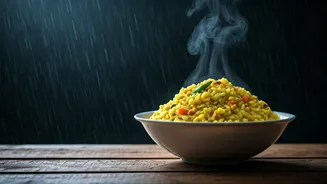
in its beautiful simplicity, transcends culinary trends and fads. It’s a constant, a reliable source of comfort that we return to time and again, especially when the grey skies of the monsoon make us seek warmth and nostalgia. This isn't about haute cuisine; it's about 'ghar ka khana' at its most profound, evoking a sense of safety and contentment that few other dishes can match.
A Symphony in a Bowl
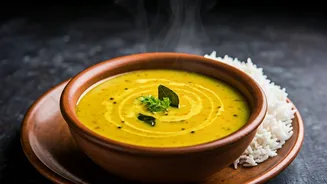
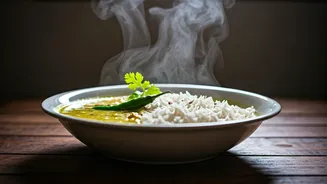
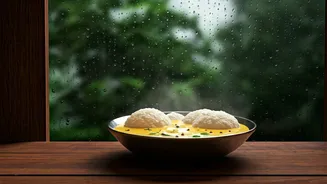
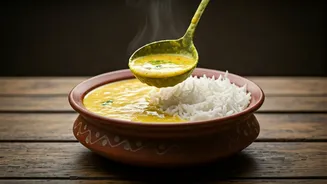
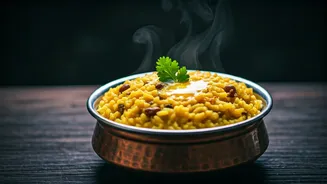
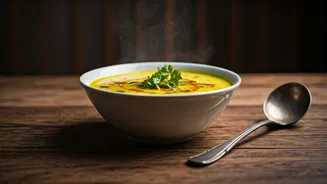
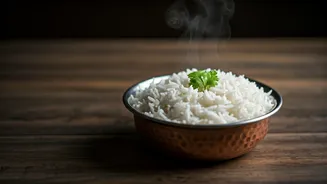
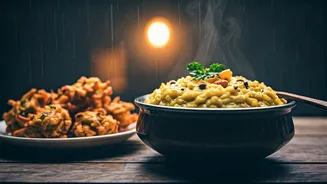
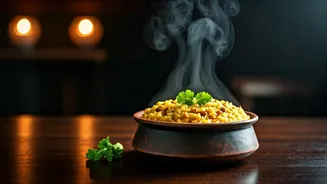
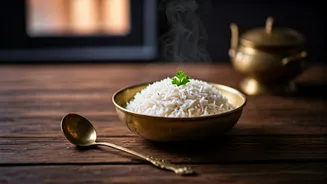
What makes Kadhi Chawal so irresistible? It’s a masterful balancing act of flavours and textures. You have the kadhi itself—a creamy, flowing river of yoghurt (dahi) and gram flour (besan), slowly simmered to perfection. It’s tangy, savoury, and subtly spiced. Then you have the pakodas (fritters) bobbing in it, little sponges of besan and spices that have soaked up all the deliciousness. Some regional variations keep it plain, letting the kadhi shine. And all of this is poured over a bed of perfectly steamed, fluffy rice (chawal), which acts as a neutral canvas, absorbing the kadhi’s vibrant personality. The final flourish is often a 'tadka' or tempering of ghee, mustard seeds, cumin, dried red chillies, and curry leaves, which sizzles as it hits the kadhi, releasing an aroma that is pure culinary magic.
The Perfect Monsoon Logic
The connection between Kadhi Chawal and the monsoon is more than just a craving; there's a traditional wisdom to it. The monsoon season is a time when the digestive system (or 'agni') is considered to be weaker, according to Ayurvedic principles. Heavy, oily foods can be difficult to process. Kadhi, being a light, warm, and soupy preparation, is easy on the stomach. The use of fermented yoghurt makes it a good source of probiotics, aiding gut health. Spices like turmeric, ginger, and asafoetida (hing), commonly used in its preparation, are known for their digestive and anti-inflammatory properties. It’s a meal that not only satisfies the soul but also nourishes the body in a way that is perfectly suited to the season’s demands. It warms you from the inside out, fighting off the damp chill of the rains.
A Dish with Many Faces
While the core concept remains the same, Kadhi Chawal wears different hats across India. The Punjabi version is often thick, spicy, and packed with soft besan pakodas. Head west to Gujarat, and you’ll find a much sweeter, thinner kadhi, often without pakodas, reflecting the region's love for a sweet and sour flavour profile. The Rajasthani kadhi is unapologetically spicy and tangy, a perfect counterpoint to the state's heavier dishes like dal baati churma. In the Sindhi community, a tomato-based kadhi with vegetables is a Sunday staple. Each variation is a reflection of local tastes and ingredients, but the emotional core of the dish—as a source of comfort and joy—remains universal. It’s a testament to India’s culinary diversity, united by a common thread of deliciousness.
Completing the Experience
While Kadhi Chawal is a hero on its own, the sidekicks often elevate the meal to legendary status. A crispy papad, roasted or fried, provides a delightful crunch. A simple side of sliced onions and green chillies, perhaps with a squeeze of lemon, adds a fresh, pungent kick. Some households serve it with a dry vegetable preparation (sabzi) or a spoonful of spicy pickle (achar). These accompaniments add layers of texture and flavour, turning a simple meal into a full-fledged feast. It’s about creating a personal thali of comfort, where every element plays its part in the symphony of satisfaction.