




Embrace the Steamer
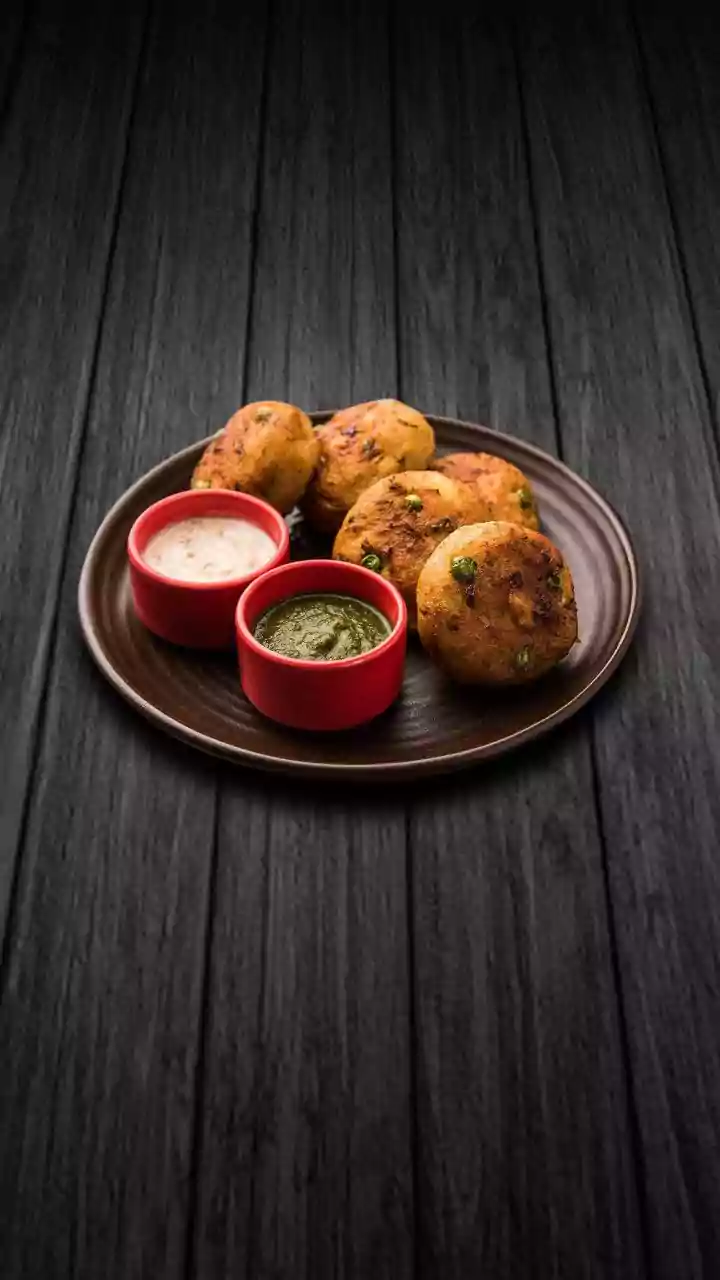
The monsoon often triggers a desire for hot, fried snacks like pakoras and samosas. [17] A simpler and healthier way to satisfy this craving is by embracing steam. Steaming food is a quick process that preserves nutrients without adding extra oil. Think
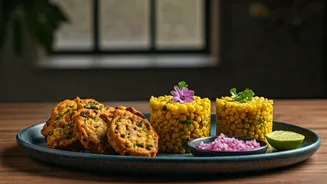
of fluffy, steamed dhokla, soft idlis, or savoury momos paired with a spicy chutney. [12] These options provide the same comforting warmth as their deep-fried cousins but are lighter on the stomach and easier to digest, a significant advantage during a season when digestive capacity can be sluggish. [9] Choosing to steam instead of fry is a simple switch that lets you indulge without the guilt or heaviness. [11]
Fall in Love with Soups
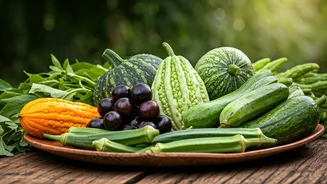
There's nothing quite like a warm bowl of soup on a rainy day. Soups are the ultimate one-pot wonder, easy to prepare and incredibly versatile. Use seasonal vegetables like lauki (bottle gourd), carrots, and peas to create a nourishing and hydrating meal. [7, 5] A simple tomato rasam, loaded with pepper and garlic, can help clear sinuses and keep you warm. [20] Adding ingredients like ginger, garlic, and turmeric not only enhances the flavour but also boosts your immunity, which is crucial during the monsoon when infections are more common. [2, 5] Soups are a simple way to get a variety of nutrients while staying cosy.
Rethink Your Snack Game
The urge to snack is undeniable when it's pouring outside. Instead of reaching for oily, deep-fried options, consider some simple yet satisfying alternatives. Roasted bhutta (corn on the cob), seasoned with lime, salt, and masala, is a quintessential monsoon snack that's both delicious and healthy. [13, 17] Another great option is roasted makhana (fox nuts), which are high in protein and have a satisfying crunch. [13, 14, 16] You can also try baking snacks like samosas or sweet potato wedges instead of frying them, which significantly reduces the oil content while keeping the flavour. [3, 15]
Discover One-Pot Wonders
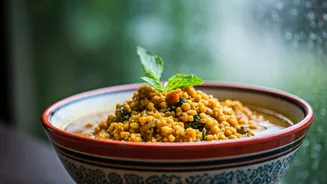
The monsoon is the perfect time for comforting, easy-to-digest meals. One-pot dishes like khichdi are highly recommended during this season. [13, 19] Made with rice and moong dal, it’s a complete meal that's light on the stomach and provides a good balance of protein and carbohydrates. [5, 9] You can enhance its flavour and nutritional value by adding seasonal vegetables and a spoonful of ghee. [5] Other simple one-pot options include vegetable pulao or a hearty dalia, which require minimal effort but deliver maximum comfort and nourishment. [2, 18]
Hydrate with Warmth
While it's easy to forget to drink water when the weather is cool, staying hydrated is essential during the monsoon. Warm beverages are particularly comforting and beneficial during this time. A classic adrak chai (ginger tea) not only warms you up but also aids digestion. [13] Other excellent choices include herbal teas with ingredients like tulsi, mint, and cinnamon, or a soothing cup of haldi doodh (turmeric milk) before bed to help prevent colds and coughs. [5] These warm drinks help maintain your fluid intake while providing additional health benefits.
A Note on Food Safety
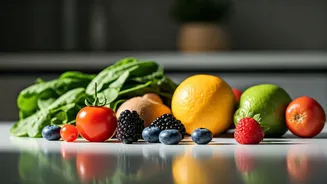
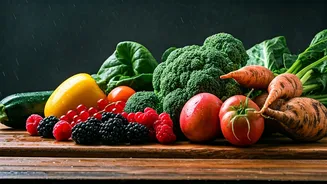
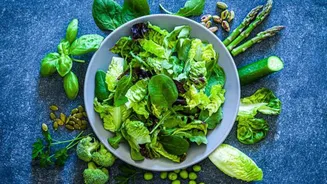
The high humidity during the monsoon creates an ideal environment for bacteria to thrive, making food safety paramount. [7, 10] It's advisable to avoid raw foods like salads and uncooked sprouts, as they carry a higher risk of contamination. [4, 7, 19] Opt for thoroughly cooked meals and ensure that all fruits and vegetables are washed properly, preferably in clean water. [4, 10] Be cautious with street food, and if you do indulge, choose vendors who maintain high standards of hygiene and serve freshly cooked hot food. [2, 10, 12] Storing leftovers promptly in the refrigerator and reheating food thoroughly before consumption are also simple but effective practices. [10]