




1. Munnar, Kerala: Tea Gardens in the Clouds
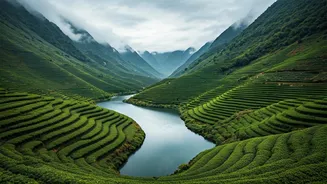
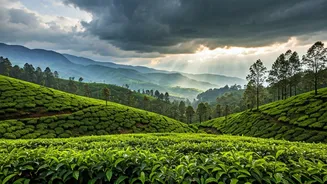
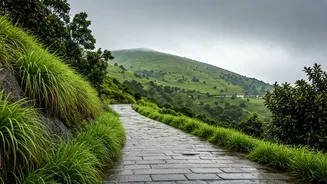
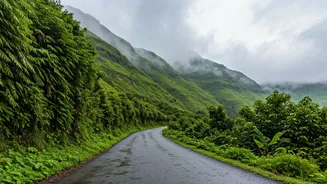
While many tourists flock to Kerala’s backwaters, the hill station of Munnar offers a different kind of magic during the monsoon. From June to September, the sprawling tea plantations are washed clean, glowing with an almost supernatural emerald hue.
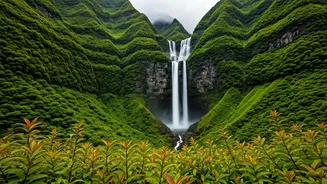
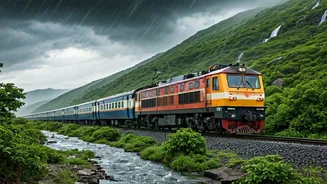
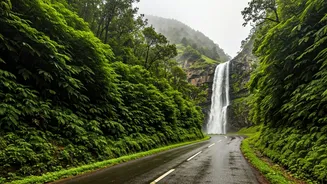
Low-hanging clouds and a persistent, romantic mist drift through the valleys, creating a serene and introspective atmosphere. It’s the perfect place to curl up with a book and a cup of fresh tea while watching the rain dance on the leaves. The crowds are thinner, and the waterfalls, like Attukal and Lakkam, are at their most spectacular.
2. Coorg, Karnataka: The Scotland of India
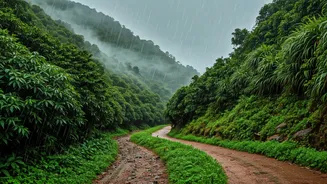
Known for its coffee plantations and Kodava culture, Coorg (or Kodagu) transforms into a verdant paradise during the monsoon. The air is thick with the smell of wet earth, blooming flowers, and roasting coffee beans. It’s a trekker's dream, with trails leading to breathtaking viewpoints like Mandalpatti, where you can stand above a sea of clouds. The famous Abbey Falls roars with life, and the drive through the rain-soaked Western Ghats is an adventure in itself. This is the ideal spot for travelers looking for an active, nature-filled escape.
3. Shillong, Meghalaya: Abode of the Clouds
Meghalaya literally translates to "abode of the clouds," and it more than lives up to its name during monsoon. The capital, Shillong, is a charming hub surrounded by some of the wettest places on Earth. A short drive takes you to Cherrapunji and Mawsynram, where you can witness the full power of the monsoon. Waterfalls like Elephant Falls and Nohkalikai Falls are thunderous spectacles. This isn’t a place to hide from the rain; it’s a place to celebrate it. The unique Khasi culture and vibrant local music scene provide a perfect counterpoint to the dramatic weather.
4. Udaipur, Rajasthan: A Desert Jewel Reborn
Visiting a desert state during the monsoon might seem counterintuitive, but that’s exactly what makes it a hidden gem. After the scorching summer, the rains bring a welcome coolness to Udaipur. The city’s famous lakes, Pichola and Fateh Sagar, fill up, reflecting the washed-clean Aravalli Hills and majestic palaces. The entire city sheds its dusty summer coat for a romantic, vibrant green. Enjoy the city’s stunning architecture, like the Monsoon Palace (Sajjan Garh), which was built specifically to watch the monsoon clouds roll in.
5. Valley of Flowers, Uttarakhand: Nature's Carpet
This one requires some planning and a bit of trekking, but the payoff is unparalleled. A UNESCO World Heritage site, the Valley of Flowers National Park is only open from June to October, and the monsoon is precisely when it bursts into life. After the snow melts and the rains arrive, the high-altitude valley is blanketed with over 300 species of alpine flowers. The vibrant carpet of colors set against a backdrop of snow-capped peaks and misty clouds is a sight that feels truly once-in-a-lifetime.
6. Mandu, Madhya Pradesh: Ruins in the Rain
Imagine ancient ruins, enveloped in mist and surrounded by lush greenery. That’s Mandu during the monsoon. This historic fort city is dotted with magnificent Afghan-style monuments, tombs, and palaces. The romance of the place is legendary, centered on the story of Prince Baz Bahadur and Rani Roopmati. When the rains arrive, the Baobab trees flourish, the reservoirs fill, and the stone structures seem to whisper tales of their past glory. It’s a photographer’s and historian’s dream, free from the tourist rush of other historical sites.
7. Lonavala, Maharashtra: A Quick-Hit Green Escape
A popular weekend getaway for residents of Mumbai and Pune, Lonavala is often overlooked by international travelers. But during the monsoon, this hill station is a haven of cascading waterfalls and misty hills. Small streams and waterfalls pop up along every roadside, and the views from vantage points like Tiger Point are stunning. It’s the perfect place to sample local treats like hot corn on the cob and chikki (a sweet brittle) while enjoying the cool, rainy weather. It's an accessible taste of the monsoon's transformative power.
8. Kodaikanal, Tamil Nadu: Princess of Hill Stations
While Ooty gets much of the attention, its sister hill station, Kodaikanal, is arguably more charming in the rain. Its name means "The Gift of the Forest," and during the monsoon, the entire area feels like a mystical, enchanted wood. The central star-shaped lake is often shrouded in mist, perfect for a peaceful boat ride. The Coaker's Walk offers dramatic, cloud-filled valley views, and the forests are home to the rare Kurinji flower, which blooms only once every 12 years. It’s a quiet, atmospheric retreat.
9. Wayanad, Kerala: Spices and Waterfalls
Nestled in the Western Ghats, Wayanad is a rural district in Kerala known for its spice plantations, dense forests, and tribal heritage. The monsoon magnifies its beauty tenfold. The landscape is a patchwork of bright green paddy fields and dark green forests. It's the best time to visit Soochipara and Meenmutty Falls, which are in full, glorious flow. You can explore ancient Edakkal Caves or simply enjoy the calming effect of the rain from a homestay nestled within a coffee or cardamom plantation.
10. Luang Prabang, Laos: A Serene Southeast Asian Alternative
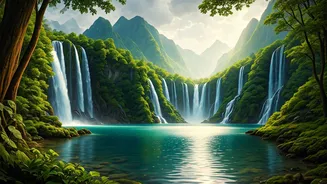
While most of our list is in India, the monsoon's magic extends across Southeast Asia. In the UNESCO-protected town of Luang Prabang, the so-called "green season" means fewer tourists and shockingly vibrant landscapes. The Mekong River runs high, the surrounding jungle is intensely lush, and the famous Kuang Si Falls becomes a multi-tiered turquoise spectacle. The gentle rain showers often pass quickly, leaving behind clean air and a golden light perfect for photography. It's a chance to see this tranquil town at its most peaceful and authentic.