

Mark Your 2026 Calendar
The most critical step is booking your travel for the right dates. For 2026, the main festivities in Kolkata kick off with Maha Shashthi on Friday, 16th October. The celebration continues through Maha Saptami (17th October), Maha Ashtami (19th October), and
Maha Navami (20th October). The grand farewell, known as Vijaya Dashami, when the idols are immersed in the river, takes place on Wednesday, 21st October. While the official festival spans these five days, the festive atmosphere and many pandals are accessible a day or two earlier, starting from Panchami. Arriving by the 15th of October ensures you don't miss the beginning of the grand spectacle.
Embrace the Sea of People
There is no way to sugarcoat it: the crowds during Durga Puja are immense. Millions of people pour onto the streets, especially in the evenings. Instead of seeing this as a hurdle, it's best to embrace it as part of the collective energy. The peak rush at popular pandals happens between 7 PM and 2 AM. To truly appreciate the artistry of the idols and pandals in relative peace, you need a strategy. Seasoned pandal-hoppers swear by two windows: early mornings (roughly 7 AM to 11 AM) or very late at night (after 2 AM). Even then, you might encounter traffic, but the queues will be significantly shorter, allowing you to soak in the details.
A Pandal-Hopping Strategy
Trying to see everything is a recipe for exhaustion. A smarter approach is to divide your time geographically. Dedicate one day to North Kolkata, the heart of the city's traditional 'Bonedi Bari' (old family mansion) pujas and classic community pandals around areas like Shyambazar and Bagbazar. These offer a glimpse into the heritage of the festival. On another day, explore the grand, innovative, and often massive theme-based pandals of South Kolkata. Areas like Ballygunge, Deshapriya Park, Mudiali, and Suruchi Sangha are famous for their artistic spectacles and draw some of the biggest crowds. This 'cluster hopping' minimizes travel time and lets you immerse yourself in the unique spirit of each neighbourhood.
Getting Around the City
During the five main days of Puja, Kolkata's roads can become gridlocked. Your best friend will be the Kolkata Metro. During the peak days of Saptami, Ashtami, and Navami, the metro often runs special all-night services, sometimes operating from early afternoon until 4 AM the next morning, making it the fastest way to travel between the northern and southern parts of the city. Be aware that many roads near major pandals are closed to vehicle traffic, making walking non-negotiable. App-based cabs will be slow and expensive, so rely on the metro for long distances and your feet for exploring pandal clusters. Comfortable shoes are not a suggestion; they are a necessity.
Fuel for the Festival
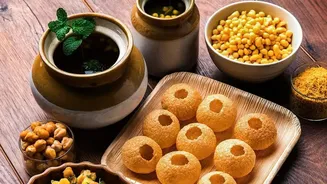
Food is not just a sideshow at Durga Puja; it's a headline act. The streets are lined with stalls selling everything from Kolkata’s iconic kathi rolls to phuchka (the city's zesty version of pani puri). Don't miss the 'bhog'—a traditional vegetarian meal, typically featuring khichuri and a mixed vegetable dish called labra, served free to all visitors at many community pandals, usually around midday. Famous restaurants will have long waiting times, sometimes hours, so be prepared or opt for the delicious and varied street food to keep your energy up. Always carry a water bottle to stay hydrated, as the weather can still be humid and the crowds generate a lot of heat.
Witnessing the Grand Finale
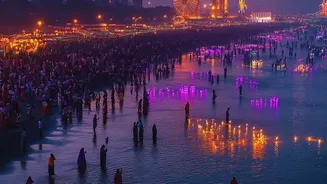
Don't plan your departure before Vijaya Dashami on 21st October. This is the day of 'Bisorjon' or the immersion ceremony, a powerful and emotional spectacle. Processions fill the streets as communities carry their idols to the ghats of the Hooghly river for the final goodbye. The air is filled with the sounds of dhaak (drums) and chants. A key part of the farewell ritual is 'Sindoor Khela', where married women playfully smear vermillion powder on each other. Witnessing the immersions from one of the main ghats offers a poignant and unforgettable end to the festival, capturing the cycle of arrival and departure that defines Durga Puja.