







From Tourist to Transformation Seeker
The traditional Indian family vacation, often a whirlwind of sightseeing and ticking off landmarks, is getting a modern makeover. Young professionals and Gen Z travellers are increasingly looking for more than just a pretty picture for social media; they're
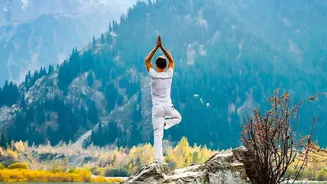
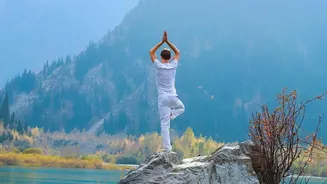
seeking a mental and emotional reset. This has given rise to wellness travel, a booming segment of the tourism industry in India that focuses on promoting holistic well-being. Instead of packed itineraries, these trips are built around experiences that rejuvenate the mind and body, such as yoga, meditation, nature immersion, and, most importantly, a break from the digital noise that defines their daily lives.
The Burnout Generation Logs Off
The primary driver behind this trend is a pervasive sense of burnout. Chronic workplace stress, a culture that often glorifies the 'hustle', and constant digital connectivity have left many young Indians feeling depleted. Burnout is now recognised by the World Health Organization as a clinical condition resulting from unmanaged workplace stress, characterised by exhaustion, cynicism, and reduced efficacy. Travel is no longer seen as a mere indulgence but as essential maintenance. Digital detox escapes are the fastest-growing category within wellness tourism in India, projected to grow significantly as more people seek refuge from device-driven anxiety and the pressure to be 'always on.'
What a Digital Detox Really Means
A digital detox trip is more than just putting your phone on airplane mode. It's a conscious effort to disconnect from digital devices to reconnect with oneself and the physical world. At wellness retreats across the country, from the Himalayas to the backwaters of Kerala, this means swapping screen time for mindful activities. Days are structured around yoga and meditation sessions, Ayurvedic treatments, silent walks in nature, and workshops on mindful living. The goal is to reduce the anxiety and information overload that come from constant social media engagement, improve sleep quality, and enhance real-world connections. By removing the pressure to document and perform online, travellers can have a more authentic and present experience.
The New Travel Checklist
This shift is reshaping what young Indians prioritise when planning a trip. Instead of just searching for popular destinations, many are making decisions based on their emotional needs. The focus is on quiet, nature-based escapes over crowded tourist spots. This has led to the popularity of specialised wellness centres and retreats like Ananda in the Himalayas, Six Senses Vana in Dehradun, and various Ayurvedic resorts in Kerala. The travel industry is responding, with major hotel chains and boutique properties launching integrated wellness programs. These establishments offer personalised nutrition, wellness consultations, and a curated environment designed for rest and reflection, a far cry from a standard hotel stay.
A Search for Authenticity
For many, especially young NRIs, these trips are also a way to reconnect with their cultural roots. India's ancient traditions of Ayurveda, yoga, and meditation offer a deep sense of authenticity that can't be found in fleeting wellness trends elsewhere. This turn towards holistic healing is not just about escaping the present but also about rediscovering a heritage of well-being. It represents a move away from performative wellness—posting a yoga pose online—towards genuine self-care. The journey is becoming internal, focused on personal growth and mental clarity rather than external validation.