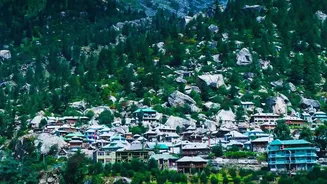







The Rise of the Mountain Workation
The 9-to-5 grind in a bustling metro, followed by a traffic-snarled commute, is a reality many young techies are now happily trading for a more serene alternative. Tucked away in Himachal's Parvati Valley, Kasol has long been a haven for backpackers,
but it's now attracting a new demographic: digital nomads. Following the widespread adoption of remote work, young professionals from cities like Bengaluru, Pune, and Delhi are packing their laptops and heading for the hills. The appeal is obvious—a chance to escape urban monotony, find creative inspiration in nature, and enjoy a better work-life balance. What was once a dream is now a feasible lifestyle, as mountain towns adapt to the needs of this new, connected workforce.
The Wi-Fi Myth, Busted
The biggest question for any professional considering a move to the mountains is about connectivity. For years, the Himalayas were synonymous with patchy networks and digital disconnect. However, Kasol has undergone a quiet transformation. Hostels and cafes are now in a race to cater to the work-from-mountains crowd by offering reliable, high-speed internet. Many establishments now boast fibre broadband connections with speeds that are more than adequate for video conferencing, cloud-based work, and large file transfers. While it's always wise to confirm amenities before booking, the days of Kasol being a complete dead zone for digital work are firmly in the past. Power backup, once a luxury, is also becoming a standard offering to combat intermittent electricity cuts.
Community, Collaboration, and Cafes
Working from a Kasol hostel is about more than just a change of scenery; it's about finding a community. Unlike the isolation that can sometimes accompany working from home, hostels provide a built-in network of like-minded individuals. Common areas and rooftop cafes have transformed into vibrant, informal co-working spaces where developers, designers, writers, and marketers share tables and ideas. These spaces foster an environment of collaboration and social connection. After logging off for the day, the community aspect continues with group treks, bonfire nights, and shared meals, blending professional productivity with social fulfilment.
The Economics of the Escape
A significant driver of this trend is its financial viability. For many young tech professionals, a month-long 'workation' in Kasol can be significantly cheaper than living in a major Indian city. Dorm beds are available for as little as ₹400-₹800 per night, with many hostels offering discounted weekly and monthly rates for long-stay guests. Even with expenses for food at the town's many trendy cafes, a monthly budget can comfortably range from ₹20,000 to ₹30,000. When compared to the high rents, commuting costs, and expensive social life of a city like Mumbai or Bengaluru, Kasol presents an economically attractive alternative that doesn't compromise on quality of life.
Reality Check: It’s Not a Vacation
While the Instagram feeds are filled with stunning mountain vistas and riverside work setups, the reality of a Kasol workation requires discipline. It’s a work-life blend, not a permanent holiday. Challenges remain, such as the occasional network instability, especially in more secluded areas, and the need for self-motivation when trekking trails are just a stone's throw away. The key is to find a routine that balances productivity with the unique experiences the location offers. Successful digital nomads in Kasol are those who treat it as their office, albeit one with a much better view, and save the exploration for after work hours and weekends.