





What 'Karat' Really Means
Before diving into the pros and cons, it's crucial to understand what 'karat' (often abbreviated as 'K') signifies. The karat system measures the purity of gold on a scale of 24 parts. Therefore, 24K gold is considered 99.9% pure gold, meaning all 24 parts are
gold. When you see lower karat numbers like 22K, 18K, or 14K, it means the gold has been mixed with other metals, known as alloys. For instance, 18K gold is 18 parts gold and 6 parts other metals, making it 75% pure gold. These numbers, often stamped on jewellery as '916' (for 22K), '750' (for 18K), or '585' (for 14K), represent the gold's fineness in parts per thousand.
The Trouble with Pure Gold
The primary reason 24K gold is often unsuitable for jewellery is its softness. Pure gold is a highly malleable metal; you could theoretically bend a thin 24K gold bangle with your hands. This softness makes it extremely prone to scratching, denting, and losing its shape with daily wear. Imagine a ring that deforms every time you grip something firmly or a setting that can no longer hold a precious gemstone securely. For this reason, 24K gold is typically reserved for investment purposes, such as coins and bars, where durability is not a primary concern.
Alloys: The Secret to Strength and Colour
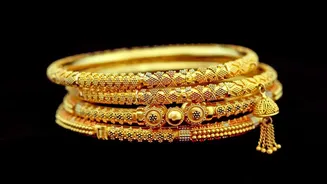
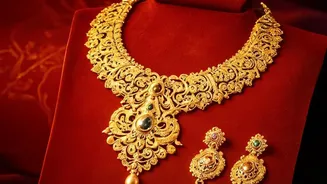
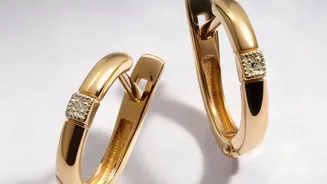
To counteract gold’s natural softness, jewellers mix it with alloys like copper, silver, zinc, nickel, and palladium. These added metals significantly increase the gold's hardness and durability, making it practical for everyday use. In India, 22K gold is a traditional and popular choice, striking a balance between high purity and workable strength. 18K gold is even more durable, making it a global favourite for fine jewellery, especially for pieces like engagement rings that need to withstand constant wear. The alloys also allow for the creation of different colours. The addition of copper creates the warm blush of rose gold, while mixing gold with white metals like palladium or nickel results in the sleek, silvery appearance of white gold.
How to Choose the Right Karat for Your Jewellery
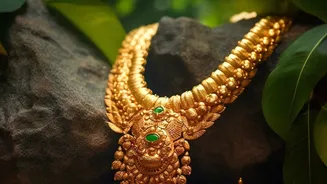
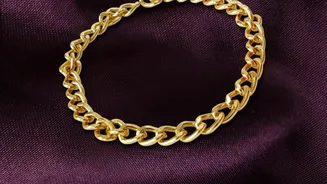
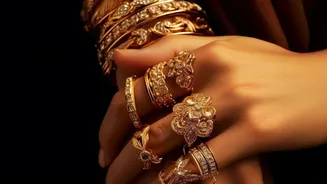
Selecting the best karat depends entirely on the type of jewellery and your lifestyle. For high-contact items that are worn daily, such as rings and bracelets, 14K or 18K gold are excellent choices due to their superior scratch resistance and strength. For pieces that experience less wear and tear, like earrings and pendants, 22K gold offers a beautiful, rich yellow hue with reasonable durability. While 22K is still relatively soft compared to 18K, it is a popular standard for ceremonial and traditional jewellery in India. Ultimately, the choice involves a trade-off: higher karats offer greater purity and a more vibrant yellow colour, while lower karats provide better durability and are often more affordable.
Don't Forget About Hallmarking
Regardless of the karat you choose, ensuring its authenticity is paramount. In India, the Bureau of Indian Standards (BIS) provides a hallmarking system to certify the purity of gold jewellery. A BIS-hallmarked piece will bear a tiny triangular logo, the karat purity and fineness number (e.g., 22K916), and a unique six-digit alphanumeric code known as the Hallmark Unique Identification (HUID) number. This mark is your assurance that you are getting the purity you paid for, as verified by a licensed assaying centre.