




The Science of a Greener Workspace
There's a reason adding plants to your desk feels so good. It’s a concept called biophilia—the idea that humans are instinctively drawn to nature. Bringing natural elements indoors can significantly improve well-being. Studies have shown that employees
in offices with greenery are more productive, creative, and report lower levels of stress. One study noted that just a few houseplants could boost productivity by as much as 15%. Plants can also help reduce feelings of anxiety and fatigue, making them a powerful tool for anyone facing long hours at a desk. They create a healthier, more positive environment that fosters focus and calm.
Think Vertically to Save Space
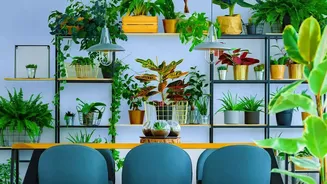
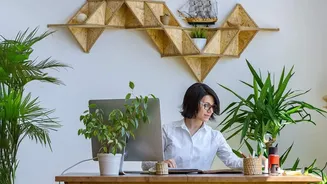
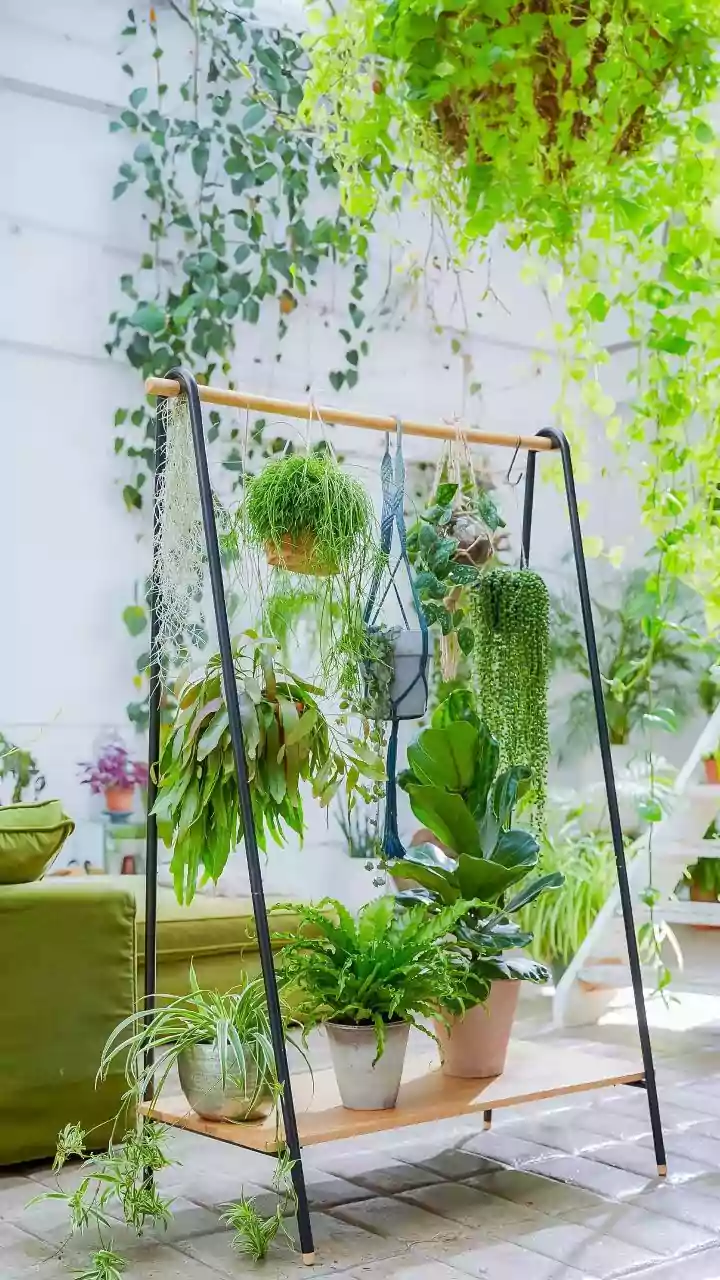
When floor and desk space are at a premium, the only way to go is up. Vertical gardening is a game-changer for small workstations. Instead of cluttering your desk, use walls and the space above your monitor. Floating shelves are perfect for creating a tiered jungle effect with pots of varying sizes. Wall-mounted planters, hanging pocket organisers, or macramé hangers can turn a blank wall into a living piece of art without taking up a single inch of your work area. This approach not only saves space but also draws the eye upward, making the entire room feel taller and more open.
Choose the Right Plants for the Job
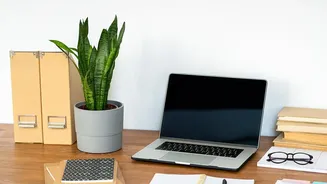
Not all plants are suited for a small desk environment, which may have limited natural light. Opt for low-maintenance varieties that thrive indoors and don't grow too large. The Snake Plant is a top choice, known for its toughness and ability to survive in low light with infrequent watering. Similarly, the ZZ Plant is nearly indestructible and perfect for busy people, as it tolerates neglect well. For trailing greenery that can cascade from a shelf, consider the Pothos (Money Plant), which is easy to care for and grows quickly. These plants are known to be forgiving, making them ideal for beginners and those working in less-than-ideal lighting conditions.
The Power of Grouping and Layering
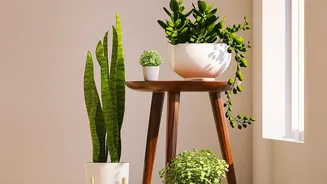
A single, lonely plant on a desk corner often looks like an afterthought. To create a more professional and intentional look, group your plants together. A cluster of three to five small plants on a side table or a dedicated shelf creates a powerful visual focal point. When grouping, play with different heights, textures, and foliage colours to add depth and interest. For a cohesive feel, use pots that share a common colour, material, or style. This simple trick ties the arrangement together, making it look polished and deliberate. This grouping also creates a mini-ecosystem where plants can share humidity, helping them thrive.
Arranging for Depth and Calm
Strategic placement can create an illusion of depth. Place taller, more architectural plants, like a compact Dracaena, in the background or corners to anchor the space. Use medium-sized plants on shelves or the edges of your desk. Finally, add small, compact plants like succulents or a tiny Peace Lily right on your desk, where they won't obstruct your workflow. Trailing plants, like a Spider Plant or Pothos, are excellent for placing on a high shelf, as their hanging vines soften the hard lines of furniture and draw the eye downwards, creating a relaxing cascade of green. This layering of different shapes and sizes makes your workspace feel more dynamic and less confined.