






The Ultimate Recycling Challenge
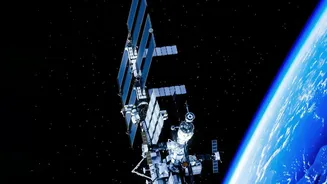
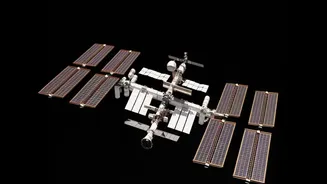
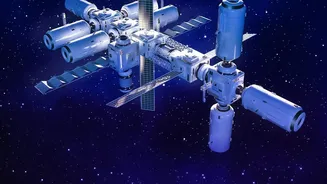
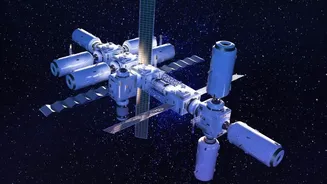
On Earth, our planet's ecosystems naturally scrub the air, produce oxygen, and manage waste. In a sealed environment like the International Space Station (ISS), these functions must be performed artificially. A 'closed-loop' system is designed to regenerate
resources, minimizing the need for costly and infrequent resupply missions from Earth. The Environmental Control and Life Support System (ECLSS) is the heart of the station, a complex network of machines that manage water, waste, and, most critically, the air the crew breathes. This technology is not just about survival; it's a critical enabler for future long-haul journeys to the Moon, Mars, and beyond, where turning back for fresh supplies isn't an option.
Scrubbing Out Carbon Dioxide
Every breath an astronaut takes releases carbon dioxide (CO2). Without removal, this CO2 would quickly build to toxic levels. The primary tool for this on the ISS is the Carbon Dioxide Removal Assembly (CDRA). This system pulls cabin air through beds of tiny, porous crystals called zeolites, which act as a molecular sieve. One type of zeolite traps water vapor, and another traps CO2 molecules, letting the now-cleaner air pass through. Unlike the expendable lithium hydroxide canisters used on earlier missions like Apollo, these zeolite beds are regenerative. They can be exposed to the vacuum of space and heated, which vents the captured CO2 overboard and prepares the beds to be used again, making the system highly sustainable.
Making Oxygen from Water
Once CO2 is managed, the next challenge is replenishing the oxygen consumed by the crew. The station's Oxygen Generation System (OGS) accomplishes this through electrolysis. This process uses electricity from the station's solar panels to split water molecules (H₂O) into their constituent parts: breathable oxygen and hydrogen gas. The oxygen is vented into the cabin atmosphere to maintain a pressure and composition similar to Earth's sea level. The water itself is a precious, recycled resource, reclaimed from sources like crew members' breath, sweat, and even purified urine via the station's Water Recovery System. This creates a powerful loop where waste water is turned into breathable air.
Closing the Loop with Chemistry
Advanced systems take recycling a step further by reusing the 'waste' products from other processes. The Sabatier system, a key part of Europe's Advanced Closed Loop System (ACLS), combines the CO2 captured by the CDRA with the hydrogen gas produced during oxygen generation. In the presence of a catalyst at high temperature, these two waste products react to form two new, valuable substances: water and methane. The water can be fed directly back into the Oxygen Generation System to create more oxygen, reducing the total amount of water that needs to be supplied from Earth by hundreds of liters per year. The methane is currently vented into space, but this remarkable process closes the loop on oxygen production, turning exhaled breath back into a key ingredient for future breaths.
Filtering the Invisible Threats
Beyond just CO2, the cabin air can accumulate hundreds of other trace contaminants. These can come from the off-gassing of electronics and materials or from the crew's own metabolic processes, including ammonia and methane. The Trace Contaminant Control System (TCCS) acts as the station's air purifier, using beds of activated charcoal to absorb these unwanted organic compounds. For more stubborn contaminants, a high-temperature catalytic oxidizer burns them away, ensuring the air remains safe and free of harmful chemicals. This system is a vital, silent guardian, protecting astronaut health from imperceptible threats that could build up over months in a sealed environment.