





What Exactly Is Ambali?
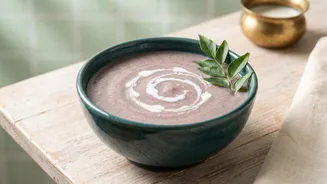
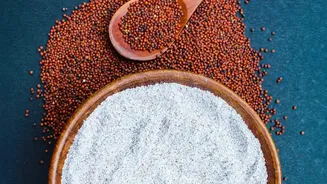
Ambali is a traditional beverage from Southern India, with deep roots in states like Karnataka, Tamil Nadu, and Andhra Pradesh. At its core, it is a simple, nourishing drink made from finger millet (ragi) flour. The process involves cooking ragi flour with water
to form a porridge. This mixture is then allowed to cool and ferment, often overnight, which is what gives the drink its characteristic, mildly tangy flavour. Traditionally, this fermented base is mixed with buttermilk or curd and served savoury, often with additions like salt, finely chopped onions, ginger, and curry leaves. For generations, it has been valued as a staple for its ability to cool the body, especially during scorching summer months.
The Gut-Friendly Powerhouse
A huge part of Ambali's modern appeal lies in its gut-friendly properties, a benefit that comes directly from its fermentation. This natural process encourages the growth of probiotics, the beneficial bacteria that support a healthy digestive system and can improve immunity and even mood. Fermentation does more than just add probiotics; it also breaks down 'anti-nutrients' like phytic acid found in grains. This breakdown makes essential minerals in the ragi, such as iron, zinc, and calcium, much easier for the body to absorb. Finger millet itself is a nutritional powerhouse, being naturally gluten-free and rich in calcium, fibre, and essential amino acids. In fact, ragi contains significantly more calcium than most other cereals.
From Rural Staple to Urban Chic
So why is a drink, once considered food for farmers, suddenly appearing on the menus of trendy wellness cafes? The answer lies in a perfect storm of modern health trends. There's a massive global interest in gut health and the power of fermented foods like kimchi and kefir; Ambali is India’s own time-tested answer to this movement. This is coupled with a growing 'back-to-roots' philosophy where health-conscious city dwellers are actively seeking out indigenous superfoods and authentic recipes over processed alternatives. Cafes are not just serving the old recipe; they are reimagining it. You might find Ambali served in a chilled glass garnished with mint, infused with spices like cardamom, or even used as a base for smoothies. This modern makeover makes the ancient beverage accessible and appealing to a new generation.
A Taste of Tradition
The traditional flavour profile of Ambali is earthy and slightly sour, with a smooth, thin porridge-like consistency. It’s refreshing rather than heavy. While the classic savoury version with buttermilk, salt, and chopped onions is the most common, the drink is versatile. It can be served simply with a pinch of salt, or customised with green chillies and fresh coriander. There is also a sweet version, where the ragi porridge is mixed with jaggery and sometimes milk instead of buttermilk, though this is less common. Whether enjoyed in a rustic steel tumbler or a stylish cafe glass, the drink offers a unique taste that connects the drinker to a long and healthy culinary heritage.