
Why Venus Shines So Bright
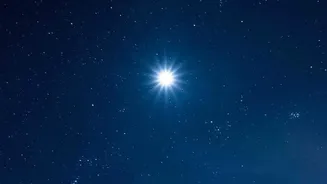
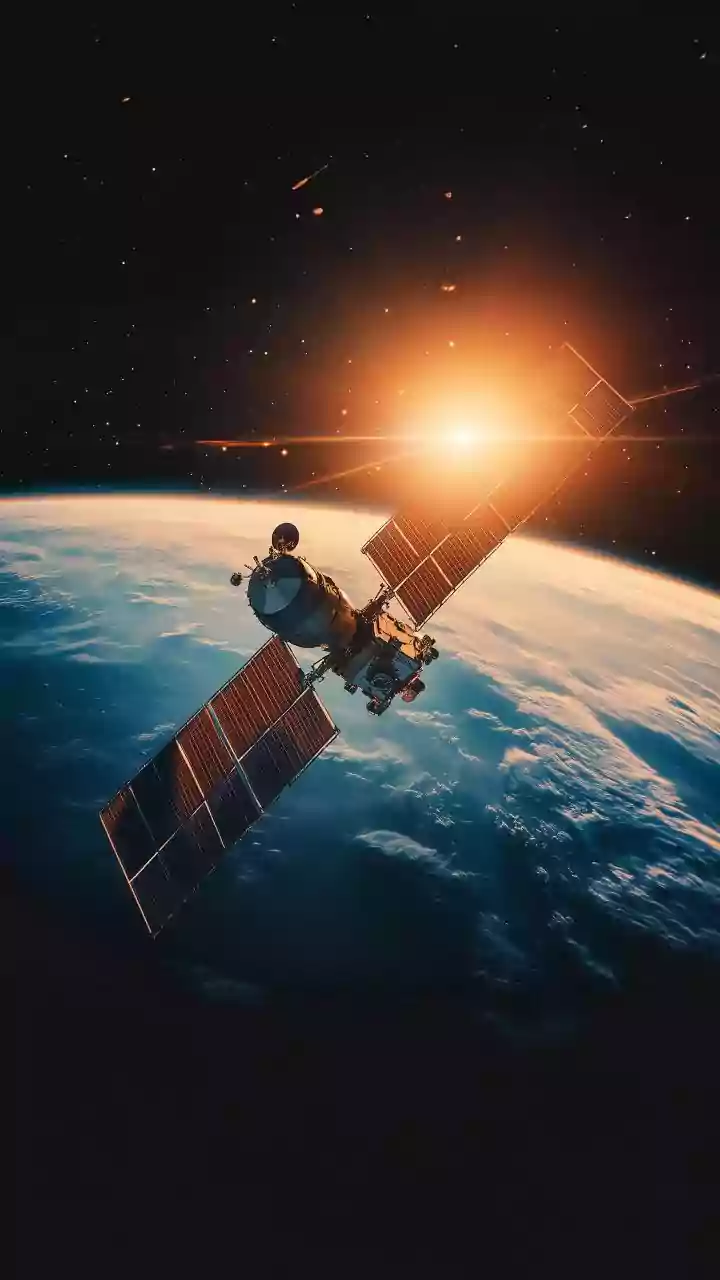
Throughout September 2026, Venus will be an unmissable beacon in the evening twilight. Its brilliance isn't by chance. The planet is relatively close to Earth in its orbit, and its thick, highly reflective clouds bounce a tremendous amount of sunlight
back into space, making it the brightest object in our night sky after the Moon. This month is particularly special because Venus is approaching what astronomers call its “greatest brilliancy.” Around September 18th to the 22nd, it will peak at a dazzling magnitude of -4.8, shining more than 150 times brighter than Sirius, the brightest star in the night sky. This is when it reaches its maximum illuminated area as seen from Earth, a perfect balance of its proximity to us and the size of its sunlit crescent.
Best Night for a Celestial Duet
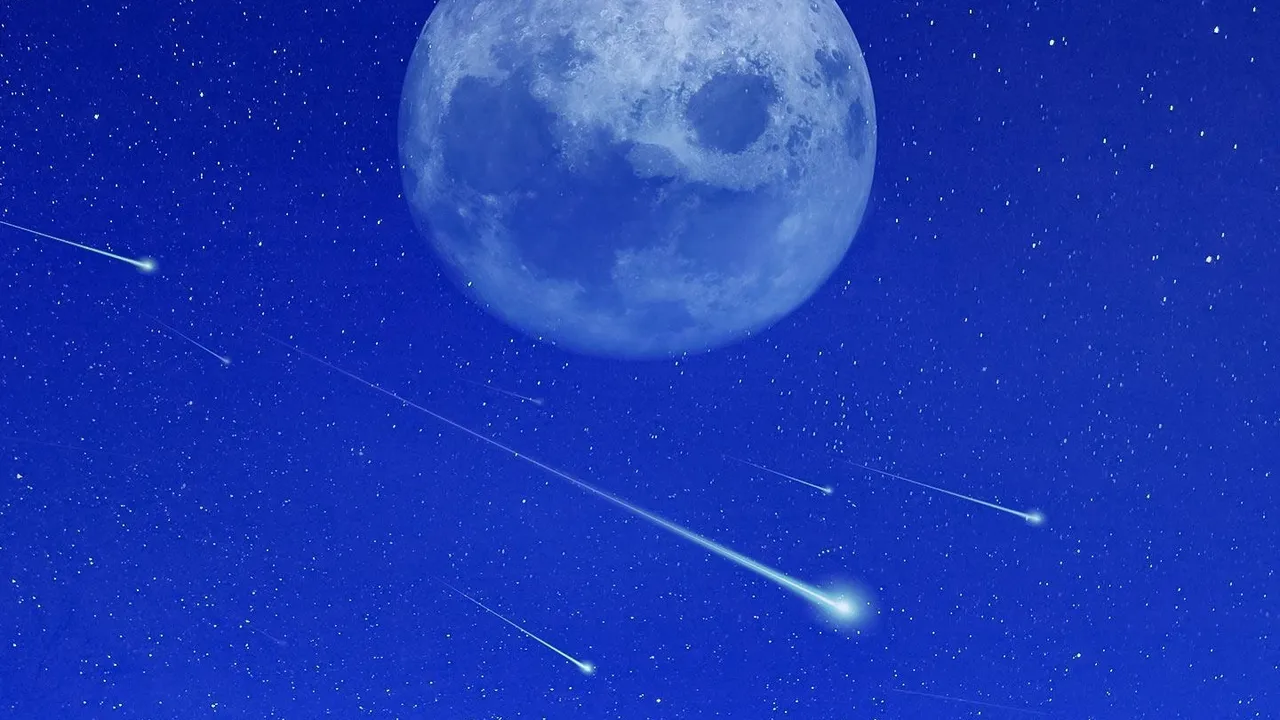
While the planet is a stunning sight all month, mark your calendar for the evening of September 14th. On this night, a slim, waxing crescent Moon will appear beautifully close to the radiant Venus in the western sky. This cosmic pairing offers a breathtaking photo opportunity and an incredibly easy celestial event to spot, even from city suburbs. The two will appear for about an hour after sunset before they dip below the horizon. For some observers across Asia, the Moon will actually pass in front of Venus in an event called a lunar occultation. Regardless of whether you see the occultation itself, the close approach of our Moon to the brightest planet makes this evening a true viewing highlight.
Your Step-by-Step Viewing Guide
Spotting Venus requires no special equipment or expertise, making it a perfect activity for families and casual sky-watchers. Here’s how to get the best view:
When to look: The best time is in the hour right after sunset. As the sky darkens from deep blue to black, Venus will pop into view as a brilliant, stationary point of light.
Where to look: Direct your gaze towards the western horizon, the same direction where the sun just set. Venus will be quite low in the sky, so a clear, unobstructed view without tall buildings or trees is ideal.
What you need: Just your eyes! Venus is so bright it’s impossible to miss. However, if you have a pair of binoculars, you might be able to see that Venus has a shape. Just like the Moon, it shows phases, and in September it will look like a tiny, brilliant crescent.
What Else to See in the September Sky
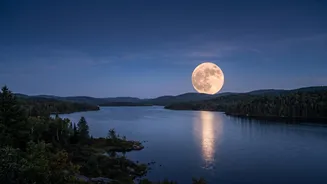
Venus may be the main attraction, but September’s skies have more to offer. Once you’ve spotted Venus, turn your attention to the east. The planet Saturn will be visible for most of the night, appearing as a steady, yellowish point of light. Later in the month, on the night of September 26th, look for the rise of the full “Harvest Moon,” which will also have Saturn shining nearby. For the early risers, the pre-dawn eastern sky features the bright planets Jupiter and Mars, adding another dimension to the month's celestial offerings. The official start of autumn in the Northern Hemisphere also occurs this month with the equinox on September 22nd, signalling longer nights ahead for stargazing.