




What is Surya Namaskar?
Literally translating to 'salutation to the sun', Surya Namaskar is a sequence of 12 yoga postures (asanas) performed in a continuous, flowing motion. Traditionally practised at sunrise to greet the new day, it's a form of expressing gratitude to the sun,
the source of life and energy on Earth. But beyond its spiritual roots, it is celebrated as a comprehensive exercise. When performed at a fast pace, it serves as an excellent cardiovascular workout, and when done slowly, it helps tone muscles while promoting relaxation and mindfulness. This versatility makes it a powerful tool for modern wellness.
A Full-Body Workout in One Flow
The genius of Surya Namaskar lies in how it engages nearly every major muscle group in the body. The sequence is a blend of strengthening, stretching, and balancing. Poses like Plank and Eight-Limbed Pose build upper body and core strength, targeting the arms, shoulders, and chest. The transitions into Downward-Facing Dog and the standing forward bends stretch the hamstrings, calves, and spine, enhancing flexibility. Meanwhile, poses such as the Equestrian Lunge work the leg muscles, including the quadriceps and glutes, improving lower body strength and hip mobility. This integration ensures no part of the body is left untouched.
The 12 Steps of Transformation
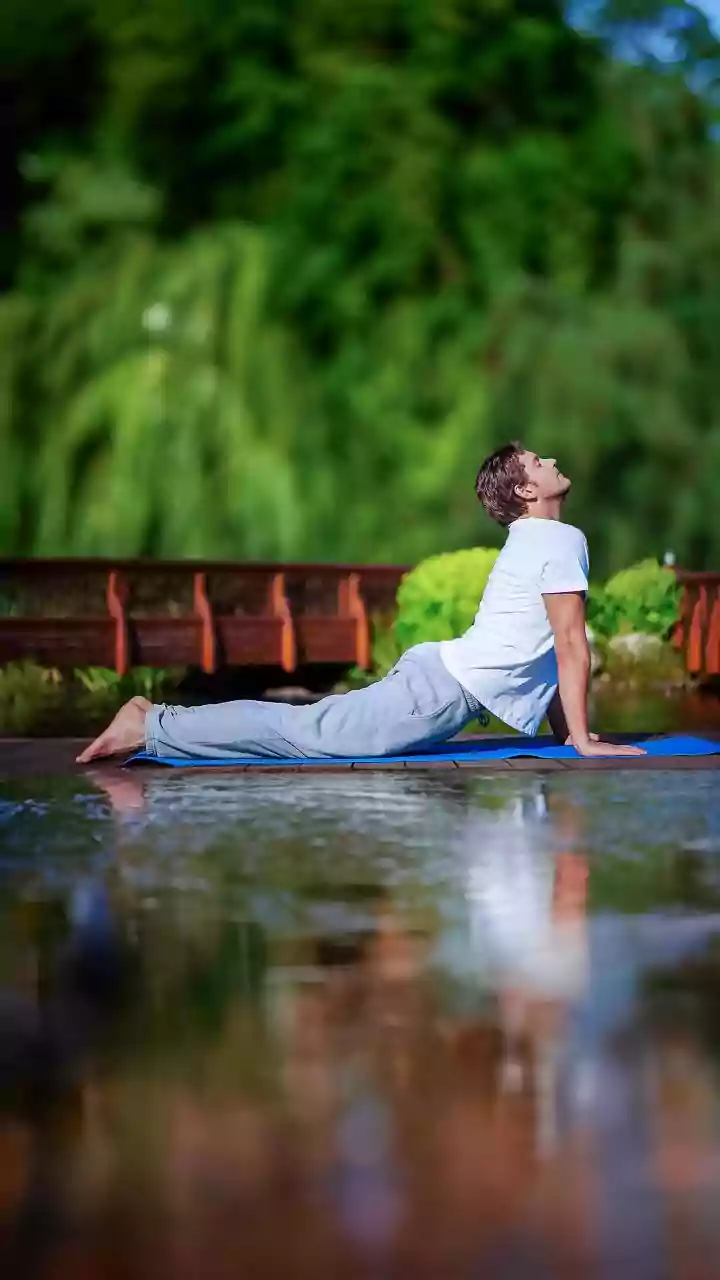
The sequence consists of seven unique asanas, with five repeated to create a 12-step flow. It begins in Pranamasana (Prayer Pose), a centering start. From there, you move into Hasta Uttanasana (Raised Arms Pose), a gentle backbend that stretches the spine. The third step is Hasta Padasana (Hand to Foot Pose), a forward bend that lengthens the hamstrings. This is followed by Ashwa Sanchalanasana (Equestrian Pose), a deep lunge. The flow continues into Dandasana (Plank Pose) to engage the core, and then Ashtanga Namaskar (Eight-Limbed Salutation), where the chest and chin touch the floor. Next is Bhujangasana (Cobra Pose) for spinal strength, followed by a return to a mountain-like pose and a repeat of the earlier postures on the opposite side, bringing you back to the starting position. Each movement is synchronized with the breath—inhaling as you expand or lengthen and exhaling as you fold or contract.
Beyond Physical Strength
While the physical benefits are significant, the effects of a daily Surya Namaskar practice go much deeper. The synchronized breathing calms the nervous system, helping to reduce stress and anxiety. The dynamic movements boost blood circulation throughout the body, which not only energizes you but also contributes to healthier skin and hair. Furthermore, the sequence of forward and backward bends gently massages the abdominal organs, stimulating the digestive system and improving metabolism. Regular practice can also help regulate hormonal balance and improve sleep quality.
How to Begin Your Practice
Starting with Surya Namaskar is simple. It's best performed in the morning on an empty stomach. Find a quiet, clean space where you can move freely. As a beginner, focus on learning the correct form for each of the 12 poses rather than speed. Start with 4 to 6 rounds and gradually increase the number as your strength and stamina improve. There are many online videos and guides that can help you master the sequence. Listening to your body is key; the goal is to feel energized and refreshed, not strained. Over time, the sequence can become a moving meditation, a perfect way to start your day with clarity and intention.