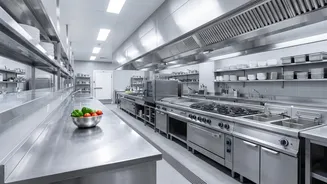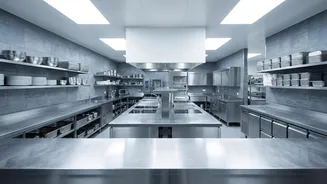








Kitchen and Premise Hygiene
The most fundamental aspect of any inspection is the overall state of the kitchen and premises. Officials are checking for general cleanliness of floors, walls, and ceilings. They are also looking for signs of pest infestations, such as cockroaches, particularly
in food storage areas. Other red flags include blocked drainage systems, which increase contamination risks, and the absence of hot water in utensil-washing areas, a basic requirement for proper sanitation. Notices have been issued to establishments, including prominent clubs, for unhygienic conditions and cockroach infestations found during these checks.
Food Storage and Handling Practices
How food is stored is a major focus for inspectors. A critical violation they are looking for is the improper segregation of vegetarian and non-vegetarian items, which can lead to cross-contamination. Officials are also verifying that food containers are stored correctly, at least 15 cm off the ground, and in a well-lit, clean environment. The checks have uncovered large quantities of meat, fish, and vegetables that were either stored improperly or had gone bad. In recent raids, officials have seized hundreds of kilograms of expired or rotten food from various establishments, including luxury hotels and popular pubs.
Expiry Dates and Labelling
Inspectors are meticulously checking for expired products. Raids have uncovered everything from expired milk and dairy products to stale bakery items, sauces, and even meat that is days past its use-by date. At one club, officials found expired mushroom packets, while at a government canteen, they discovered expired idli, rava, and coconut powder. Beyond expiry dates, officials are also flagging items with missing or non-compliant labelling. This includes products lacking manufacturing dates, expiry dates, or the mandatory FSSAI licence number of the manufacturer, making it difficult to trace the product's origin and safety.
Staff Health and Hygiene
The health and hygiene of food handlers are paramount to preventing the spread of foodborne illnesses. FSSAI guidelines mandate high standards of personal hygiene, including clean uniforms, trimmed nails, and proper head coverings. During inspections, officials look for deficiencies in the personal hygiene of kitchen staff. A key document that has been found missing in some establishments is the medical certificates for food-handling staff, which are required to ensure they are free from infectious diseases. Basic practices like frequent handwashing and avoiding handling food while ill are also part of the compliance checks.
Use of Banned or Unsafe Items
The inspections are also targeting the use of prohibited materials and additives. Officials have been seizing used or non-compliant cooking oil, which can be a significant health hazard. Another point of scrutiny is the use of plastic cutting boards, which can harbour bacteria, instead of safer alternatives. In a broader sense, officials are also sampling food like shawarma and kebabs to check for the use of unpermitted artificial colours, which has led to legal action against some restaurants. The discovery of these banned items often results in immediate seizure and disposal.
Licensing and Documentation
Finally, every food business operator must have a valid FSSAI licence, which should be prominently displayed on the premises. Inspectors verify that the licence is current and appropriate for the scale and type of business being conducted. The recent crackdown has also extended to the supply chain, including warehouses for quick-commerce companies, to ensure they also comply with licensing and hygiene standards. Establishments found with serious violations can face penalties ranging from fines to the suspension or cancellation of their operating licences.