








A Tale of Two Spice Blends
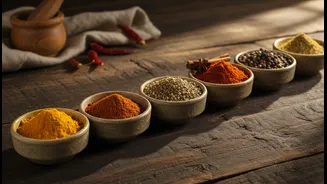
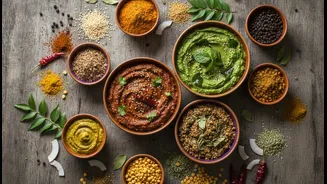
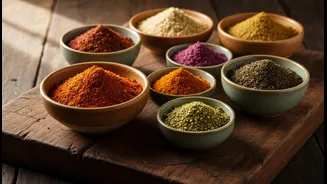
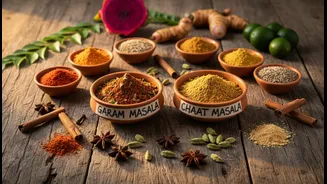
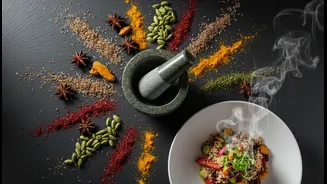
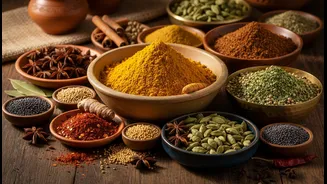
On one side, you have podi, the aromatic and coarse powder from South India, a nostalgic flavour bomb traditionally mixed with ghee or sesame oil and served with idli and dosa. It's an heirloom seasoning, with recipes passed down through generations,
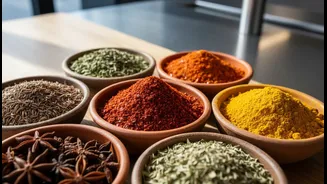
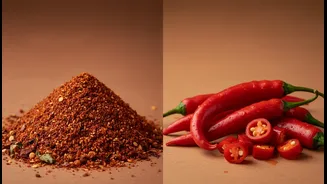
each with its own signature blend of roasted lentils, seeds, and spices. On the other, there's peri-peri, the zesty, fiery spice with African-Portuguese roots, made from the African Bird's Eye chilli. Popularised globally by restaurant chains like Nando's, it brings a tangy heat that has found a massive following among Indian consumers who crave bold, international tastes. Together, they represent two powerful currents in modern Indian cuisine: a return to regional roots and an embrace of global trends.
The Podi Renaissance
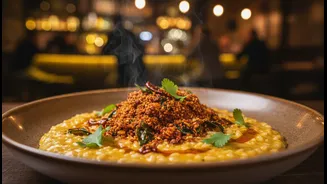
For decades, podi was a household staple in the South, often called 'gunpowder' for its explosive flavour. But its role was largely confined to the breakfast table. Now, it's breaking free. Across urban India, trendy cafes and home kitchens are giving podi a contemporary makeover. We're seeing 'podi fries' replace standard salted versions, popcorn getting a savoury, nutty dusting of podi, and even avocado toast and pasta receiving a sprinkle of this versatile condiment. This revival is driven by a desire for authenticity and wellness. Podis offer complex, layered flavours without the artificial additives of many commercial seasonings, and their base of lentils and spices gives them a 'healthy-ish' halo that appeals to modern consumers.
The Peri-Peri Phenomenon
If podi’s rise is about rediscovery, peri-peri’s is about pure, unadulterated thrill. The Indian palate has always had a high tolerance for spice, but peri-peri offers something different: a citrusy, garlicky heat that is less about searing pain and more about a vibrant, tangy kick. This flavour has exploded across the packaged snacks market. You can find it on everything from potato chips and banana chips to roasted makhana (fox nuts), cashews, and paneer appetizers. Its success lies in its ability to instantly elevate a simple snack, making it feel more exciting and gourmet. For the younger generation, in particular, peri-peri is the flavour of globalised India—adventurous, bold, and highly shareable on social media.
Why Are These Flavours Winning?
The parallel success of podi and peri-peri isn't a coincidence. It speaks to the dual identity of the modern Indian snacker. Today’s consumers, particularly millennials and Gen Z, are curious and experimental. They are travelling more, are exposed to global food trends online, and are eager to try new things. At the same time, there's a growing appreciation for regional Indian culinary traditions that were perhaps overlooked by previous generations. The snacking market, which was once dominated by a handful of classic masala and tomato flavours, is now a playground. Brands are realising that consumers want more than just a quick bite; they want an experience. Both podi and peri-peri deliver this, offering distinct and memorable flavour profiles that turn a simple snack into a conversation starter.
The New Indian Snack Bowl
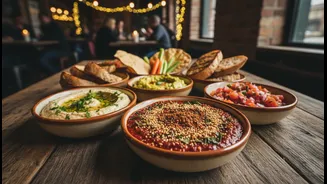
The result of these trends is a more diverse and dynamic snacking landscape than ever before. It's a world where a traditional snack like murukku might share shelf space with peri-peri-flavoured corn nuts, and where a home cook might sprinkle idli podi on their fries instead of reaching for ketchup. This fusion isn't just about mixing flavours; it's about a new mindset. It acknowledges that tradition and modernity can coexist deliciously in the same kitchen. Whether it's the earthy comfort of a lentil-based podi or the fiery zest of a global spice blend, Indian consumers are demanding more from their snacks. They want flavour, authenticity, and a touch of the unexpected.