



Mawlynnong, Meghalaya
Often celebrated as 'Asia's Cleanest Village', Mawlynnong is a testament to community-led eco-tourism. Located in the East Khasi Hills, this village is more than just spotless lanes; it's a lush paradise of bamboo groves, flowering orchids, and living
root bridges. Life moves at a gentle pace here, with the sounds of gurgling streams providing a constant, calming soundtrack. Visitors can climb a bamboo sky-walk for panoramic views of the surrounding forests and the plains of Bangladesh. It’s an ideal spot to experience Khasi hospitality and witness how a community can live in perfect harmony with nature.
Khonoma, Nagaland
Known as India's first green village, Khonoma is a remarkable story of conservation and cultural pride. Home to the Angami tribe, this village, once known for its warrior past, has transformed into a sanctuary where hunting is banned. The result is a thriving ecosystem rich with diverse flora and fauna, including the endangered Blyth's tragopan. The landscape is a stunning canvas of terraced paddy fields carved into the hillsides, supported by a sophisticated irrigation system. Visiting Khonoma offers a deep dive into sustainable living, Angami traditions, and the profound quiet of the Naga Hills.
Munsiyari, Uttarakhand
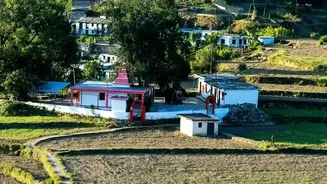
Dubbed 'The Little Kashmir', Munsiyari is a tranquil town in the Kumaon Himalayas that serves as a gateway to high-altitude treks. However, you don’t need to be a mountaineer to soak in its beauty. The town offers jaw-dropping, direct views of the five snow-capped Panchachuli peaks. Surrounded by dense forests of pine and rhododendron, it’s a haven for birdwatchers and anyone looking to escape the commercial bustle of more popular hill stations. The pace of life is slow, with quiet walks, stunning sunrises, and the crisp mountain air defining the experience.
Kalpa, Himachal Pradesh
Perched high in the Kinnaur district, Kalpa is a serene village that offers one of the most majestic views in the Himalayas: the sacred Kinnaur Kailash range. The village is a beautiful blend of Hindu and Buddhist cultures, dotted with ancient temples and monasteries. Unlike crowded destinations, Kalpa’s charm lies in its stillness. Days are best spent walking through fragrant apple orchards, exploring the traditional timber-and-stone architecture, and watching the sunrise paint the snow peaks in hues of gold and pink.
Turtuk, Ladakh
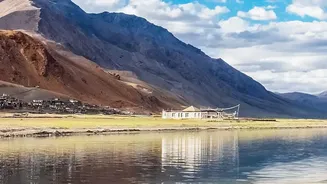
Until 2010, Turtuk was off-limits to tourists, making it one of the most untouched destinations in Ladakh. This village in the Nubra Valley, which became part of India in 1971, offers a unique cultural experience. It is home to the Balti people, and its culture, language, and cuisine are distinct from the rest of Ladakh. Instead of barren landscapes, Turtuk is a lush oasis of apricot orchards and barley fields, nestled by the Shyok River. Its lower altitude makes it a comfortable and peaceful retreat. A walk through its narrow lanes reveals stone houses, friendly faces, and a sense of stepping into a different world.
Majuli, Assam
The world's largest river island, Majuli, floats in the mighty Brahmaputra and offers a unique blend of nature and culture. Accessible only by ferry, life on the island is dictated by the river's rhythm. It is a centre of Neo-Vaishnavite culture, with dozens of 'satras' (monasteries) preserving centuries-old traditions of music, dance, and mask-making. For nature lovers, Majuli is a paradise for birdwatching, especially during the winter months. The serene landscape of wetlands, rice paddies, and small villages makes it perfect for cycling and slow travel.
Mararikulam, Kerala
If you're looking for a quiet beach experience in Kerala, away from the more crowded tourist spots, Mararikulam is the answer. This sleepy fishing village near Alappuzha boasts a pristine, sandy beach lined with coconut groves. Rated one of the top hammock beaches by National Geographic, it’s a place for ultimate relaxation. The vibe here is laid-back and authentic; you can watch local fishermen bring in their daily catch or simply enjoy the sound of the waves. It offers the beauty of the Keralan coast without the commercial clamour.
Ziro Valley, Arunachal Pradesh
A UNESCO World Heritage tentative site, Ziro Valley is a lush plateau inhabited by the Apatani tribe, known for their unique sustainable agricultural practices. The landscape is a soothing panorama of paddy fields, pine-clad hills, and quaint villages. Ziro offers a peaceful atmosphere where you can learn about the Apatani culture, walk through serene pine groves, and witness a harmonious way of life. While the Ziro Festival of Music brings in crowds once a year, the valley remains an untouched sanctuary for the rest of the year.