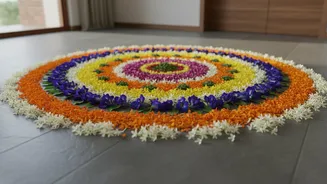







Know Your Festival Dates and Start Early
Onam celebrations span ten days, culminating in the main day, Thiruvonam, on August 26, 2026. The key to a stress-free festival is to start planning your finances well in advance, ideally a month or two before the festivities begin on August 16. Last-minute
shopping often leads to impulse buys and overspending. An early start gives you time to research, compare prices, and spread out your purchases, avoiding a financial crunch in August.
Create a Dedicated Onam Budget
The first step in financial planning is creating a realistic budget. List all your expected Onam-related expenses. The major costs typically include Onakkodi (new clothes for family), groceries for the Onam Sadhya, flowers for the Pookalam, gifts for loved ones, and travel expenses if you're heading home. Assign a specific amount to each category. This isn't about restricting joy but about gaining control. Knowing where your money is going is the best way to prevent overspending.
Use Digital Tools to Track Spending
For young, tech-savvy Indians, managing a budget is easier than ever with various mobile apps. Consider using an expense tracker app to monitor your Onam spending in real-time. Apps popular in India can help you categorise your expenses automatically by reading transaction messages, set budget limits for categories like 'shopping' or 'food', and see a clear overview of where your money is going. Some apps even follow the 'envelope' budgeting method, where you allocate funds to virtual envelopes for each expense. This prevents the small, frequent purchases—like daily flowers for the Pookalam—from adding up unnoticed.
Shop Smartly for Onakkodi and Gifts
Onakkodi, the tradition of gifting new clothes, is a significant expense. To save money, look out for pre-festival sales online and in stores. Instead of heading to expensive malls, explore local handloom centres like those in Balaramapuram or Chendamangalam for authentic Kasavu sarees and mundus at better prices. When it comes to gifts, consider thoughtful, handmade items or your time and skills. Also, have an open conversation with friends and family about setting spending limits to reduce mutual financial pressure.
Plan the Onam Sadhya Collaboratively
The grand Onam Sadhya feast can be a major expense, especially if you're hosting. A great way to manage this is to organise a potluck-style celebration. This allows everyone to contribute a dish, reducing the financial and cooking burden on a single host. If you decide to cook everything yourself, buy vegetables and groceries in bulk a few days in advance when prices may be lower. Planning your menu around the six or seven essential dishes like rice, sambar, avial, and payasam can also create a complete-feeling feast without the cost of making all 26 traditional items.
Book Your Travel in Advance
For many young Indians working away from home, travel fares can be the single biggest Onam expense. Fares for trains, buses, and flights to Kerala skyrocket during the festival week. Book your tickets as soon as your travel dates are confirmed, often weeks or even months in advance. Travelling a few days before the peak Thiruvonam rush can also result in significant savings. Being proactive with travel plans ensures more of your budget is left for the celebrations themselves.