






The Superfood Trap
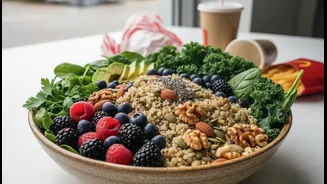
The term 'superfood' is a marketing invention, not a scientific one. It’s a label used to elevate certain foods, like kale, chia seeds, or blueberries, making them seem like nutritional heroes. While these foods are certainly healthy, the problem arises
when we fixate on them. No single food, no matter how nutrient-dense, can provide everything our body needs or compensate for an unbalanced diet. This focus on one ingredient can lead to nutritional anxiety and the false belief that optimal health requires expensive, exotic items instead of accessible, everyday whole foods. True health is built on the foundation of your entire dietary pattern, not the inclusion of one trendy ingredient.
Your Gut Wants a Buffet, Not a Snack
Your digestive system is home to trillions of microorganisms known as the gut microbiome. This internal ecosystem plays a massive role in your overall health, influencing everything from digestion and immunity to mood. A healthy, resilient microbiome is a diverse one. Different bacteria thrive on different types of food. When you eat a wide variety of plant-based foods, you feed a wider range of these beneficial microbes. Conversely, a narrow diet limits the diversity in your gut, which has been linked to a higher risk of various chronic conditions. Think of it this way: you’re not just eating for yourself; you’re feeding an entire community that works to keep you healthy. That community thrives on a varied menu.
Not All Fibre Is Created Equal
Fibre is a crucial carbohydrate that our body can't digest, and it's the primary food source for our gut bacteria. But just as you need a variety of foods, you also need a variety of fibres. The two main categories are soluble and insoluble fibre, and they perform different jobs. Soluble fibre, found in oats, beans, apples, and carrots, dissolves in water to form a gel. This helps slow digestion, manage blood sugar levels, and lower cholesterol. Insoluble fibre, found in whole grains, nuts, and leafy greens like kale, doesn’t dissolve. Instead, it adds bulk to stool, promoting regularity and preventing constipation. By eating a wide range of fruits, vegetables, legumes, and whole grains, you ensure you’re getting both types, supporting all aspects of digestive health.
How to Build a Varied Plate
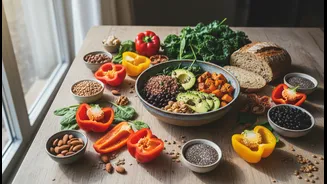
Increasing dietary variety doesn't have to be complicated. Start with small, manageable changes. One of the easiest strategies is to “eat the rainbow.” The different colours in fruits and vegetables come from unique compounds that offer distinct health benefits. Try to add one new vegetable or fruit to your shopping basket each week. Instead of just white rice, experiment with brown rice, quinoa, barley, or millet. Add mixed nuts and seeds to your breakfast cereal or salads. Explore different legumes like lentils, chickpeas, and various beans in soups and side dishes. By focusing on adding more types of whole foods to your meals, you’ll naturally build a more resilient gut and a healthier body without getting caught up in the next superfood fad.