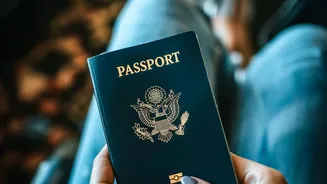







The Pre-Travel Essential: Your Passport
Before you even think about destinations, check your passport. Most countries require your passport to be valid for at least six months after your intended date of departure from their country. It should also have at least two to three blank pages for visa
stamps and entry/exit chops. If your passport is nearing expiry or is full, renew it immediately. This is the non-negotiable first step, as you cannot apply for a visa or book international flights without a valid passport number.
Demystifying the Visa Maze
A visa is official permission from a foreign country to enter its territory. For Indian passport holders, visa requirements fall into three main categories: visa-free (no visa needed for a specific duration), visa-on-arrival (you get a visa at the airport when you land), and pre-approved visa (you must apply for and receive the visa before you travel). Always check the official embassy or consulate website for your destination to understand which category applies to you. For popular destinations like the Schengen Area (covering 29 European countries), the UK, or the USA, you will need to apply for a visa in advance. This process is often managed by agencies like VFS Global, which handle application submission and biometric data collection (fingerprints and photos). You'll typically need to provide a completed application form, passport photos, bank statements to prove you can fund your trip, a detailed travel itinerary with flight and hotel bookings, and sometimes a letter from your employer.
Travel Insurance: Your Financial Safety Net
Travel insurance is not just about covering lost baggage; it's a crucial safeguard against major financial losses. The most critical component is emergency medical coverage. Your domestic health insurance policy will likely not cover you overseas, and a medical emergency abroad can be incredibly expensive. Many comprehensive travel insurance plans cover trip cancellation or interruption, reimbursing you for non-refundable costs if you have to cancel due to sickness, a family emergency, or other covered reasons. They also cover major travel hassles like significant flight delays and lost or stolen luggage. Importantly, many countries, including all Schengen nations, make travel insurance a mandatory requirement for a visa, with specific minimum coverage amounts (for Schengen, it's a minimum of €30,000).
The Art of Smart Bookings
Once you have a rough itinerary, it's time to book flights and accommodation. While it feels like a big commitment, booking these is often necessary to prove your travel plans for a visa application. For flights, use aggregator websites like Google Flights or Skyscanner to compare prices, but consider booking directly with the airline. If something goes wrong, it’s often easier to resolve issues directly with the carrier. Booking flights three to six months in advance is often a good window for better prices. For accommodation, decide between hotels, hostels, or vacation rentals based on your budget and travel style. Websites like Booking.com are useful for comparing options. A key tip for first-timers: make refundable hotel bookings. This allows you to secure the accommodation needed for your visa application without financial risk if your plans change or the visa is delayed.
Putting It All Together: The Right Order
The planning process has a logical sequence. First, finalize your destination and rough dates. Second, book refundable hotels and hold flights to create your itinerary. Third, gather all your documents and apply for your visa as early as possible—some countries allow applications up to six months in advance. Once your visa is approved, purchase a comprehensive travel insurance policy that meets your destination's requirements. Finally, confirm your flights and any other non-refundable bookings. Following this order minimizes stress and financial risk, ensuring you have everything you need for a fantastic first trip abroad.